
What makes you write? Part 2
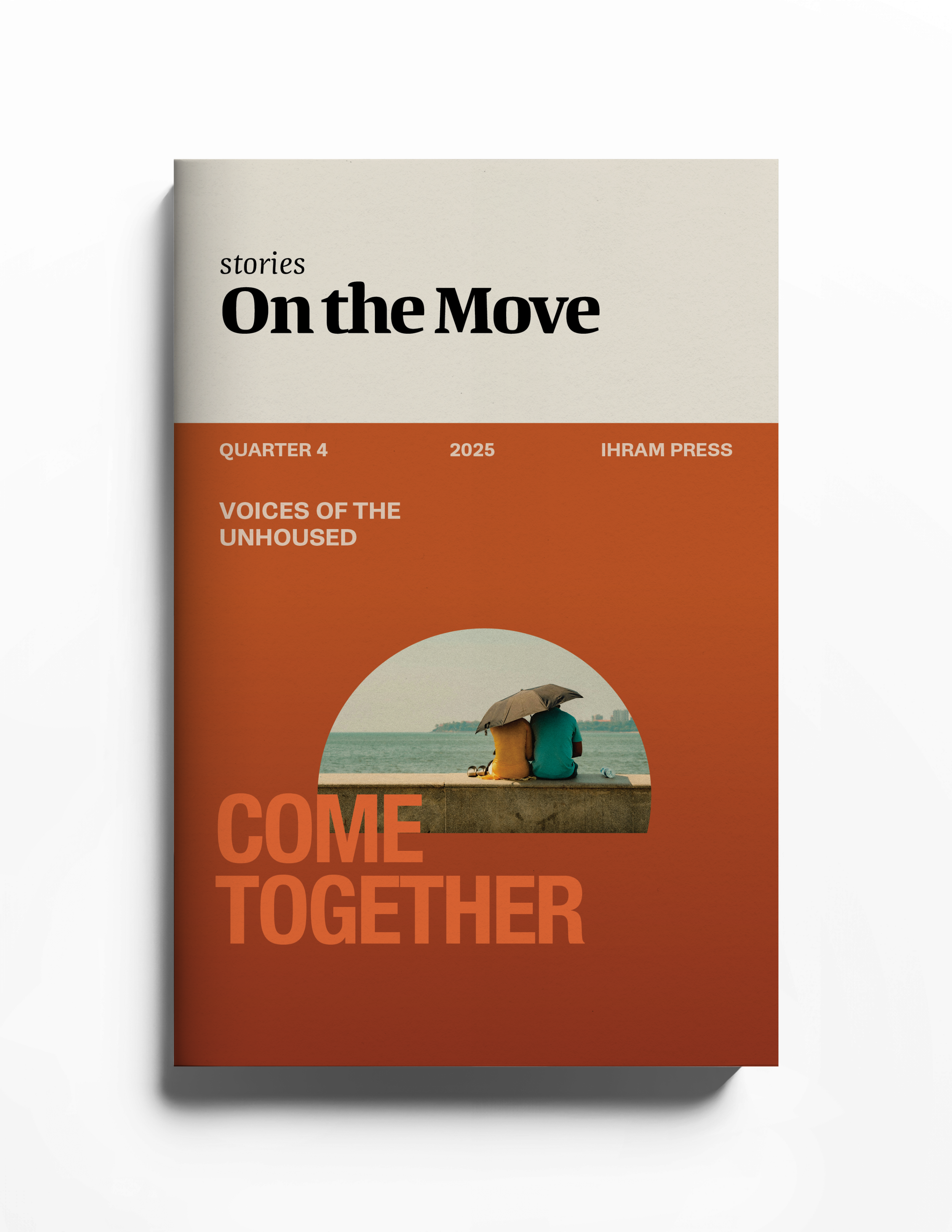
What makes them write? The writers part of our latest magazine issue, STORIES ON THE MOVE, have responded. Inside the Writing Process is an on-going series dedicated to revealing what inspires/influences their writing and beliefs because the IHRAM Literary Magazine is about diversity, community, and representation. Meet Annastatia, Matthew, Annemarie, and the other writers: for them, writing is about conversation and resistance; stories that refuse to stay silent.
Annastatia Brooks, “Home for the Stars”
What compels you to pick up a pen or open your laptop to free-write? And what inspires/influences your writing, particularly when it comes to addressing human rights issues?
For me, writing is the same as staring down a dragon while dressed in armour, with nothing but a sword and shield. It is powerful. Whenever I am angry or saddened by the state of the world, my instinct is to write. I am especially influenced by what I consume and am surrounded by every day, whether it be the news, personal experiences shared on social media, or local issues in my city. I know that my pen is a weapon, and it is crucial for poets to bring light to the atrocities of the world, address them, and offer up hope for a better future.
In comparison, how does your intersectionality influence your view of the world (your personal beliefs, gender expression, religious affiliations, etc.)?
For a lot of people, Christianity as a religion has become exactly what Jesus spoke out against. People feel judged by Christians, and they feel unsafe in their presence, and that is such a sad thing. Christianity as a faith is so beautiful! The only thing I strive to do is be like Jesus, and He was not a hateful person; He was full of a love that surpasses human understanding. He ate with the lowly, He humbled himself to wash the dirt off people’s feet, He fed the hungry, He befriended ordinary people, and He loves everyone. He taught us to value community and give of what we have. We are not here to hate, but to love, over and over again. For me, this means caring for every single person I come across, donating to organizations and charities when I can, giving freely of what little I have, looking out for my community, and fighting alongside people facing oppression. I am not perfect, and I know I never will be, but I will always try to be like Jesus: a gentle, kind man who was not blinded by wealth or power, a man who flipped over the tables of the corrupt and loved without condition, and I aspire for my poetry to be reflective of that love.
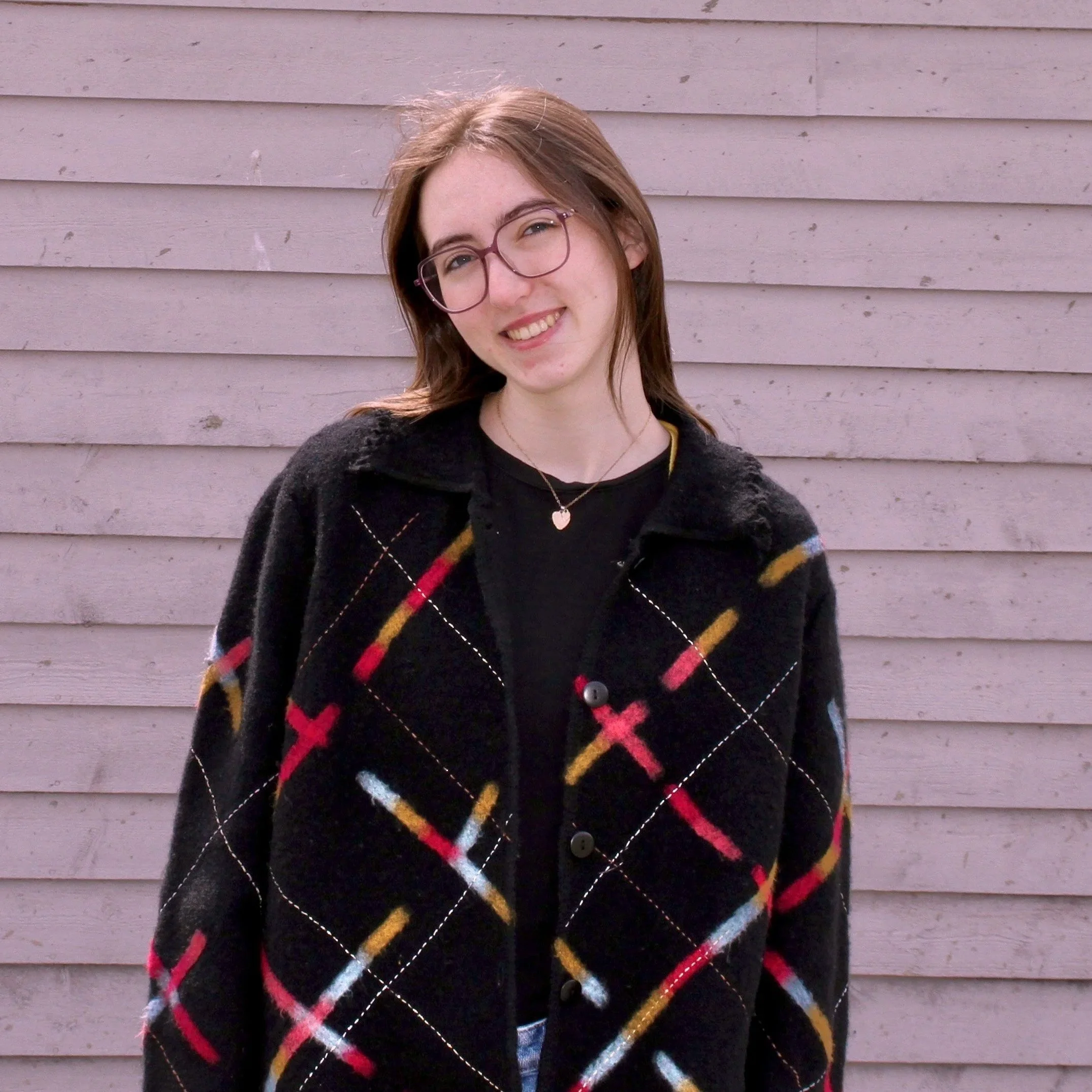
Head over to our first blog post to learn more about Annastatia.
Matthew Schembri, “a roof”
What compels you to pick up a pen or open your laptop to free-write? And what inspires/influences your writing, particularly when it comes to addressing human rights issues?
I must write.
I am particularly compelled to write about human rights issues when I see that something is not right, especially when it is personal to me or someone close to me.
In comparison, how does your intersectionality influence your view of the world (your personal beliefs, gender expression, religious affiliations, etc.)?
My beliefs, gender, and other aspects of my identity profoundly shape how I see the world because they make me who I am. I hope they help me be more empathetic toward others, regardless of who they are.
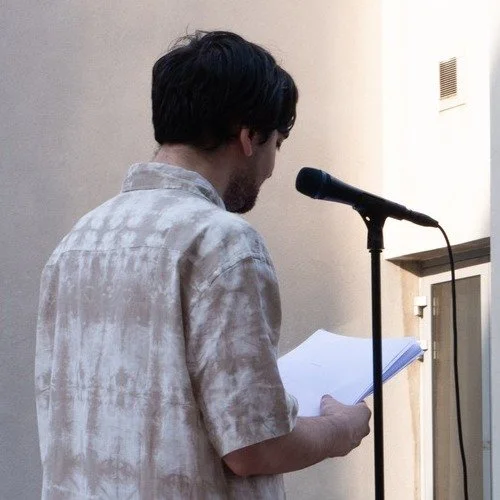
Head over to our first blog post to learn more about Matthew.
Annemarie Marek, "Boy Scout" and "Stereotypes"
What compels you to pick up a pen or open your laptop to free-write? And what inspires/influences your writing, particularly when it comes to addressing human rights issues?
Perceiving an injustice is the first step. Then advocating for change is the next, but this requires a deeper understanding of both the context and the facts. I've always favored the written word as my method of "protest," whether to legislators or business leaders. Sometimes that advocacy is in the form of letters or emails. At other times, it's essays and poems. The medium becomes the framework for presenting actionable ways to change and a platform for offering out-of-the-box solutions.
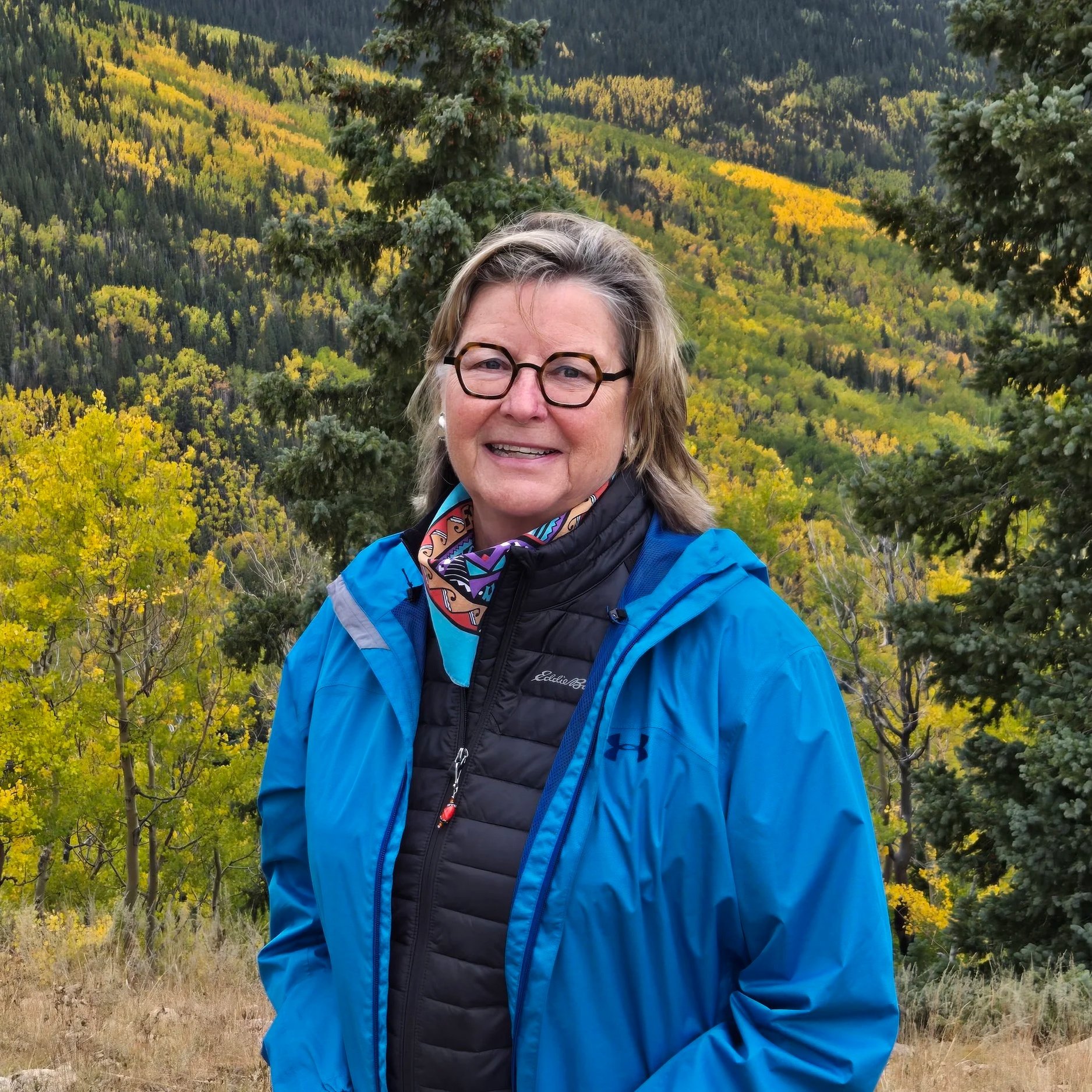
Head over to our first blog post to learn more about Annemarie.
Raven Schmale, “The Year of Twelve”
What compels you to pick up a pen or open your laptop to free-write? And what inspires/influences your writing, particularly when it comes to addressing human rights issues?
The inspiration for me was telling young people that things will get better. Time will heal the wounds
In comparison, how does your intersectionality influence your view of the world (your personal beliefs, gender expression, religious affiliations, etc.)?
I cannot forget the feelings of having felt unseen for most of my young life. I have empathy for children who feel that way
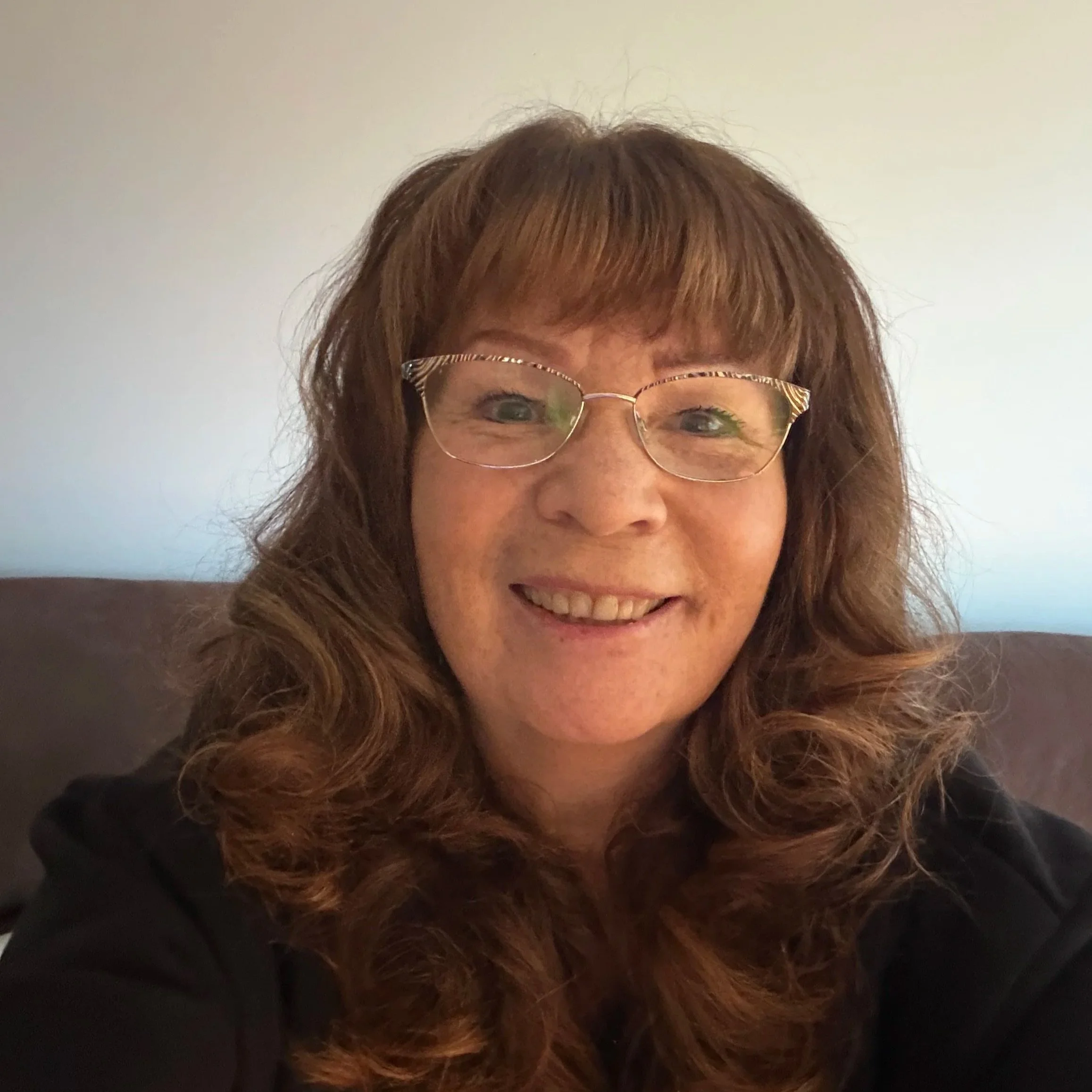
Head over to our first blog post to learn more about Raven.
Lao Rubert, “Just a Clean House”
What compels you to pick up a pen or open your laptop to free-write? And what inspires/influences your writing, particularly when it comes to addressing human rights issues?
I've spent a career working to reform the criminal legal system. That work has put me in touch with systemic injustices as well as the daily heroism of those caught up in the system and those working to change it. Art provides a way to express the emotions of those experiences.
In comparison, how does your intersectionality influence your view of the world (your personal beliefs, gender expression, religious affiliations, etc.)?
Although governments exercise the majority of their harshest institutional powers - in the form of incarceration and the death penalty - against men, the incarceration of women, is just as punitive. My home state, North Carolina, executed a woman in the middle of a high visibility Senate race. Perhaps being a woman makes me more aware of the ways in which the daily violence many women experience in their homes is part of larger pattern of state and interpersonal violence that should be a human rights concern for all of us.
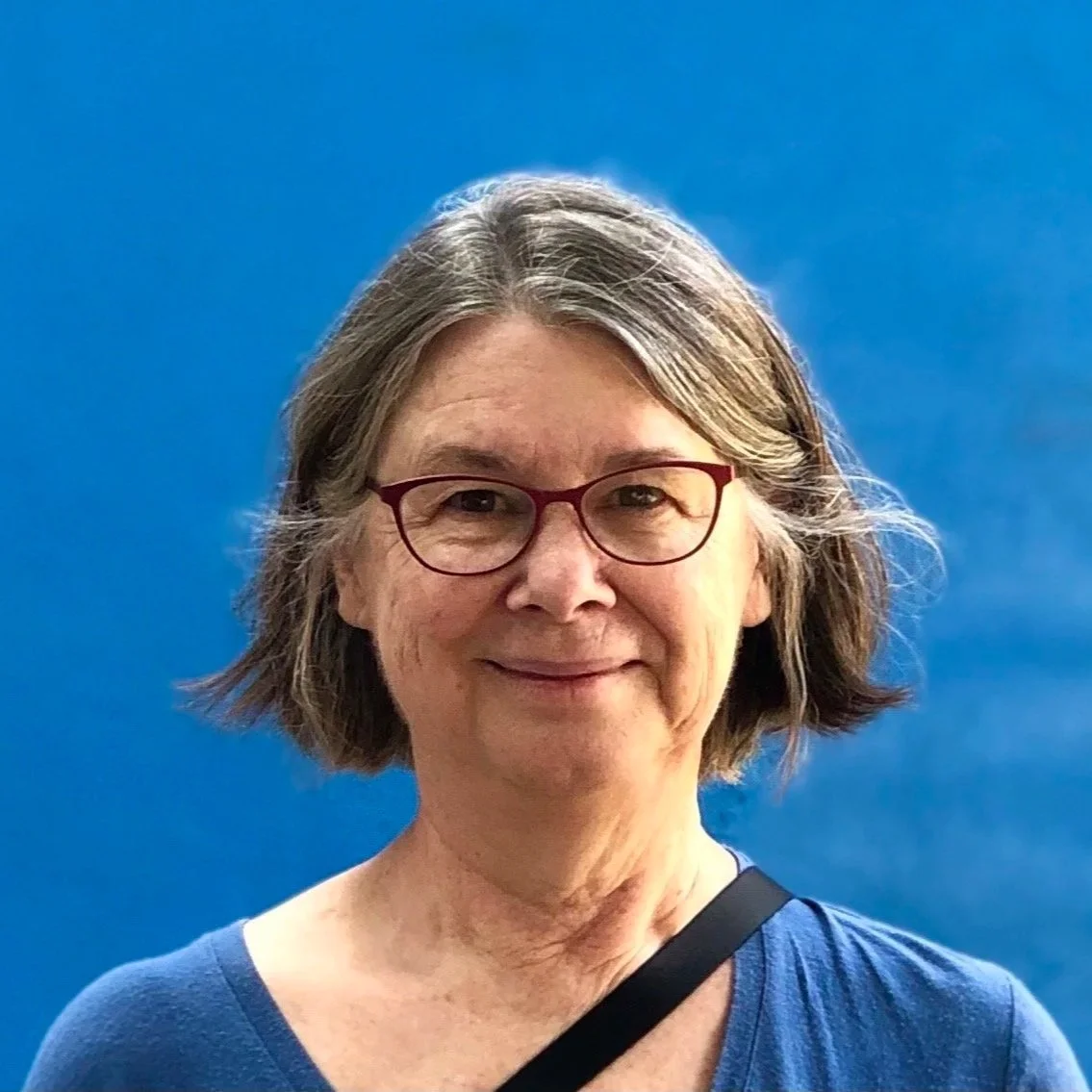
Head over to our first blog post to learn more about Lao.
Avis Blackbird, Canada, “Warmth in the Cold”
What compels you to pick up a pen or open your laptop to free-write? And what inspires/influences your writing, particularly when it comes to addressing human rights issues?
Phrases and ideas cycle in my head until I put them to paper. I am most influenced when I am alone with my thoughts while outside. When it comes to human rights, I often feel helpless. Writing allows me to feel hopeful for our global community.
In comparison, how does your intersectionality influence your view of the world (your personal beliefs, gender expression, religious affiliations, etc.)?
Although I identify as BIPOC, I recognize that I was raised with privilege and continue to live a life of privilege. I am committed to use my access to make change and question systems.
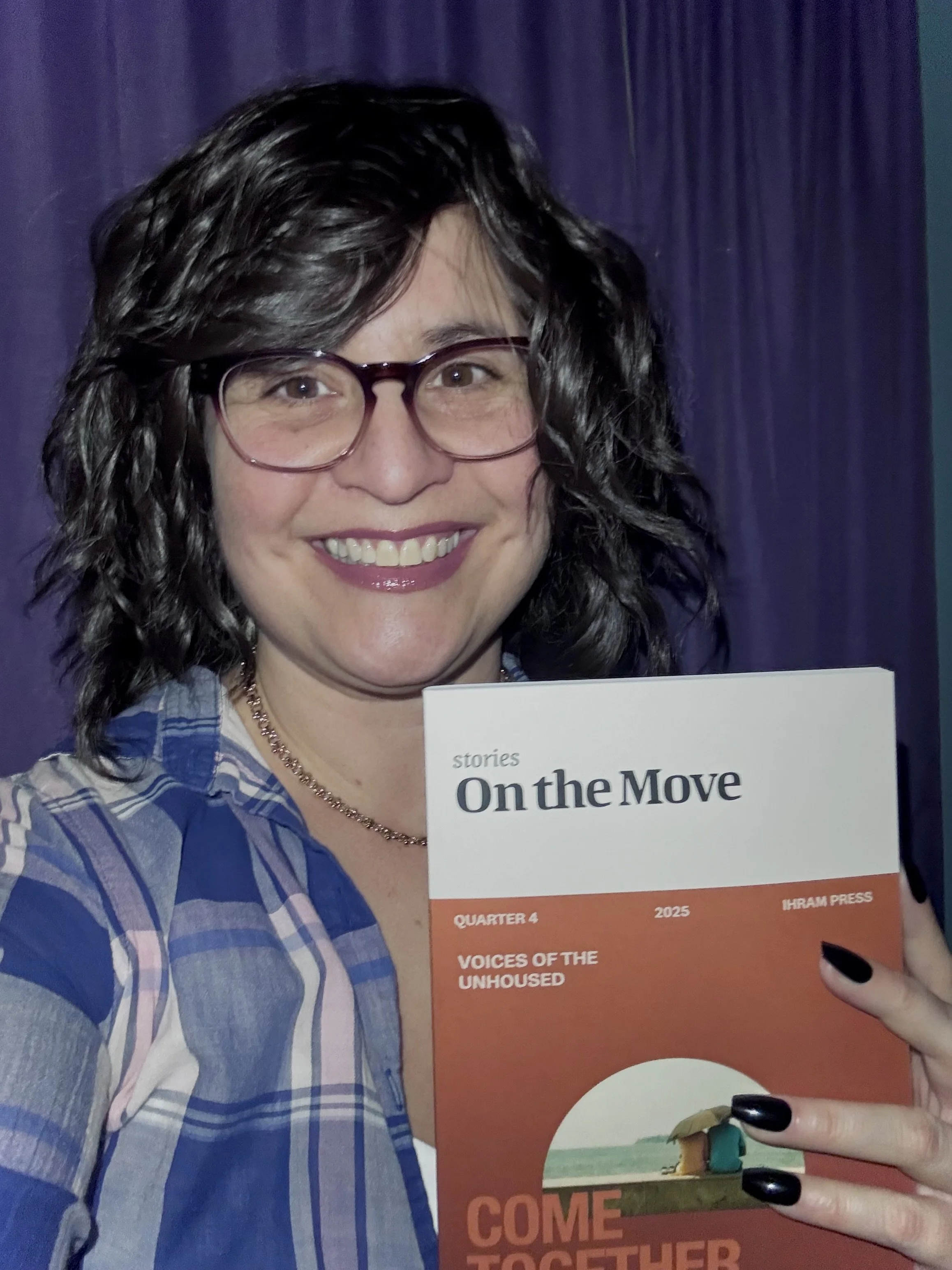
ABOUT AVIS
Avis Blackbird is an author, poet, visual artist, and photographer. She is a member of the Indigenous Arts Collective of Canada and the Federation of BC Writers, holds bachelor and masters degrees from UBC, and recently completed her graduate work for counselling. Avis has had multiple publications, including Roots and Ruins Anthology (Arcana Poetry Press), Heart, Hope, and Land: Indigenous Voices (International Human Rights art Movement Press), and a feature in Muskrat Magazine: Enigma. Her full-length book of poetry will be released in 2026 through Brick Books Publishing.
LEARN MORE ABOUT AVIS
And her piece in STORIES ON THE MOVE IHRAM Literary Magazine (2025).
AVIS HAS ALSO PUBLISHED
“Crow Clan Sister” in Roots and Ruin: Poetry Anthology (Arcana Poetry Press, 2025); “Unbelonging” in Solastagia, Volume 3: Hopeful Futures (2025); and “Hoop Dancer and Birds Flutter” in Muskrat Magazine: Enigma (2025), amongst other works.
Stay tuned on Instagram
Discover new stories from up-and-coming writers.
Join our movement in supporting underrepresented voices.