
Solidarity—Meet the Authors (Part 2)
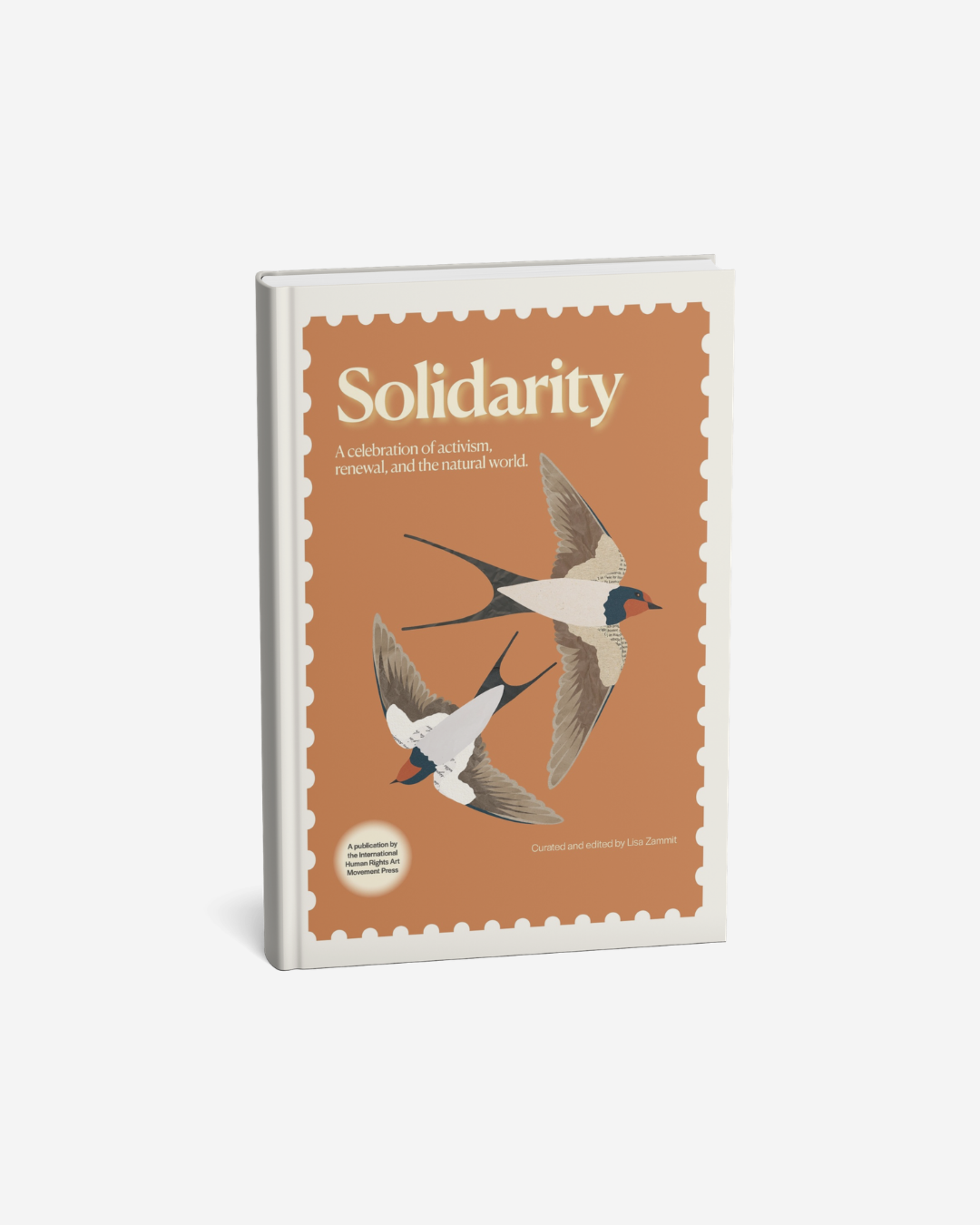
What makes them write? The writers of our upcoming title “Solidarity,” have responded. Inside the Writing Process is an on-going series dedicated to revealing what inspires and influences our contributors’ writing and beliefs because IHRAM Press is dedicated to diversity, community, and representation.
Lara-Lane, Jalal, and more of our inspired writers: for them, writing is about vulnerability, equity, and resistance; stories that refuse to stay silent.
Lara-Lane Plambeck, Germany, "Someone Else's Shrine"
Lara-Lane is a writer from northern Germany. Climate activism and social justice have been longstanding areas of interest throughout her work. Having contributed to the Peatlands and Grief workshop series in collaboration with RE-PEAT, her work weaves the concept of grief with the peatlands, highlighting her dismay with Germany’s contribution to the genocide in Gaza. “Someone Else’s Shrine” continues with this theme, holding remembrance for the suffering that occurred on home soil and a wish for humanity, as a whole, to learn from its mistakes. Her hope is to try to bring new light into dark topics by aspiring to understand them from a more-than-human perspective.
What compels you to pick up a pen or open your laptop to free-write? And what inspires/influences your writing, particularly when it comes to addressing human rights issues? I do free writing as part of daily practices. I begin with going into my body and engaging in somatic meditation. When I reach a state of connection and alignment, I start journaling or writing.
I also free-write whenever I feel very strongly. This began in 2003, when I had only just learned how to write. My dad took me out to the fields outside our village to see the red, glowing fireball of Mars in the night sky when it was closer to earth than usual. I couldn't contain my emotion and wonder. Since then, I haven't functioned without writing as a way to move through my thoughts and digest my experiences.
I also use writing to pray and express gratitude for life, of which I feel a lot. I love life and, sometimes, I feel so much love and gratitude that the only way to be with it all is by letting it flow out onto paper.
Finally, I free-write to make sense of and rewrite experiences or narratives toward more empowering perspectives and as a way to reclaim my agency.
How does your intersectionality influence your view of the world (your personal beliefs, gender expression, religious affiliations, etc.)?Coming from a rural, working-class family in northern Germany and simultaneously being engaged in many artistic, academic, and activist communities, I see myself as a mediator between the worlds. This also influences my work a lot. I can relate to people from the countryside, to the worries of the working class, and simultaneously have the education and critical skills to see beyond many of the limiting narratives that keep people fighting against each other rather than the systems of oppression.
Similarly, my own identification with the rural working culture has never let me settle in the leftist, alternative bubbles fully, giving me the ability to maintain a critical distance and move and navigate between the worlds. This can be an uncomfortable place to be in, but it is also a place of potential, maybe even of authenticity, because it helps to not over-identify with any one group of belonging as, I believe, this can limit the ability to critically reflect.
Jalal Hazrat Khan, The Netherlands, “The Paradox of Life”
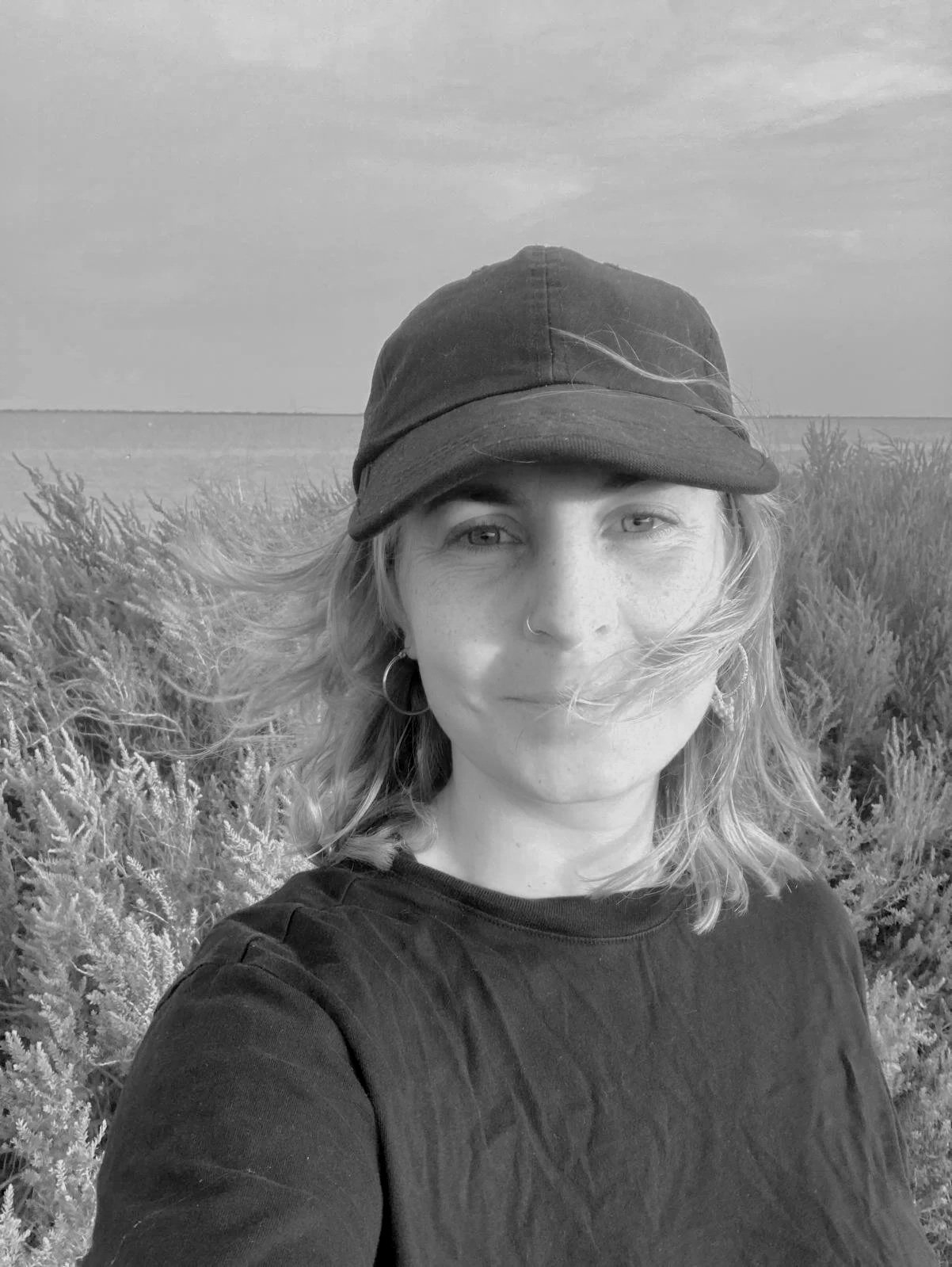
Jalal was born and raised in Saudi Arabia, moved to Afghanistan as an adult, and now resides in the Netherlands. This exposure to a variety of cultures, history, and conflicts has shaped his life and writing, inspiring him to explore themes of existence, ethics, displacement, and the human experience. He believes that even in hardship, injustice, and suffering, people continue to care, endure, and create meaning. Through this resilience, hope emerges naturally in the continued search for dignity and understanding. “The Paradox of Life” will be his first official published piece, but additional poems and reflections by Jalal can be found at: https://medium.com/@jalalhazratkhan1987
What compels you to pick up a pen or open your laptop to free-write? And what inspires/influences your writing, particularly when it comes to addressing human rights issues?Interestingly, I rarely write on a computer. Most of my writing happens on my phone, often late at night when a thought or reflection becomes too clear to ignore. For me, writing is not always planned; it begins as a quiet observation about life, people, or existence itself. My inspiration often comes from lived experience: displacement, memory, human dignity, and the simple act of continuing forward despite uncertainty. Human rights themes naturally appear in my writing because they are connected to real human lives and stories. I try to write honestly about these experiences rather than turning them into slogans or arguments.
How does your intersectionality influence your view of the world (your personal beliefs, gender expression, religious affiliations, etc.)?My perspective is shaped by a combination of cultural background, personal reflection, and philosophical curiosity. Growing up in one cultural and religious environment and later living in another has encouraged me to think deeply about identity, belief, and human values. Rather than defining myself strictly through labels, I try to approach the world through curiosity and reflection. Writing allows me to explore how different experiences, cultural, personal, and philosophical, intersect and shape how we understand ourselves and others.
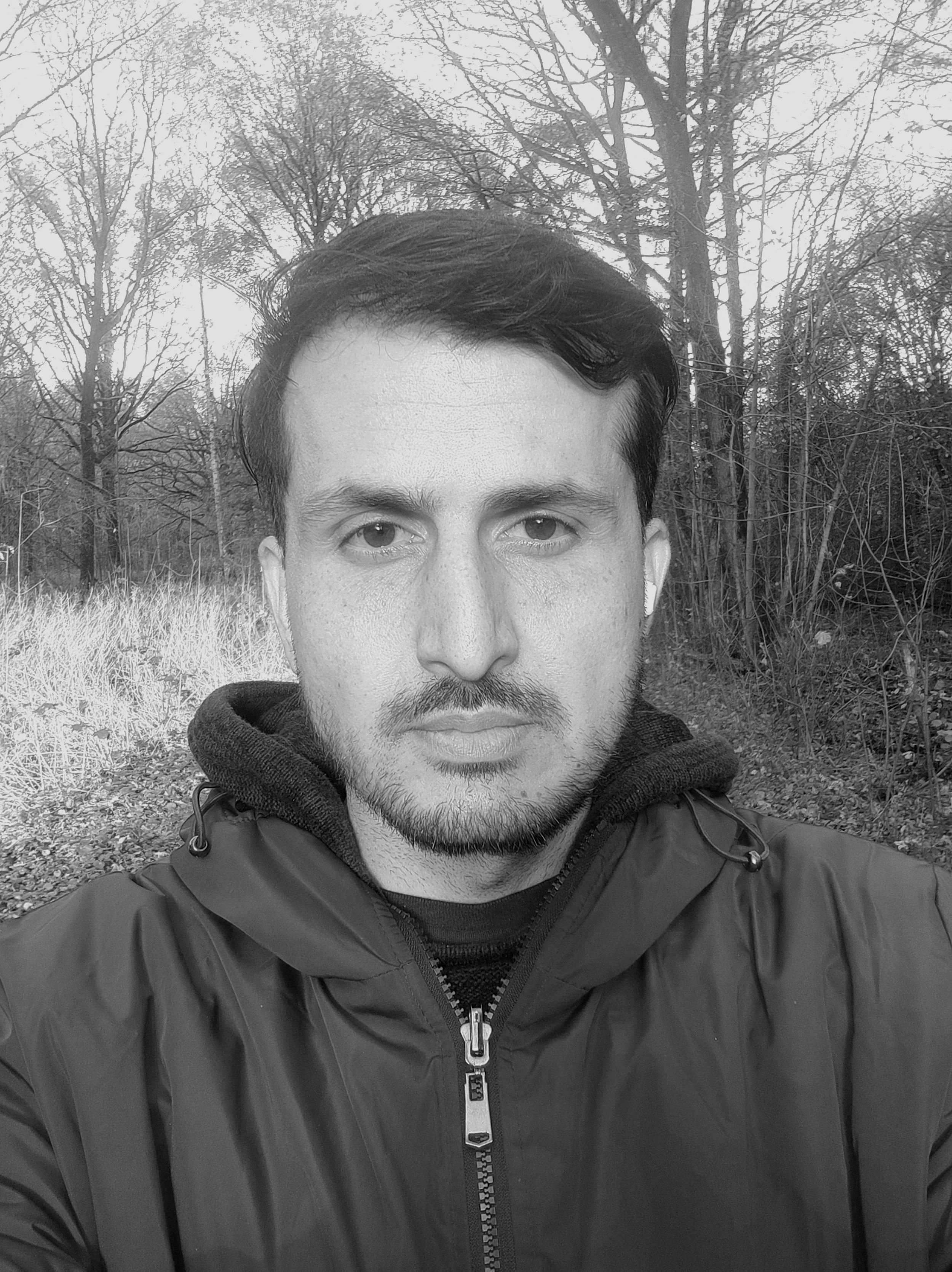
Jozsef Cariste, Philippines, "Petition for a Flood That Cleanses, Not Drowns”
Jozsef is a writer from Cebu, Philippines. Growing up in a rural community shaped by strong religious beliefs and close family ties, he developed an early awareness of how identity, social expectations, and human rights are influenced by the values passed down through families and communities. These experiences continue to shape his writing, exploring themes of queerness, identity, activism, and belonging. He believes literature has the power to make invisible experiences visible, transforming personal struggles into stories that encourage reflection, empathy, and meaningful conversation.
What compels you to pick up a pen or open your laptop to free-write? And what inspires/influences your writing, particularly when it comes to addressing human rights issues?I write because stories have the power to affirm existence. Seeing writers whose experiences mirror mine gave me courage, and I hope that, through my work, a queer reader might feel seen, empowered, and reminded that living their truth is valid. Writing becomes my way of contributing to a world where human rights—and the dignity of every person—are recognized and respected.
How does your intersectionality influence your view of the world (your personal beliefs, gender expression, religious affiliations, etc.)?My intersectionality—my personal beliefs and gender expression—has shaped how I view the world. Growing up, I saw how experiences and expectations were passed down, which sparked the curious child in me to seek the truth and stand firmly for who I am. It has taught me to recognize privilege and oppression, question inherited beliefs, and empathize with experiences different from my own. My gender expression and personal beliefs, intersecting with my cultural and familial background, have shown me that identity is both personal and shaped by society.
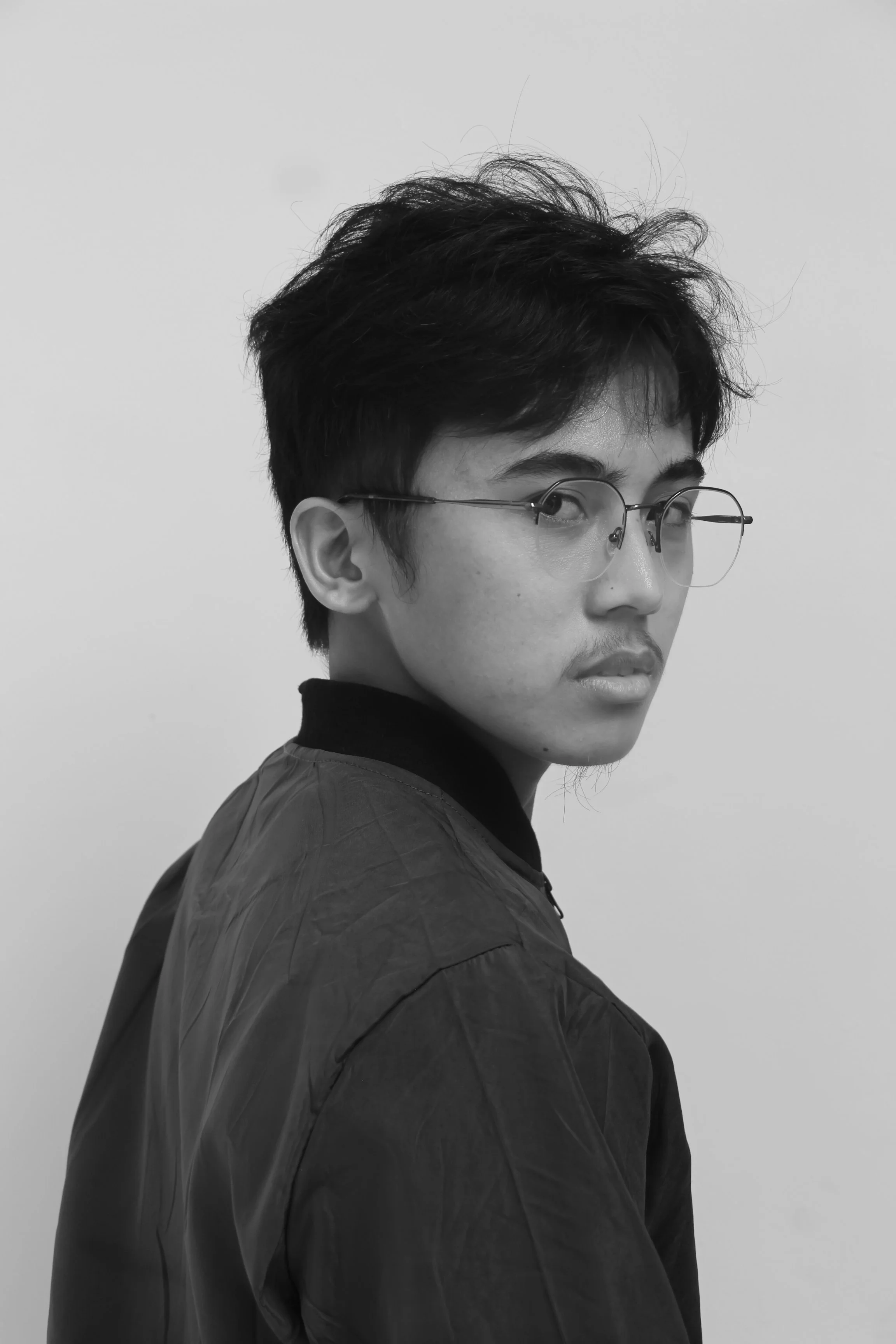
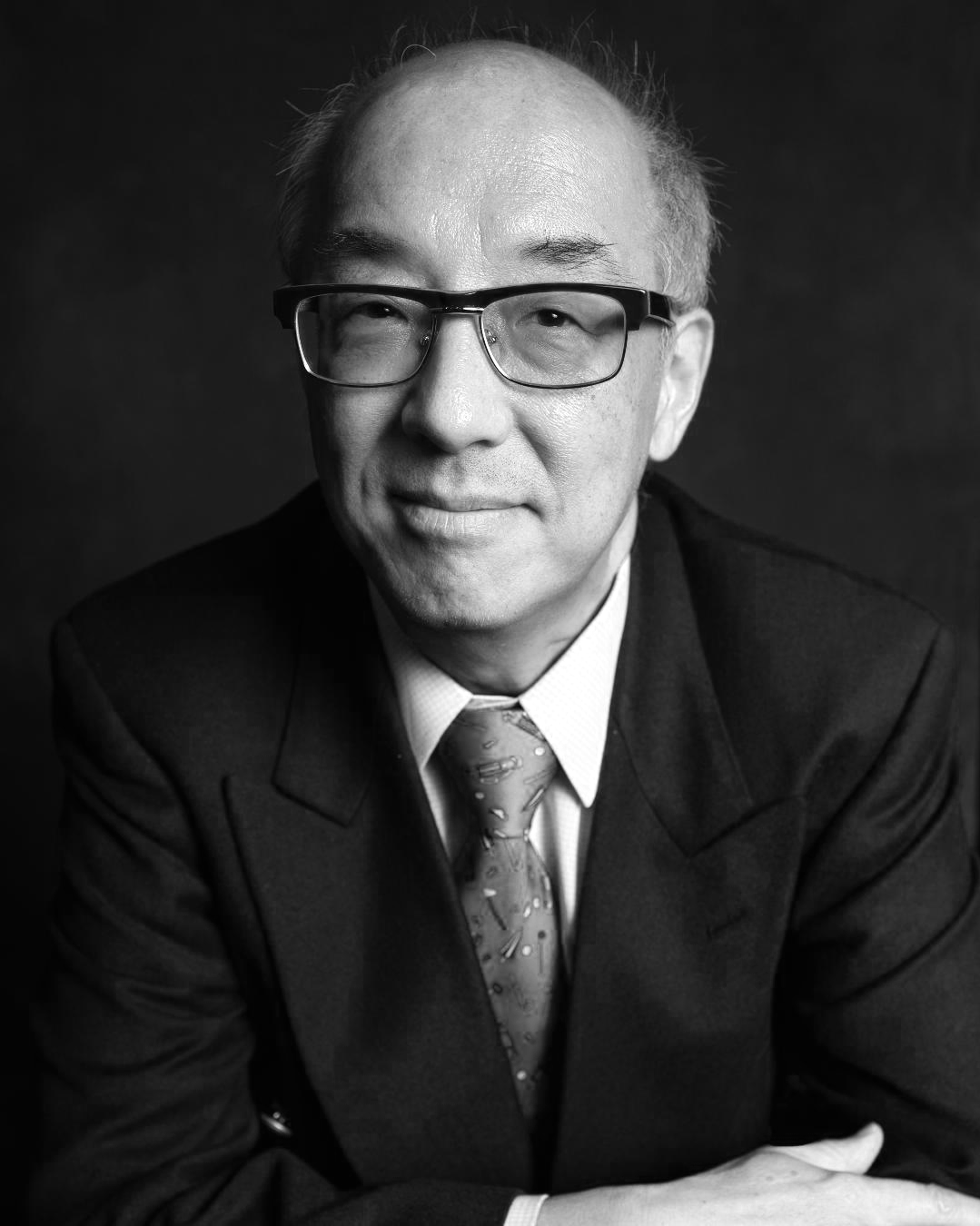
David A. Lee, United States, “Algorithm in the Room” & “Her Body Was an Anthem”
David Anson Lee is a physician, philosopher, and poet based in Houston, Texas. His work has appeared in numerous literary journals and magazines, exploring themes of human dignity, social justice, displacement, and the ethical tensions between technology, medicine, and modern life. His upcoming poems with IHRAM Press explore contemporary forms of activism: one confronting the quiet authority of technological systems, and the other honoring feminist resistance and bodily autonomy. For David, poetry does not come from denying difficulty, it comes from recognizing the resilience that persists within it. Human rights struggles often involve pain, injustice, and conflict, but they also reveal courage: people who stand up, speak out, or protect one another despite real risks.
What compels you to pick up a pen or open your laptop to free-write? And what inspires/influences your writing, particularly when it comes to addressing human rights issues?Curiosity and conscience.
As a physician and student of philosophy, I’ve spent many years listening to stories: patients describing illnesses, families describing loss, and communities describing the forces shaping their lives. Writing often begins when I encounter a moment that feels morally or emotionally unresolved.
Sometimes that moment is quiet: a conversation in a hospital hallway, a news headline that lingers longer than expected, or a sudden realization about how systems shape individual lives.
Poetry allows me to explore those moments slowly and honestly. It gives language to questions that statistics or policy debates cannot fully capture.
How does your intersectionality influence your view of the world (your personal beliefs, gender expression, religious affiliations, etc.)?My perspective is shaped by several intersecting identities.
I am the child of Chinese immigrants who fled Communist China, and I was also born on the Pine Ridge Reservation, which gave me early exposure to Indigenous history and struggles. Later in life, my work as a physician placed me in close contact with people from every background imaginable: patients navigating illness, poverty, migration, and social barriers.
My training in philosophy further shaped how I think about ethics, justice, and the responsibilities we have toward one another.
All of these influences converge in my writing. They remind me that identity is layered, that systems of power are complex, and that empathy is one of the most necessary skills we can cultivate.
Poetry, for me, becomes a meeting place where these different perspectives can speak to one another.
Stay tuned on Instagram
Discover new stories from up-and-coming writers.
Join our movement in supporting underrepresented voices.