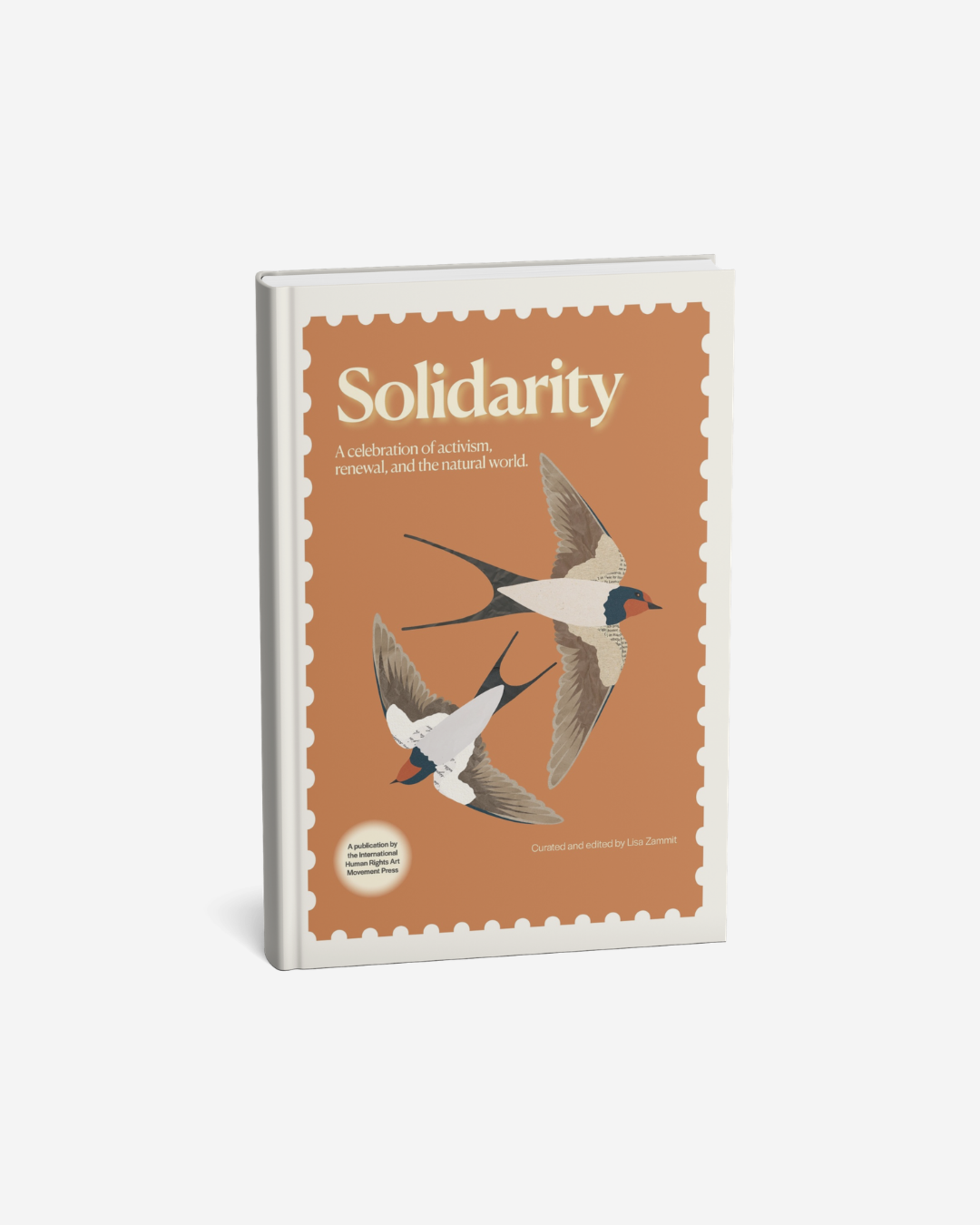

What makes them write? The writers of our upcoming title “Solidarity,” have responded. Inside the Writing Process is an on-going series dedicated to revealing what inspires and influences our contributors’ writing and beliefs because IHRAM Press is dedicated to diversity, community, and representation.
Meet Claude, Waverly, and more of our inspired writers: for them, writing is about vulnerability, equity, and resistance; stories that refuse to stay silent.
Claude C. Marcos, Canada, "The Gift"
Claude is of Syrian, Lebanese, and Armenian decent, now living in Canada. Growing up, the overlap of identities in her life has brought an awareness of how culture, memory, and language shape the way the world is seen. Her poetry is approached honestly, confronting the injustice, loss, or generational trauma, accepting the often complicated and unresolved nature of the subjects. She believes that poetry allows a kind of emotional honesty that is difficult to express in everyday language; these expressions open up spaces for people across different backgrounds and experiences to have a moment of connection. No matter how small the moment, it can have a radical and lasting impact on people and their belief systems and views of the world. More of her work can be found on her Instagram at: claudiamarcs
What compels you to pick up a pen or open your laptop to free-write? And what inspires/influences your writing, particularly when it comes to addressing human rights issues? I rarely sit down to write with the intention of producing a poem. Most of my writing starts from an emotional pressure point, something unresolved, uncomfortable, or difficult to name. When a feeling becomes too present to ignore, writing becomes a way to explore it without immediately needing answers.
Human rights themes enter my work almost naturally because many of the emotions I write about—silence, injustice, power, belonging—exist within social and political realities. I’m interested in the private, interior side of those experiences: how larger systems of inequality or violence echo inside personal relationships, memory, and identity. For me, poetry is a place where those tensions can be examined honestly, without simplifying them.
How does your intersectionality influence your view of the world (your personal beliefs, gender expression, religious affiliations, etc.)?My worldview has been shaped by juggling different identities—cultural, linguistic, and personal. As a woman and an immigrant, I’ve often felt the tension between the expectations we inherit and the lives we try to build for ourselves.
I’m particularly drawn to the quiet pressures that exist beneath those expectations, especially for women and Middle Eastern women—the emotional labor, the silence, the things that are felt but rarely said out loud. Many of my poems explore those spaces where identity becomes complicated: where belonging and independence pull in different directions, where silence and voice coexist, and where personal freedom meets the weight of tradition.
I don’t write to resolve those tensions. If anything, I try to sit inside them. For me, poetry is a place where complexity can exist without being simplified, where questions can remain open, as long as they're honest.
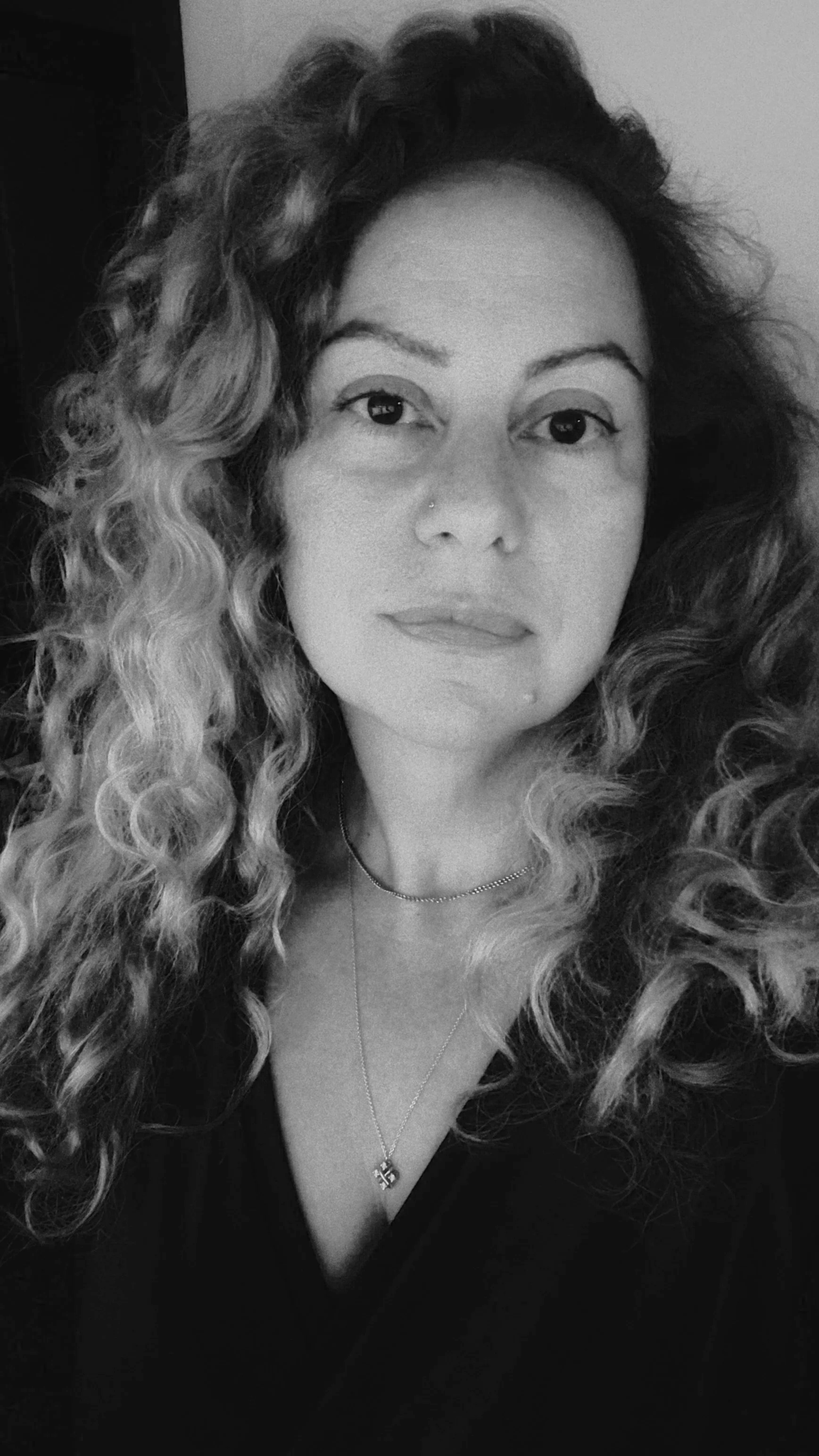
Waverly Vernon, United States, “Common Sense Schooling”
Waverly grew up in Florida, where religious schools and conservative values shaped an early awareness of identity, authority, and belonging. As a queer writer, these experiences continue to inform their work, exploring the ways social expectations, power, and language influence people's lives and sense of self. They believe that while the realities of discrimination, censorship, and social control can be painful and complex, lives should not be flattened to just the suffering. Instead, their writing explores people's ability to resist, adapt, question, and imagine new possibilities, even in restrictive environments. Waverly hopes to offer readers a space where overlooked experiences are seen, difficult conversations are welcomed, and the possibility of change remains present. More of their work can be found on their Instagram at: anthologyofeleos
What compels you to pick up a pen or open your laptop to free-write? And what inspires/influences your writing, particularly when it comes to addressing human rights issues?What compels me to write is often a feeling that something important is being overlooked or quietly erased. I pick up a pen or open my laptop when a moment, a memory, or a contradiction refuses to leave me alone. Writing becomes a way of investigating those moments. I free-write to follow the tension, to see where it leads, and to understand what sits underneath the surface of everyday experience.
My background plays a large role in that impulse. Growing up queer inside religious schools in Florida meant living within systems that tried to define what was acceptable, what was moral, and what kinds of lives were allowed to be visible. Authority often spoke in polished language that felt neat and confident, but underneath it there was pressure, surveillance, and shame. Writing became a way to examine those structures and the ways they shape people’s bodies, choices, and sense of belonging. Free-writing helps me move past the internal censor that those environments often produce.
How does your intersectionality influence your view of the world (your personal beliefs, gender expression, religious affiliations, etc.)?My intersectional identity shapes the way I move through the world and the way I interpret the systems around me. I am a queer person raised within a conservative environment, the child of a single mother in a family shaped by military service and immigrant history. Each of those experiences carries its own expectations, pressures, and forms of resilience. Living at the intersection of those influences has made me aware that identity is rarely simple or singular. It is layered, sometimes contradictory, and constantly evolving.
Because of these overlapping experiences, I tend to approach the world with curiosity and attentiveness to complexity. I am aware that people carry multiple identities that interact with social systems in different ways. That awareness informs both my personal beliefs and my creative work. It encourages me to lead with empathy, to question structures of authority, and to create space for voices that have often been overlooked or silenced.
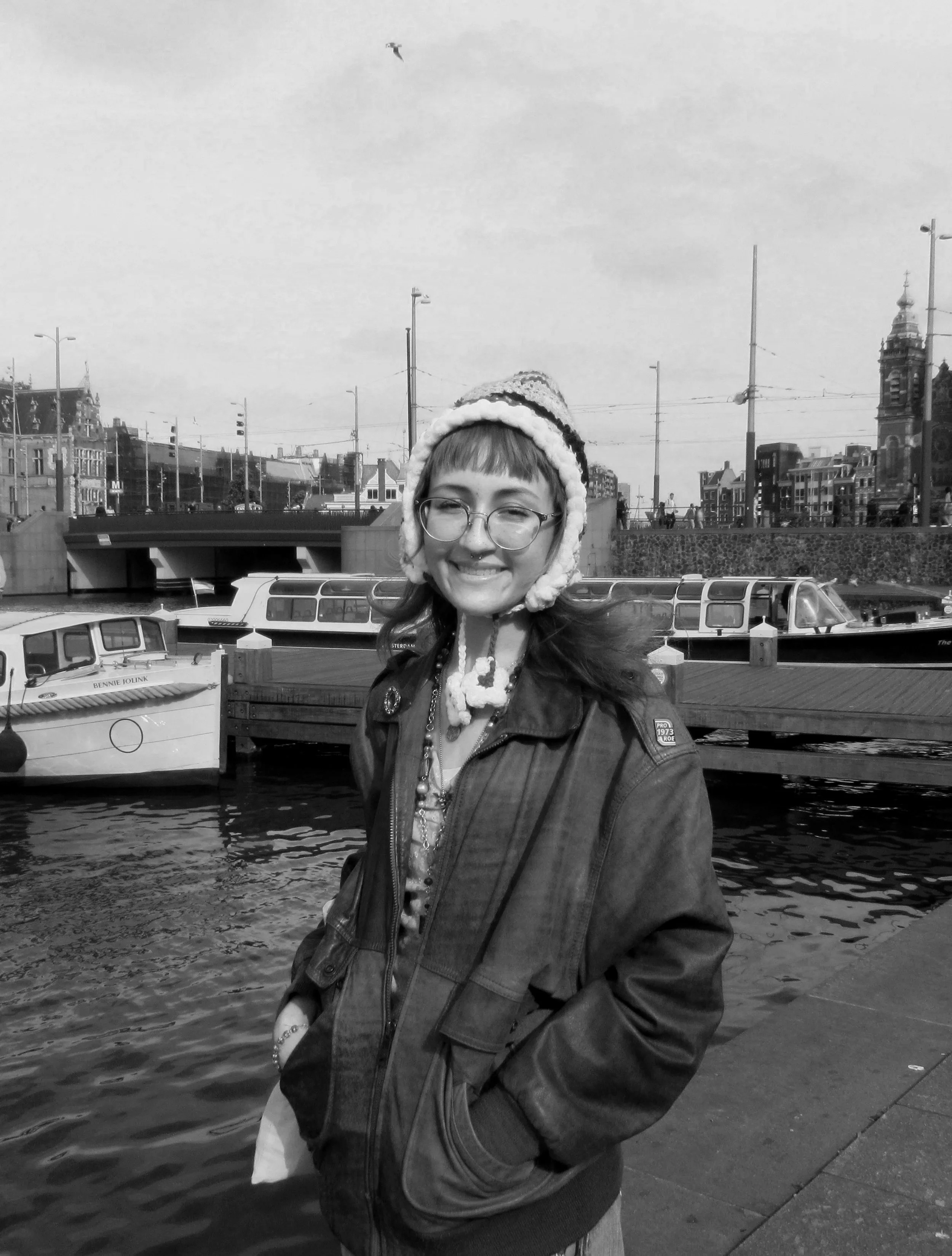
Karina Fiorini, France, "Habiba”
Karina is originally from Malta but now resides in France. Her work is shaped by the social, political, and cultural contrasts of growing up in Malta, before later living in mainland Europe. These experiences continue to inspire poetry that questions injustice, power, and the overlooked experiences of others. She believes writing is an act of attention and quiet activism, confronting injustice while remaining open to the possibility of change through listening, reflection, and human connection. Her poetry has appeared in a range of literary publications and anthologies, and has received recognition in international competitions. More of her work can be found on her website at: https://www.karinafiorini.com/
What compels you to pick up a pen or open your laptop to free-write? And what inspires/influences your writing, particularly when it comes to addressing human rights issues?There's a certain restlessness that drives me to write, whether it's about nature, environment, injustice, mortality, human frailty, or human rights. How can I remain numb? I feel compelled to untangle that thought or that idea. I can't be negligent around poignant issues. I find writing and reading poetry liberating and transformative. So, whether during a quiet moment or going on about daily life, I feel it's very stimulating to unpack emotions or recalibrate a poetic idea or an image.
How does your intersectionality influence your view of the world (your personal beliefs, gender expression, religious affiliations, etc.)?My intersectionality takes me towards what is being unsaid, what and who is overlooked, why certain perspectives are being pushed and others thrown under the carpet, who is benefiting and why, and who is losing and at what cost.
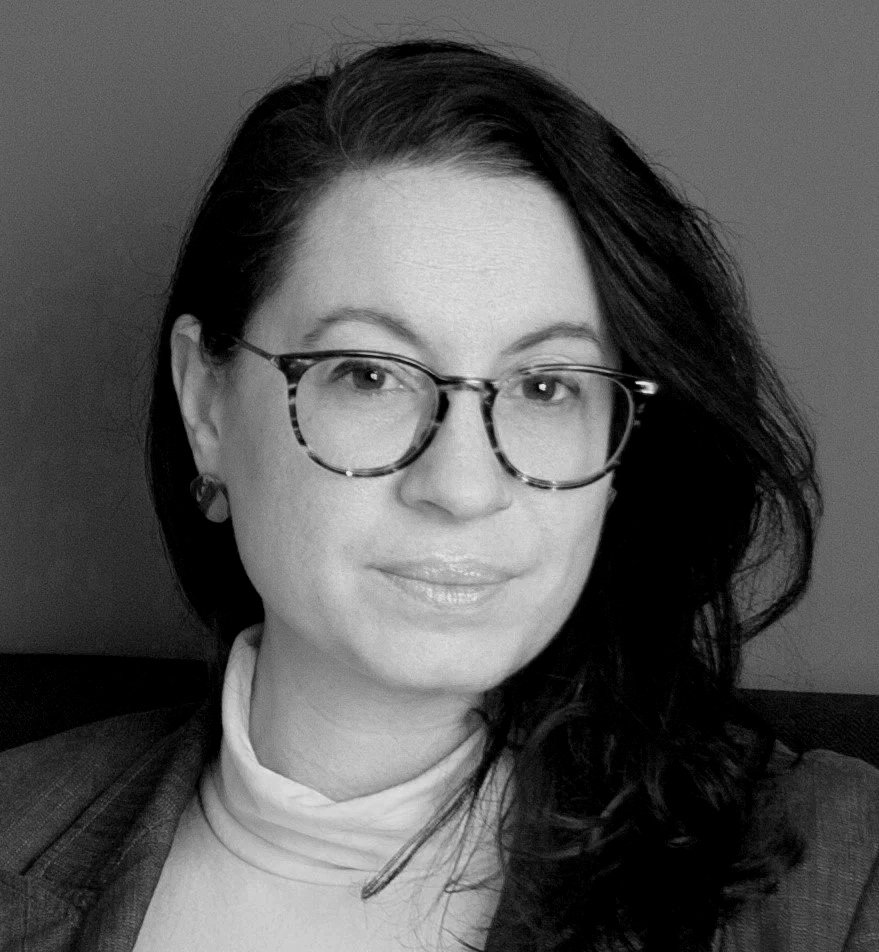
Atreyee Gupta, United States, “Nirbhaya”
Atreyee is a writer based in the USA, with roots in India. Growing up as an immigrant, she has felt as though she doesn’t really belong to a particular nation or community. The duality of being from two places has influenced her resistance in not being confined by strict boxes of definition for who she is, or what she can do. These questions around belonging and identity continue to be major themes in her writing, as she uses hope as a practice to empower others and celebrate diversity and vulnerability. Art, she believes, is inexplicably tied to culture, and culture is a malleable, changeable entity, giving art the power to change the ways in which we see one another. More of her work can be found on her Instagram at: bespoketraveler
What compels you to pick up a pen or open your laptop to free-write? And what inspires/influences your writing, particularly when it comes to addressing human rights issues?I write because it helps me understand myself. Writing helps me connect with the world in which we live, and imagine possibilities not yet thought of—wanting a future in which we care for one another and the planet inspires me to continue writing.
How does your intersectionality influence your view of the world (your personal beliefs, gender expression, religious affiliations, etc.)?As someone who has grown up with a mix of cultures, languages, and modes of thinking, I'm more open to diversity and less concerned with constrained ways of seeing the world. I'm able to see differences of expression and beliefs as coexisting beside and with my own, rather than afraid that they take anything away from them. Understanding the fluidity of my own belonging and identity has helped me acknowledge the flexible nature of these in others.
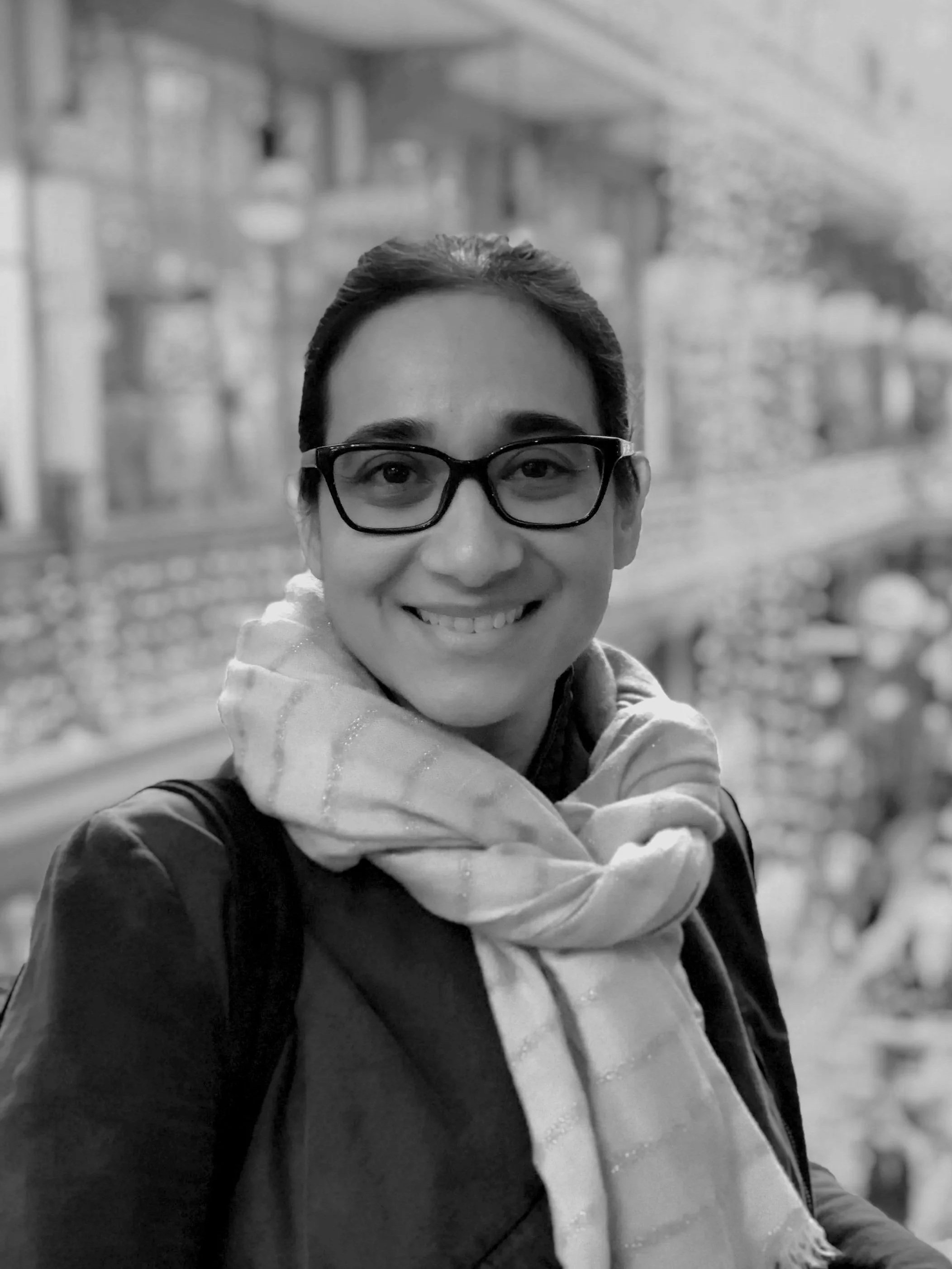
Stay tuned on Instagram
Discover new stories from up-and-coming writers.
Join our movement in supporting underrepresented voices.