
Women Power —Meet the Authors (Part 1)
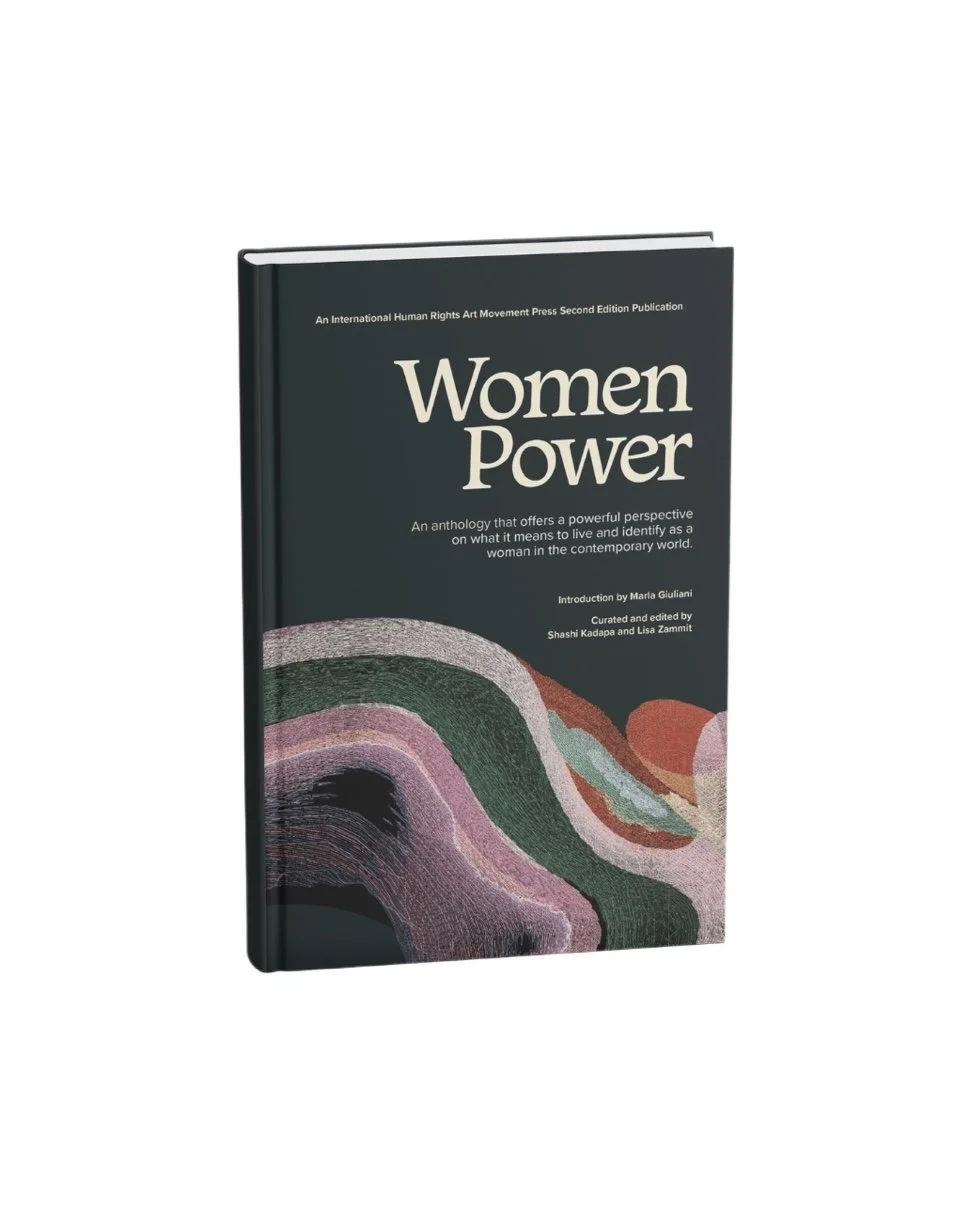
What makes them write? The writers of our latest title “Women Power,” have responded. Inside the Collective is an on-going series dedicated to revealing what inspires and influences their writing and beliefs because the IHRAM Press is dedicated to diversity, community, and representation.
Meet Aradhya, Annie, and the other writers: for them, writing is about vulnerability, equity, and resistance; stories that refuse to stay silent.
Aradhya Sharon, Nepal, “What Could Have Been Avoided”
Aradhya Sharon is just shy of fifteen-years-old and passionate about writing. She has delivered speeches and written essays on gender equality and social practices. In an inter-school essay competition in Kathmandu, she placed third with her essay on gender equality. Her poem “Harmonious Hopes,” inspired by the Israel-Palestine war, was published in Teen Ink magazine. She participated in the World Scholar’s Cup regional round, qualifying for the global round, and won three medals: two gold for writing and one silver for debate.
What compels you to pick up a pen or open your laptop to free-write? And what inspires/influences your writing, particularly when it comes to addressing human rights issues? I pick up a pen or open my laptop when I feel the need to give voice to emotions, experiences, or stories that linger in my mind. When I am profoundly affected by something, whether it’s societal issues or emotions, I start writing. Writing is my way of expressing my emotions and advocating for change. It allows me to explore perspectives that are often overlooked and to shine a light on stories that need to be heard. In particular, human rights issues compel me to write because I want my words to inspire empathy, awareness, and action. Through my writing, I strive to transform injustice, inequality, and silence into understanding, hope, and change.
How does your intersectionality influence your view of the world (your personal beliefs, gender expression, religious affiliations, etc.)?Being a young, fifteen-year-old girl in Nepal, I am very aware of the gender and caste discrimination that exists in my society. These realities have shaped my understanding of fairness, justice, and empathy, and they influence the issues I choose to explore in my writing. My personal beliefs, experiences, and perspective as a girl navigating these social dynamics give me a unique lens to reflect on inequality, resilience, and the importance of change. Intersectionality—the way my gender, age, and cultural environment interest—allows me to see the complexities of social issues and inspires me to create work that is both honest and hopeful.
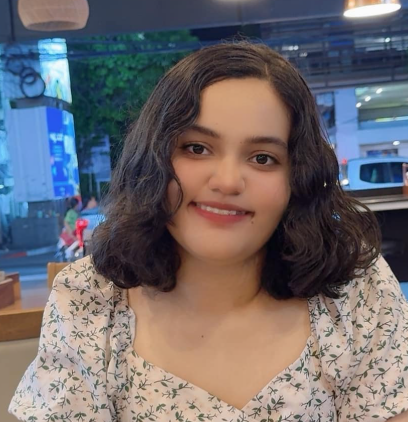
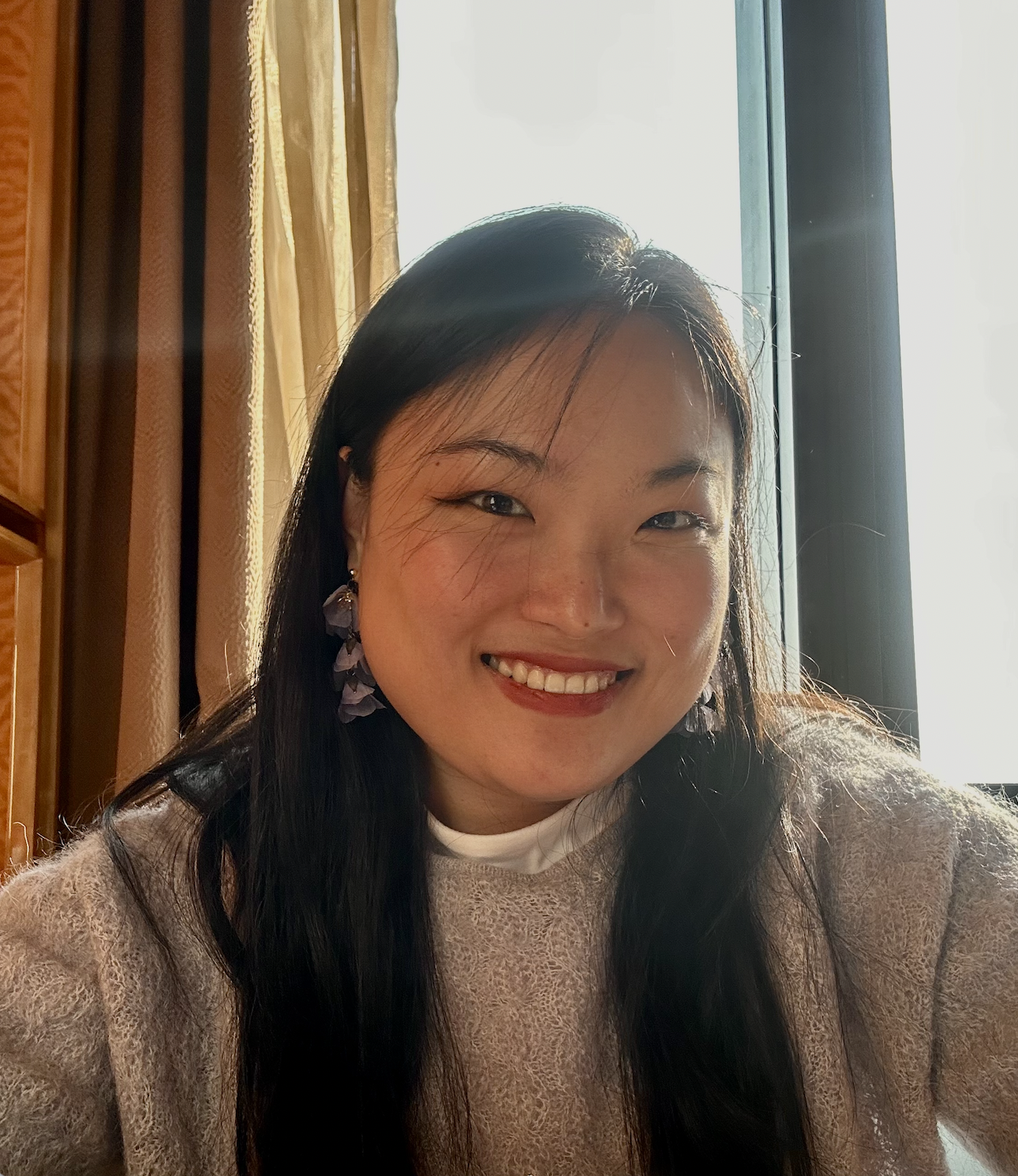
Annie ZH Sun, China & Malta, “Poison Honey”
Annie ZH Sun is a Chinese Writer who grew up in Malta. She graduated with a master's in Creative Writing with distinction from the University of Edinburgh. Her work has appeared in Pseudopod, Hex, IHRAM Press, ZoeticPress, FlashPhantoms, "Silk and Foxglove" Anthology, and others. She is shortlisted in the Liars’ League “Haunted and Hunted” Competition 2025 and she is the winner of the Horror Competition in Edinburgh Writer's Club.
What compels you to pick up a pen or open your laptop to free-write? And what inspires/influences your writing, particularly when it comes to addressing human rights issues?I enjoy exploring different ideas and realities through writing. I've come to realize that my writing is always very closely knitted either to my own experience or emotions inspired through hypothetical and imagined situations. Empathy and imagination are the key to the way I process current affairs.
How does your intersectionality influence your view of the world (your personal beliefs, gender expression, religious affiliations, etc.)?To be perfectly honest, l often feel a little ignorant when it comes to worldly affairs, especially when the topic is as broad as political or social matters. There will always be different opinions or voices but I try to navigate through the world with kindness.
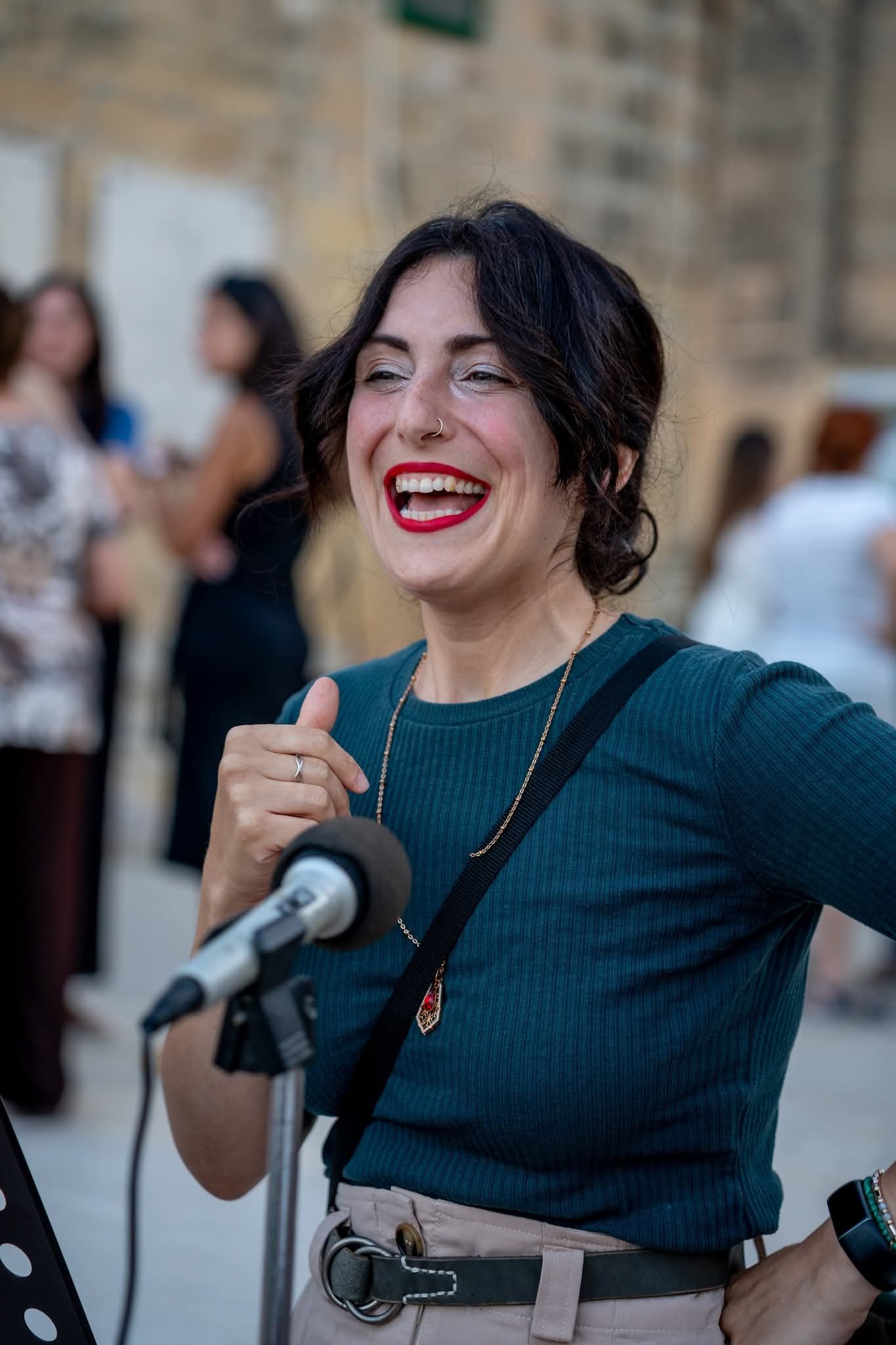
Leanne Ellul, Malta, "The Tale of Marjanna (Once More)”
Leanne Ellul writes poetry and prose, and has published works for both adults and children mainly in Maltese but also in English. She was named Best Emerging Author in the 2016 National Book Prize, and her works for children have garnered various awards. Ellul won first place in the national competition for theatre writing in 2013, and the Novel for Youths Prize 2014 and 2023. Ellul lectures in Maltese language and literature and is active in NGOs organizing a number of festivals and open mics, namely Iniżjamed and HELA Foundation.
What compels you to pick up a pen or open your laptop to free-write? And what inspires/influences your writing, particularly when it comes to addressing human rights issues?I do not know how not to... Everything and anything can inspire my writing. Things I detest, things I love, I admire, I hold dear, I want to change... There is so much good in world around us but there is also so much hate and sadness and fear. I feel I want to translate those feelings into writing... sometimes fiction and poetry can move us more than real life narratives because we have become accostomed to same stories flooding our news portals. Literature defamiliarizes what we know and touches us differently. I truly hope it can move a lot of people in all the good ways possible.
How does your intersectionality influence your view of the world (your personal beliefs, gender expression, religious affiliations, etc.)?I like to think of people as humans; I believe we are all equal and deserve respect and dignity. At the same time, I recognize that my own identity and experiences shape how I view the world. I consider myself quite privileged in many ways, and being aware of that makes me more conscious of the struggles other people face. Being a straight female also influences my perspective. Although I may have privilege in some areas, women still face challenges when it comes to respect, safety, and equal rights. This makes me more aware of gender inequality and the work that still needs to be done to achieve fairness.
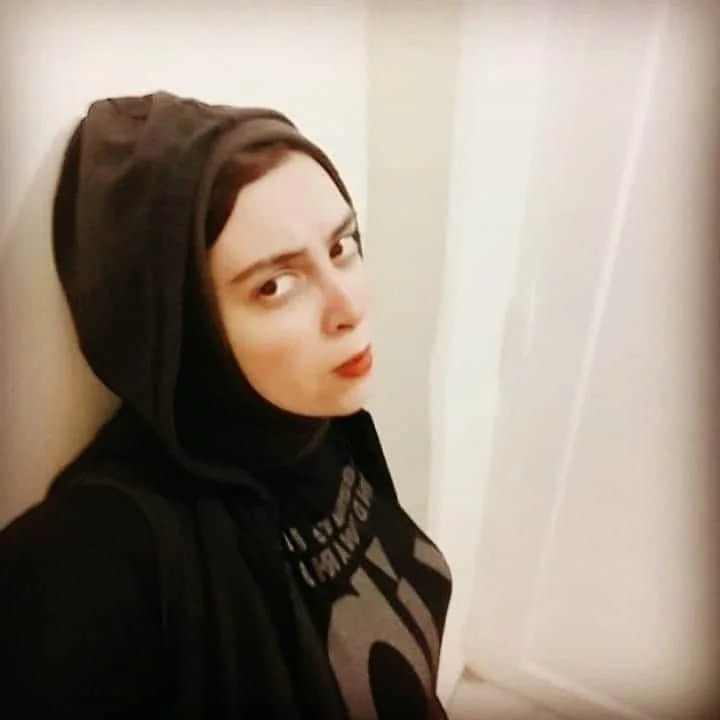
Amirah Al Wassif, Egypt, “To Bury a Curious Girl”
Amirah Al Wasif has two poetry collections: “For Those Who Don’t Know Chocolate” (Poetic Justice Books & Arts, February 2019) and the illustrated children’s book, “The Cocoa Boy and Other Stories” (Poetic Justice Books & Arts, February 2020). Her poems have appeared in print and online publications including South Florida Poetry, Birmingham Arts Journal, Hawaii Review, The Meniscus, Chiron Review, The Hunger, Writers Resist, Right Now, and several other publications. Her poetry collection, “How to Bury a Curious Girl,” was published in April 2022 by Bedazzled Ink Publishing.
What compels you to pick up a pen or open your laptop to free-write? And what inspires/influences your writing, particularly when it comes to addressing human rights issues?Writing is my only weapon and my most influential tool. Whether it is poetry, fiction, or human rights articles—concerning humans, animals, or the environment—I believe in the absolute power of the word. I am inspired by what I witness firsthand and the painful stories I hear from people whose rights have been violated. I am also driven by a desire to give a voice to the voiceless, including animals and the environment. Highlighting the marginalized is one of my primary motivations.
How does your intersectionality influence your view of the world (your personal beliefs, gender expression, religious affiliations, etc.)?I always try to look at the world through the lens of the ‘Curious Girl’—the title of my poem. Curiosity allows us to view the world with extreme neutrality; it makes us hungry for facts and drives our journey of exploration and experimentation through art. I invite everyone to remain curious so they don’t view the world through rigid, inherited, and false ‘stereotypes.’
Stay tuned on Instagram
Discover new stories from up-and-coming writers.
Join our movement in supporting underrepresented voices.