
Tom Block, Producer
Costanza Bugiani, Assistant Producer
Aika Takeshima, Production Assistant
Audrey Paige Robinson, Technical Director
Mel Hardy, Stage Manager
Lina Restrepo Cardona, Social Media Manager
Dalia Elmeddawi, Festival Content Manager (On-Site)
Robin Michals, Photographer
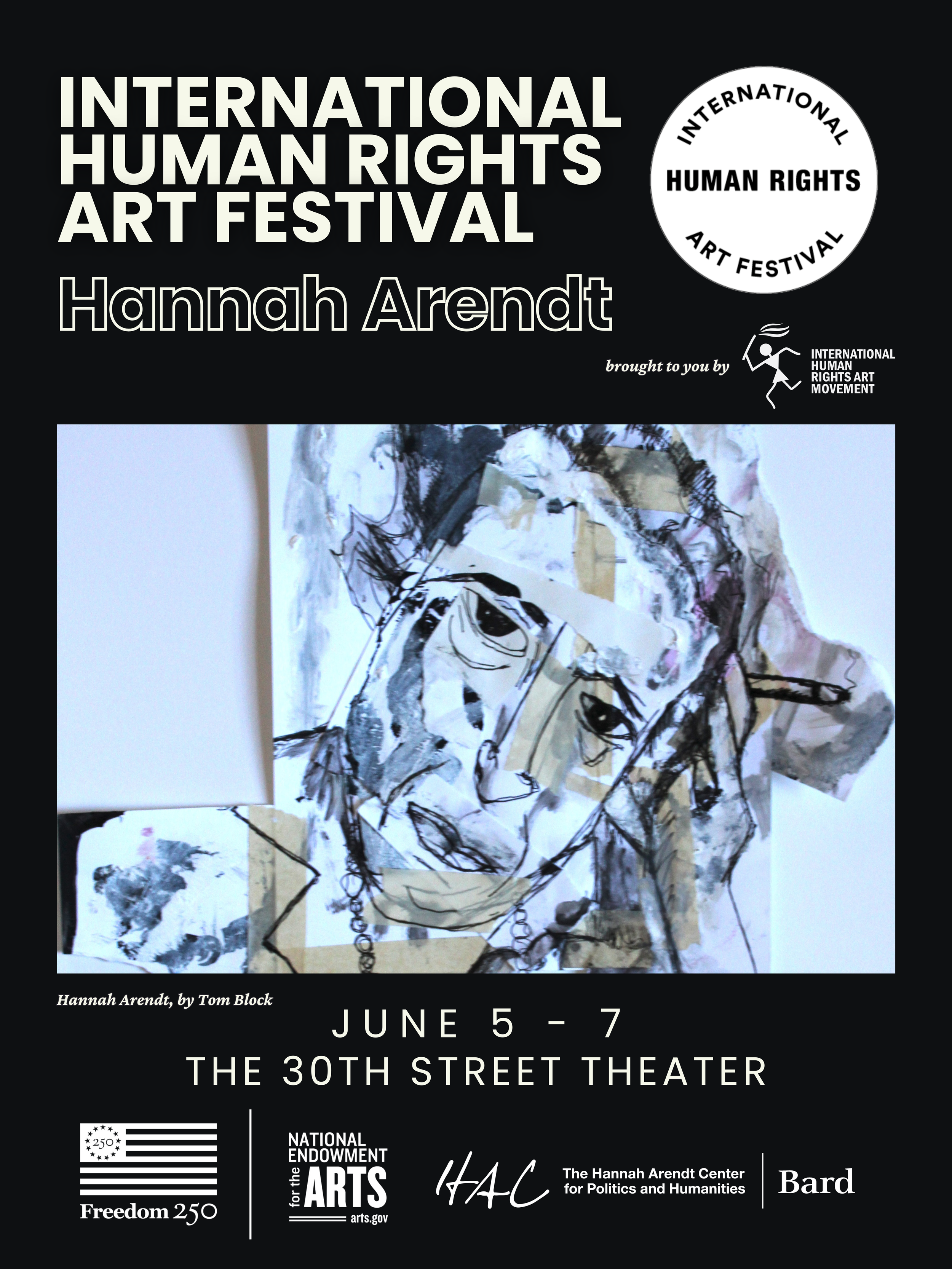
Hannah Arendt
Special IHRAF Festival
Celebrating the life and ideas of Hannah Arendt
(1906-1975)
June 5-7, 2026
The 30th Street Theater
259 West 30th Street
(btw 7th and 8th Avenues)
New York, NY 10001
A completely sold out IHRAF Festival
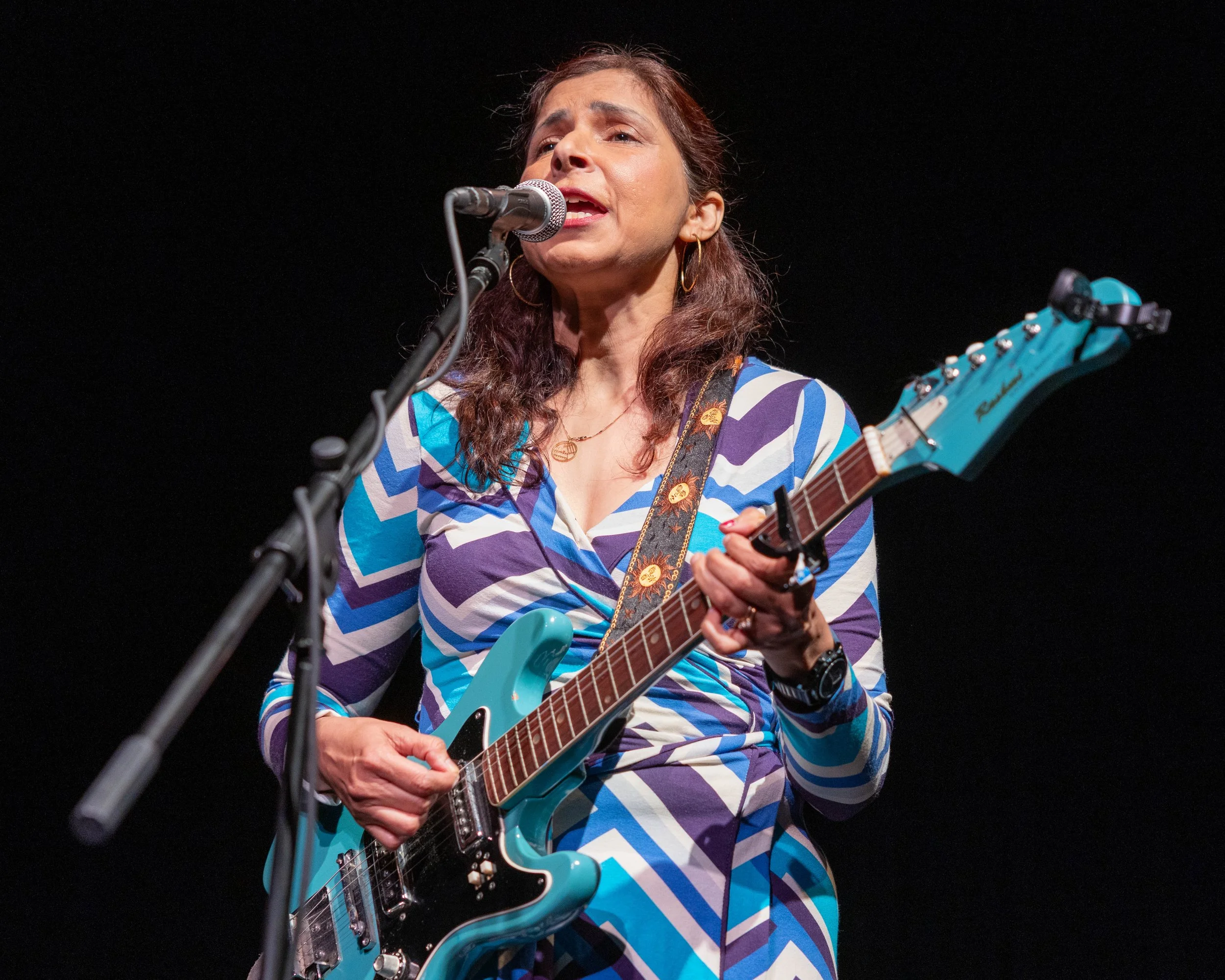
Rashmi, "Songs Against Silence"
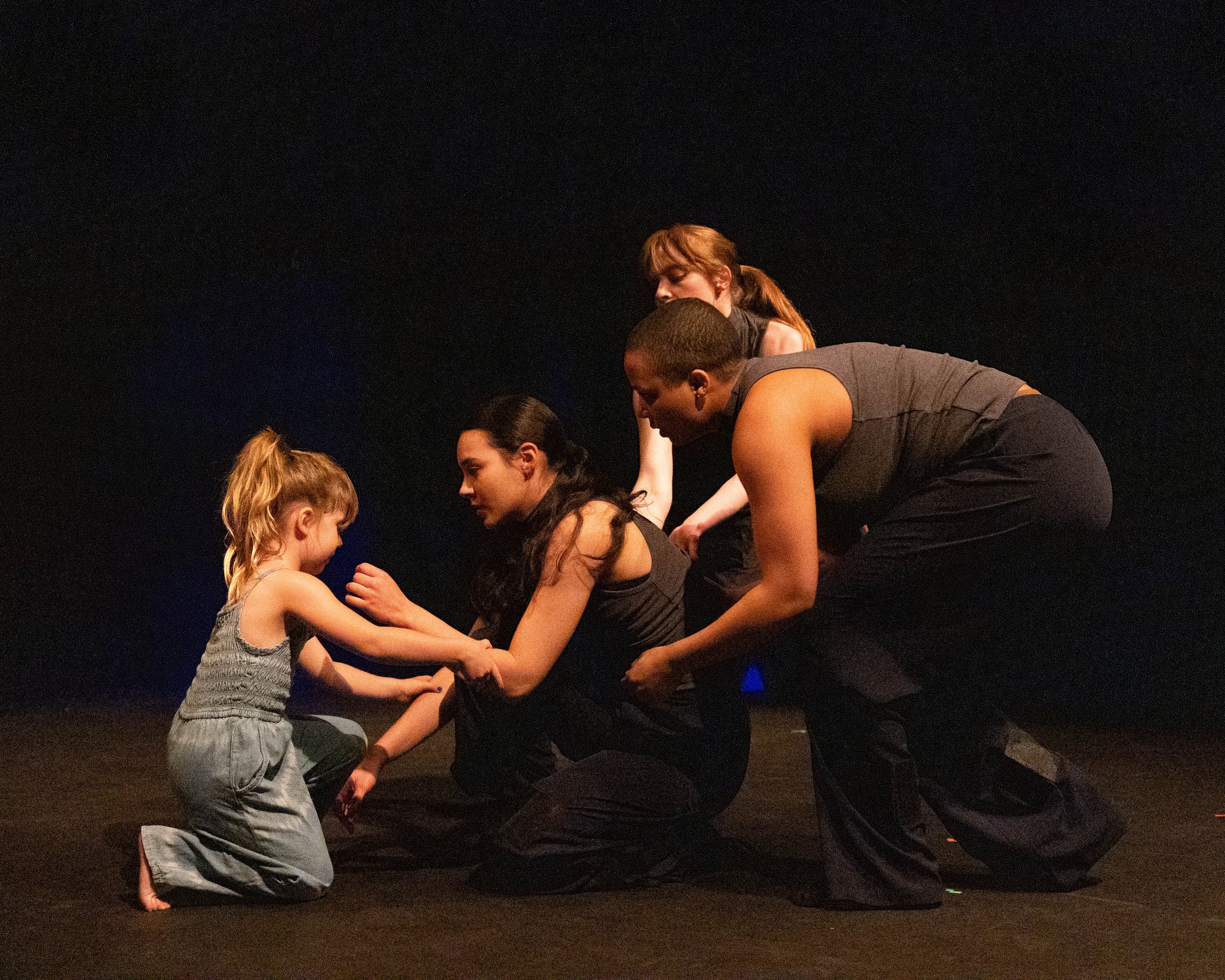
"Hysterical Women" by Contremune Dance
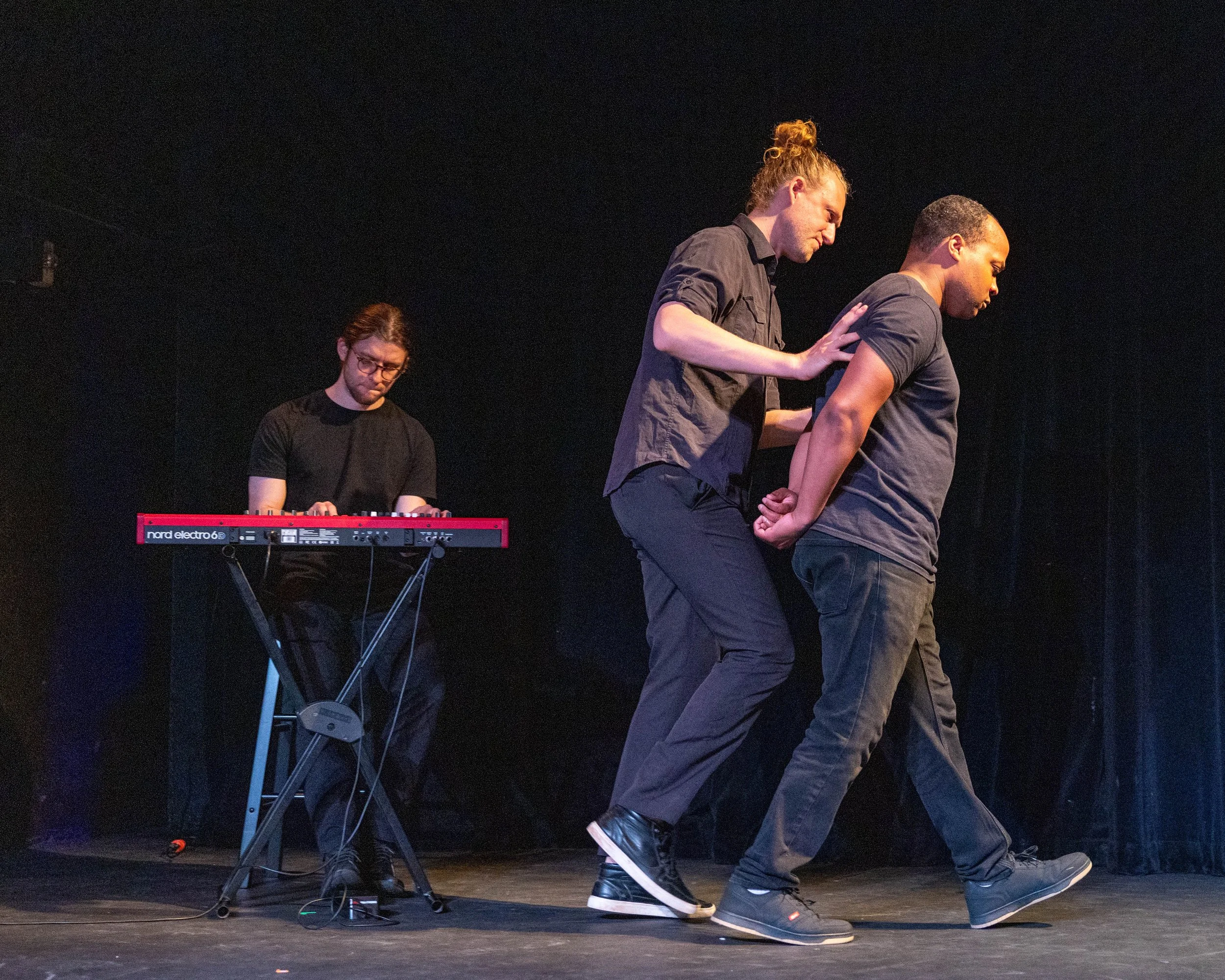
"The Supremes" by 88 Wash Productions
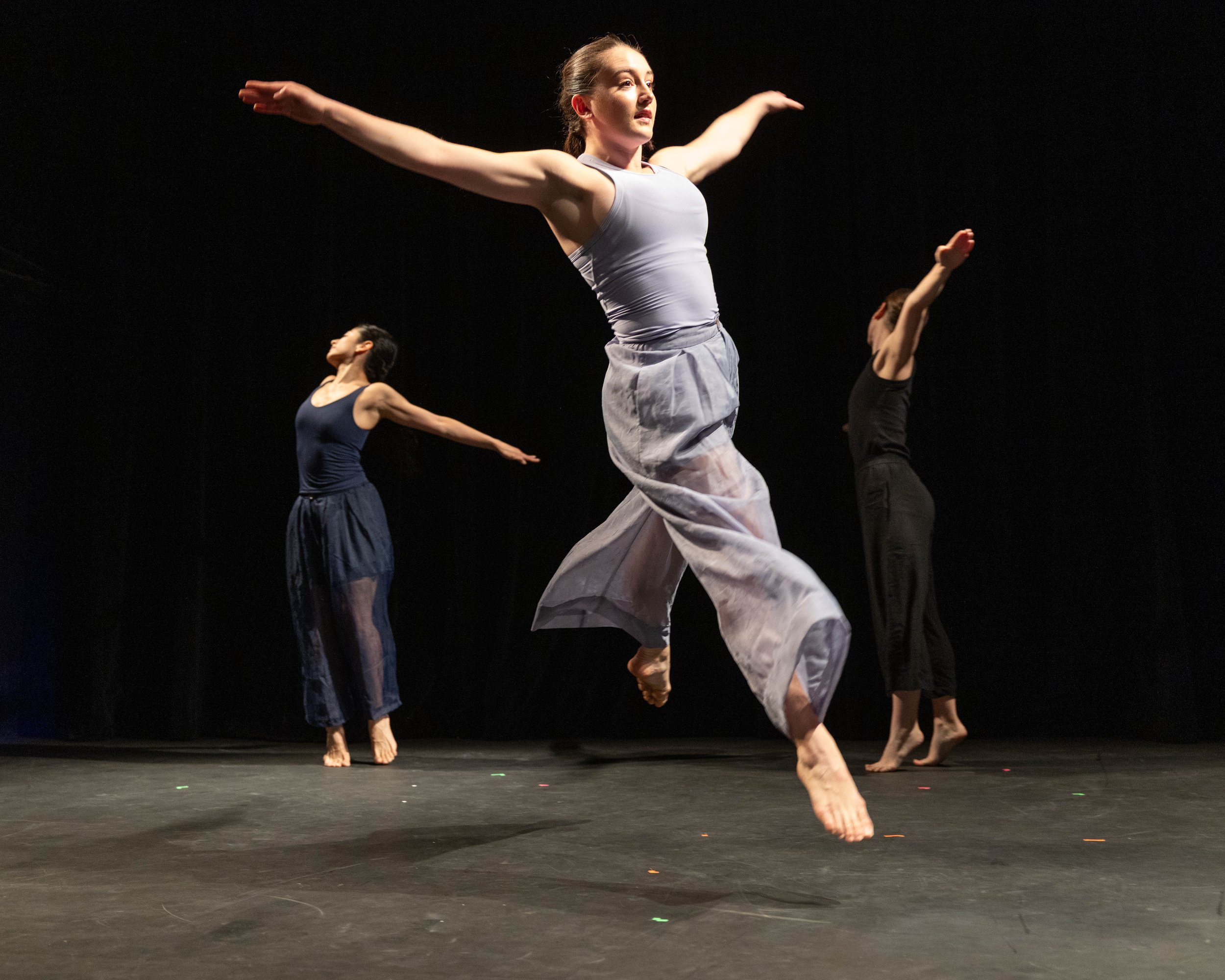
"On Thinking" by Cecilia Whalen Dance
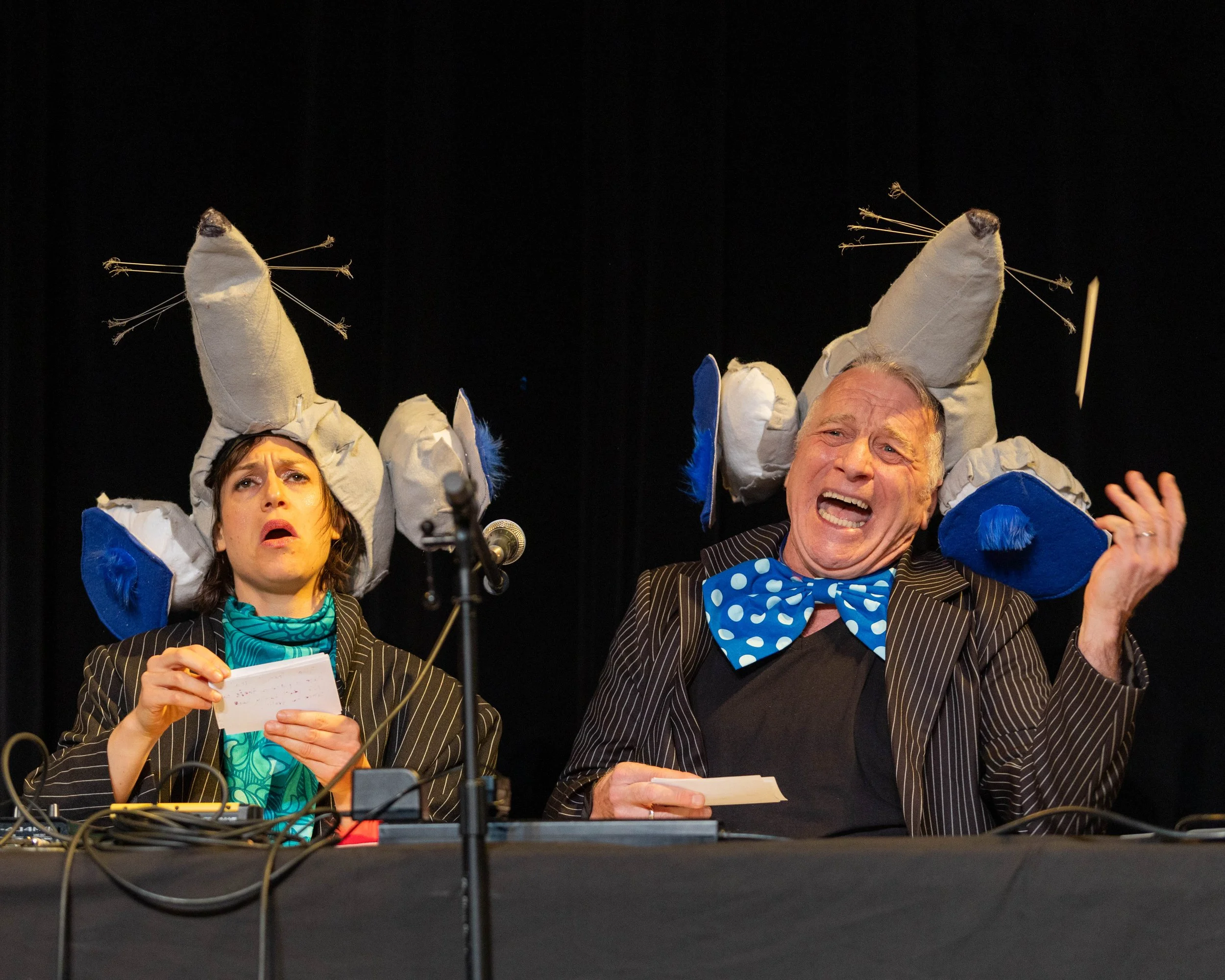
"The Banality of Being a Balloon" by Emmanuelle Zagoria
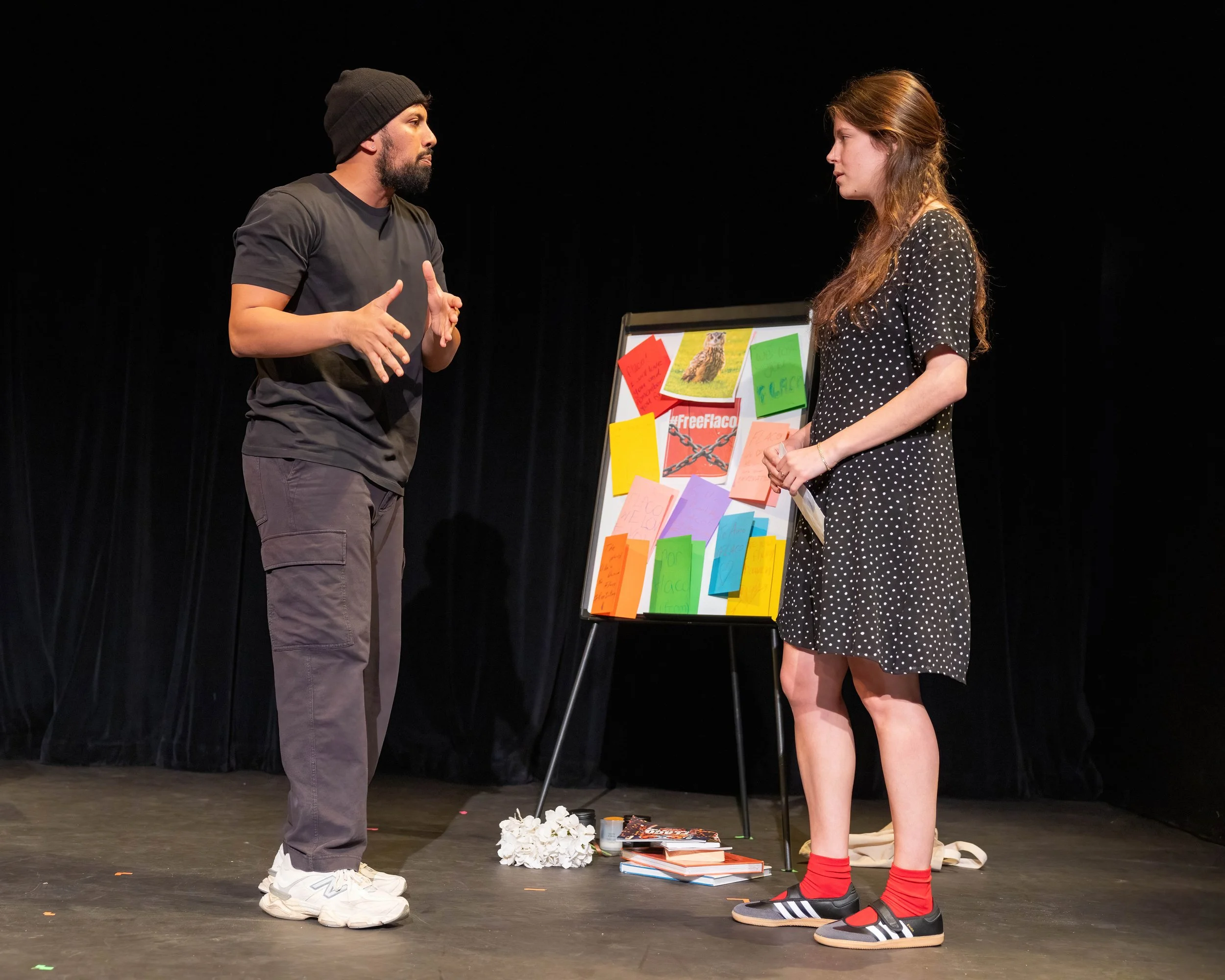
"Flaco" by Dakota Silvey
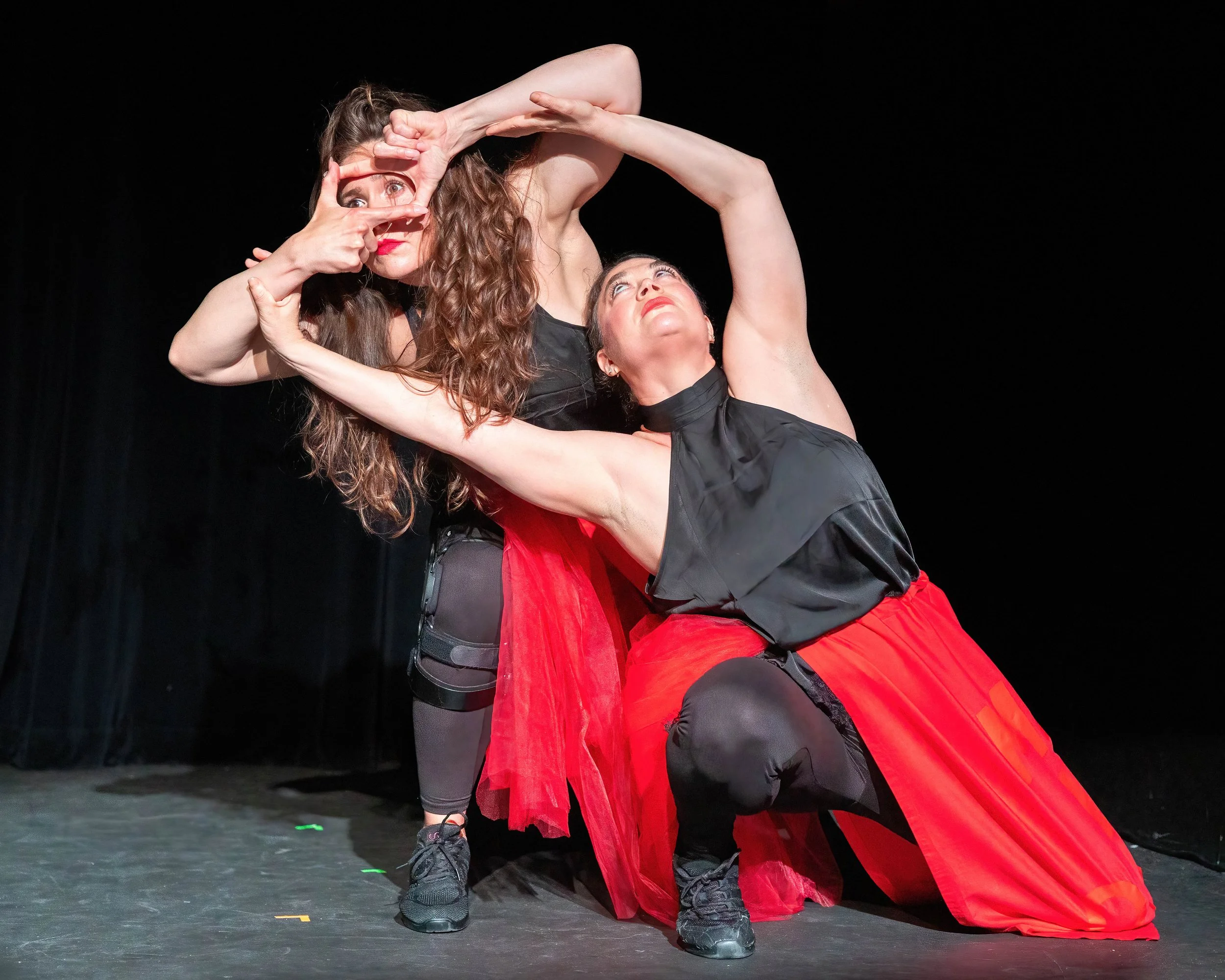
"Free to Change the World" by Megan J. Minturn/MJM Dance
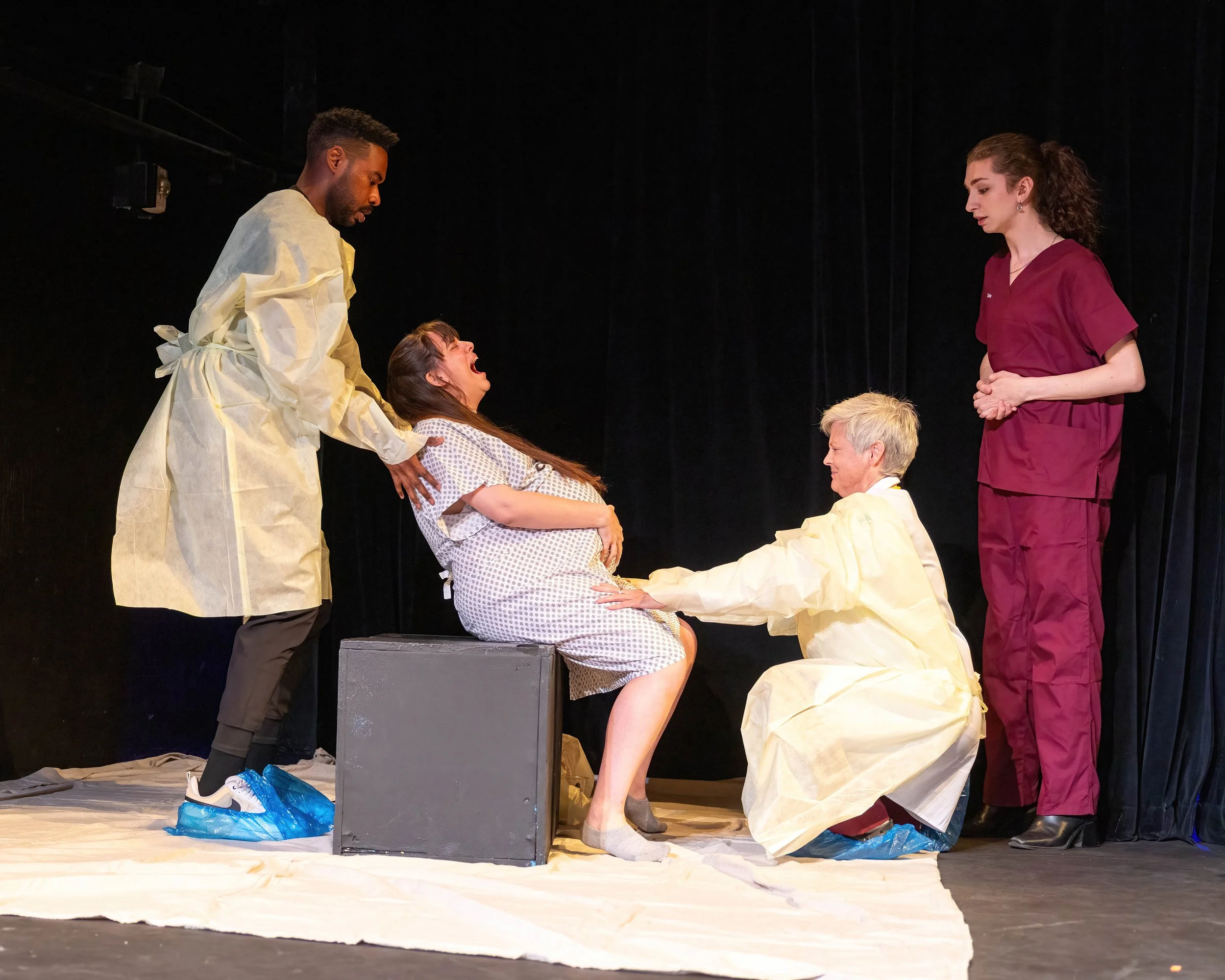
"Cultured" by Notch Theatre Company
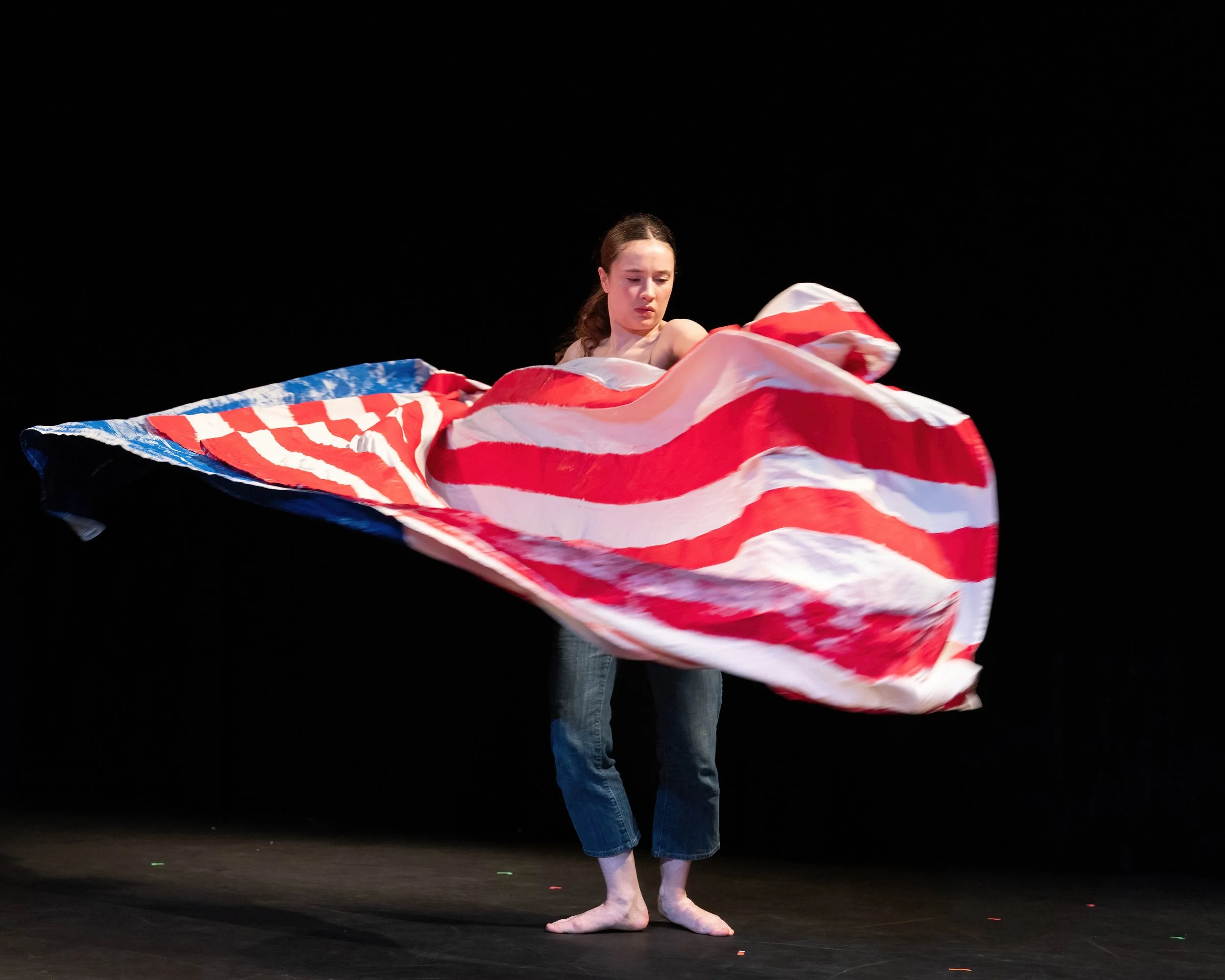
"The Cold Room" by Poppy Louise Miller
"Hannah Arendt: a Cantastoria" by Redwing Blackbird Theater
"Living the Dream" by Dylan Reed Berman Horowitz
"This Together" by Rebecca Lloyd-Jones
"Small Things That Go Boom!" by Marcus Harmon
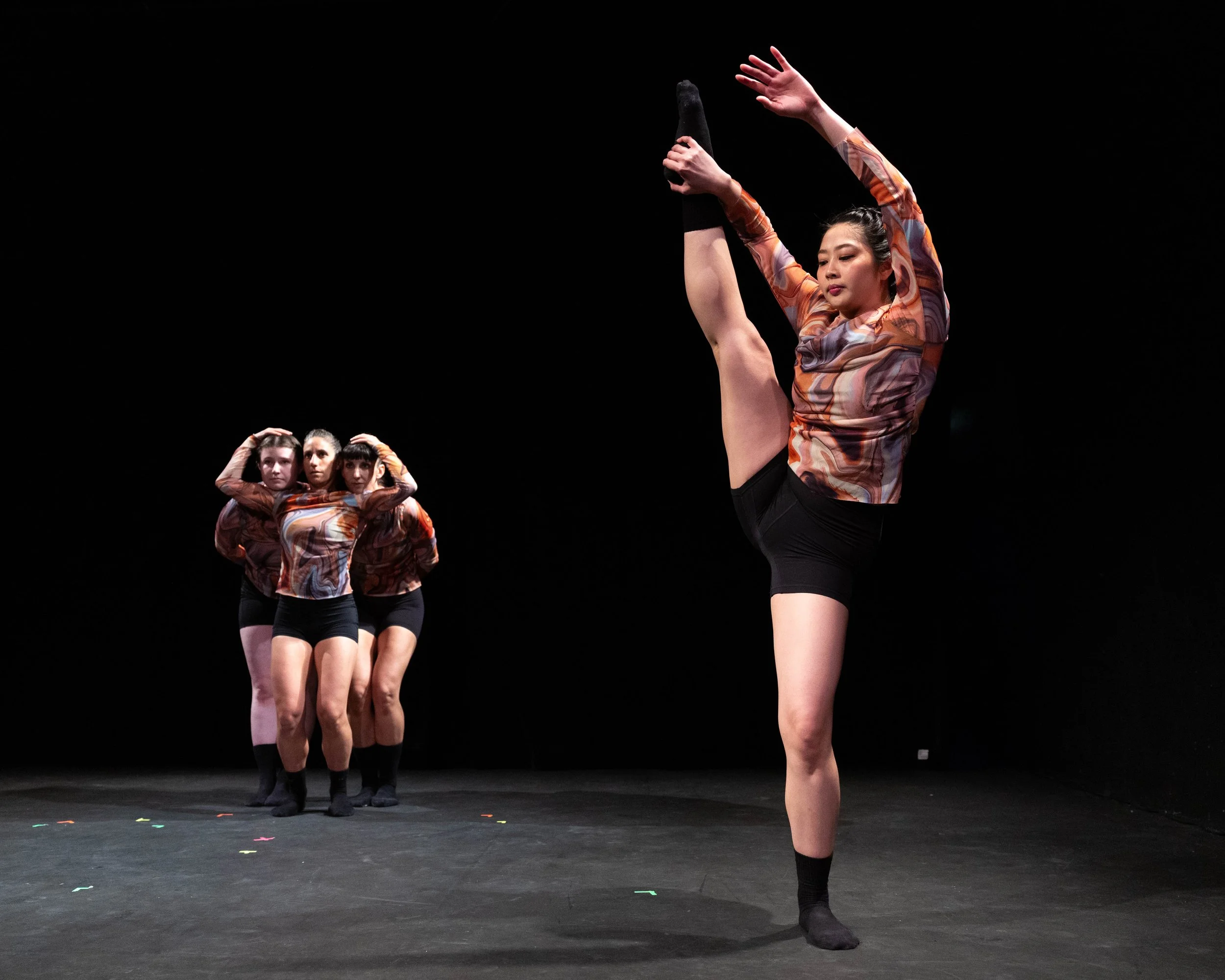
"The Sky is Green and the Grass is Blue" (Excerpt) by DoubleTake Dance
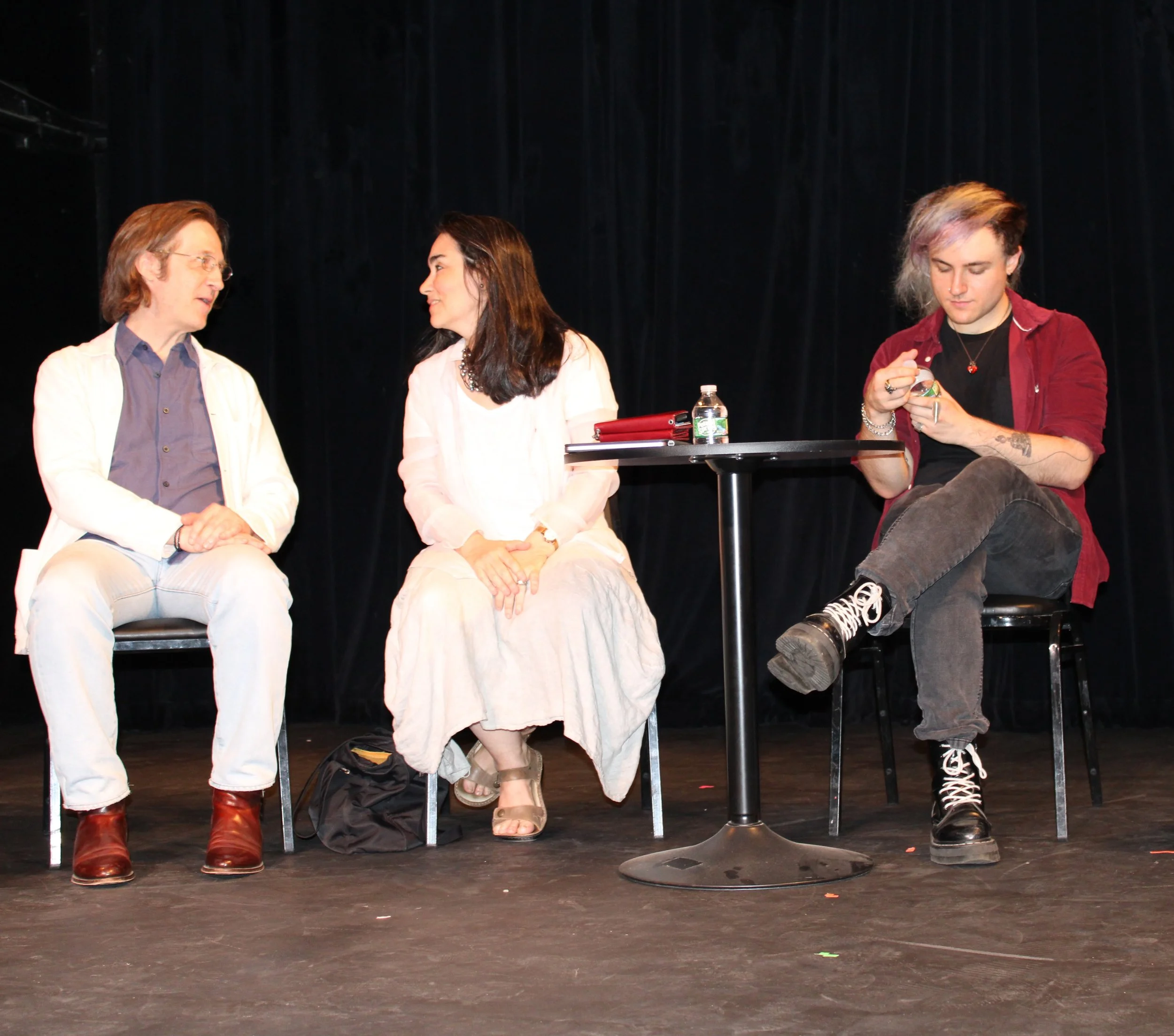
Hannah Arendt Workshop, with Thomas Bartscherer, Jenny Lyn Bader and Dylan Horowirz
Friday, June 5, 7:00 pm
The Banality of Being a Balloon written / composed /performed by Emmanuelle Zagoria and devised / performed by Bill Bowers (Music/Performance)
The Banality of Being a Balloon is an absurdist play with music by Emmanuelle Zagoria, inspired by Hannah Arendt’s writings and concepts. With striking images—looping voices, repetitive gestures that devolve from joyful to controlled—the piece blends movement, text and live sound to explore how easily we follow, adapt, and lose (or reclaim) our sense of agency. Both fun and unsettling, it invites audiences into a vivid, physical reflection on thought, responsibility, and choice.
Emmanuelle Zagoria (she/her) is a French-Australian writer, composer, and performer creating bold, experimental music-theatre that blends voice, movement, and storytelling to explore the brain, trauma, and the absurdity of being human. Bill Bowers (he/him) is an award-winning actor and mime who has appeared On and Off Broadway, and in theatres around the globe.
My work draws on Hannah Arendt’s writings, including “The Origins of Totalitarianism”, “Eichmann in Jerusalem”, and “On Revolution”. It explores the rise of totalitarianism, the dangers of thoughtlessness, and the ethical and political questions she raises about human action and responsibility. Using absurdist fable, humor, and physical theatre, the piece translates these complex ideas into a theatrical language that is both playful and unsettling, making Arendt’s concepts tangible and immediate for audiences.
Flaco by Dakota Silvey (Theater)
A political activist comes across a memorial in Central Park. When he realizes what the memorial is for, he and the memorial's organizer debate over what makes a cause worthy of our time.
Dakota Silvey (He/Him) is a playwright, wildland firefighter and EMT. Maya Shoham (She/Her) Maya Shoham is an Israeli/Aussie actress, writer and amateur baker based in NYC. Vaibhav Taparia (He/Him) is an Actors Studio Drama School MFA graduate and a South African actor of South Asian descent based in New York City, his most recent credit being Guards at the Taj by Rajiv Joseph at the NextStop Theatre @vaibtapariaTaparia.
FLACO pays homage to champions of change like Hannah Arendt because of Phil's dedication to protesting and working towards a future where governments aren’t given carte blanche to do whatever they want to their people. To educate the masses, to reach people who plug their ears, to scream at the top of our lungs in order to reach the half-vacant penthouses looming over Central Park! This play is a political comedy, an attempt to critique those who sit on the sidelines and those who criticize others for the causes that motivate them to act.
Free to Change the World by Megan J. Minturn/MJM Dance
"Free to Change the World" exists in conversation/sequel-nature with MJM Dance’s piece iNocuous: 5c which premiered in 2015 and explores the “moral mazes” we navigate in an interconnected world. Considering Hannah Arendt’s concept of the “Banality of Evil” and the aphorism that you “can’t awaken someone who is pretending to sleep” this piece looks at our complicity in unjust systems, specifically through our technological connections, appetites, and uses. "Free to Change the World" continues the conversation, focusing on the transformative power of free will, as described by Arendt. Movements showing causality, restriction, and freedom are combined with moments of improvisation to demonstrate how our choices and freewill are indeed of consequence, even in the midst of totalitarianism, perhaps especially in the midst of violence and totalitarianism. Through art and Arendt’s grounding, even hopeful philosophy, the piece aims to explore through both process and the production how courage and creativity matter even, and again perhaps especially, in a time of bleakness and despair.
Kelli Chapman is a physical educator and dance educator teaching students with disabilities in New York City schools, has been dancing with MJM Dance since 2012, and creates outdoor improvisations as a solo artist. Dara Hartley is a multidisciplinary artist and maker whose work blends high-tech and low-tech processes—including textiles, digital fabrication, printmaking, and storytelling—to explore memory, material culture, and craft. Yagersys Laya (she/her) is a philosophy graduate exploring time, art, and the quiet tension between meaning and nothingness. Erica Lessner, MFA, is a dancer, choreographer, educator, and multimedia dance artist based in Brooklyn, NY. Megan J. Minturn is a dance artist energized by the gift of moving through performance processes with: her company, MJM Dance; Brooklyn International High School students; Catherine Gallant/DANCE; and Movement of the People Dance Company.
"Free to Change the World" uses Arendt's words in a creatively mixed soundscape, juxtaposed with dance movements inspired by thematic elements of her work. Ideas of causality, restriction, and freedom are combined with moments of improvisation and embodied, conveying and hopefully portraying, how choices and freewill are indeed of consequence.
Cultured by Notch Theatre Company (Theater)
“Cultured” is a satirical horror play about the price of human dignity. Following an epidemic that killed most livestock, lab-grown meat has replaced the traditional food chain. When people start experiencing bizarre side effects, we are led to ask questions about what we agree to sell, what we agree to eat, and how we trade in literal flesh and blood to survive in a culture where everything is a commodity.
Olive Teague is the Artistic Director of Notch Theatre Company and winner of the Embark Award for Social Innovation in Entrepreneurship. HyoJeong Choi is an English-Korean bilingual writer for stage and screen based in NYC.
When Olive and Hyo embarked on this project, our interests lay at the intersection of horror and hyperreality as tools for laying bare the human atrocities of our time. Hyperreality strives to blur the boundary between reality and simulation, between truth and fabricated content, between the natural world and the man-made. The play explores our human and animal nature and what it means to participate in a “civil and cultured” society.
The Cold Room by Poppy Louise Miller (Dance)
The Cold Room is an immersive duet between a body and an external force that is at once protective and oppressive. Poppy Louise uses sustained physical negotiation; wrestling, concealment, entanglement, and collapse to expose how systems of power and normalized harm are carried within the body.
Poppy Louise Miller is a New York–based dancer and choreographer, a 2025 BFA graduate of the California Institute of the Arts, whose physically rigorous and emotionally charged work explores power, endurance, and identity while maintaining a strong commitment to socially engaged art and community-based dance education.
The Cold Room draws on Hannah Arendt's concept of the banality of evil, examining how harm is sustained not through overt violence but through normalized systems and unexamined participation. The work reflects her idea of thoughtlessness by situating the body in continuous relationship to a force that promises safety while simultaneously exerting control, revealing how individuals move through structures they do not fully question or interrupt. Arendt's writings on human rights and political belonging informs the piece's focus on conditional safety, where protection is unevenly distributed and never guaranteed. Finally, her emphasis on individual responsibility under systemic conditions resonates in the choreographic tension between agency and submission, asking what it means to act, resist, or comply from within the structure itself.
Saturday, June 6, 3:00 pm
In Dialogue: Hannah Arendt, Human Rights, and the Arts
We invite you to a freeform conversation with a panel of theater artists about Hannah Arendt, Human Rights, and the Arts (about 75 minutes, followed by an informal reception). Our starting point will be the artists' engagement with Arendt’s work and/or life. The session will begin with brief remarks by workshop leader Thomas Bartscherer to provide context on some of the key relevant themes in Arendt’s work. The panelists will each talk about how they have engaged with Arendt in their work, we’ll have some discussion among the artists, and then open the conversation to the audience. We’ll conclude with a wine and seltzer reception where we can continue the conversation. Featuring Jenny Lyn Bader (playwright) and three IHRAF artists: Emmanuelle Zagoria (The banality of being a balloon), Shailly Agnihotri (The Supremes) and Dylan Horowitz (Living The Dream).
Thomas Bartscherer (Workshop Leader) works in the arts and the humanities. He is co-editor of the authoritative critical edition of Hannah Arendt’s last book, The Life of the Mind, hailed as “a revelation” by the Chronicle of Higher Education. His six-hour opera, Stranger Love, created with composer Dylan Mattingly, was listed by The New York Times and the San Francisco Chronicle as one of thebest classical music performances of 2023. He has been commissioned by the LA Phil and Spoleto USA, and has held fellowships at the École Normale Supérieure in Paris, the University of Heidelberg, and the Center for Advanced Film Studies at the Freie Universität in Berlin. He publishes widely on topics in philosophy, politics, education and the arts. He is the Peter Sourian Senior Lectuer in the Humanities and Senior Fellow in the Arendt Center at Bard College.
Check out the workshop readings HERE!
Saturday, June 6, 7:00 pm
Songs Against Silence by Rashmi (Music/Narrative Performance)
Songs Against Silence is a new live performance weaving original songs with spoken narrative, placing Hannah Arendt’s ideas in direct conversation with our current political and cultural moment. Through music and storytelling, the piece explores moral responsibility, truth-telling, and the dangers of unexamined participation in unjust systems.
Rashmi (she/her), a Baldwin Fellow of the Arts, Queens Council on the Arts Awardee, and FilmNation × WGAE Fellow is an actor, singer-songwriter, and screenwriter whose work interrogates power, justice, and institutional systems.
My work, Songs Against Silence: Song + Story Cycle, engages directly with Hannah Arendt’s ideas about moral responsibility, truth, and the way systems normalize participation in injustice. Through original songs and narrative performance, I examine how harm is often sustained not by singular “monsters,” but through everyday compliance, silence, and unexamined social roles. Songs like Smile And Look Pretty, Pretti and Good, and Blame Eve reflect Arendt’s concern with how institutional and cultural structures shape behavior and obscure accountability. The piece also reflects her belief that truth requires a public space to be spoken and witnessed, using performance as a form of reclaiming that space.
Hysterical Women by Contremune Dance (Dance)
Hysterical Women is a physically charged piece that interrogates the invisible architectures shaping women’s lives: labor, care, containment, and control. Through constraint-based choreography, spoken text, and shifting relational dynamics, three performers navigate systems that tether, direct, and fragment the body over time. At once intimate and political, the work traces how pressure accumulates, how agency is negotiated, and how the body resists, adapts, and remembers.
Kimberly Prosa is a New York-based choreographer, dancer, educator, and researcher working at the intersection of choreography, social inquiry, and embodied practice. Her work explores how movement can function as both artistic expression and research methodology, engaging questions of labor, identity, well-being, and the social conditions that shape lived experience. Moira Lo Bianco is a composer, pianist, and sound practitioner whose work explores the intersection of music, embodiment, and human experience. Deeply engaged in the therapeutic and educational dimensions of sound, she brings a holistic perspective to her work, approaching sound as a tool for connection, regulation, and expression. Seneca Lawrence is a performing artist based in New York City. She received her BFA in Dance Performance from SUNY Purchase and is currently a company dancer with HT Chen & Dancers and The Painted Ladies. Seneca is also an actor, singer, comedy improviser, and certified Pilates instructor. Kelly Guerrero is a dancer, choreographer, and arts administrator who received her BFA in Dance from Montclair State University. Currently, she serves as the Managing Director of Dance New Jersey, dances with The Moving Architects and H.T. Chen & Dancers, and is an artist-in-residence with ARTS By The People. Robyn Ayers is a movement artist and arts administrator living on occupied Lenape land (NYC). They hold a Bachelor of Fine Arts degree from Fordham University & The Ailey School, which they obtained summa cum laude with majors in dance and philosophy. Robyn moves through the worlds of formal stage production, site-specific installation, and film; currently dancing under Katherine Maxwell at Hivewild.
Rooted in Hannah Arendt’s writing on labor, action, and the conditions of human life, Hysterical Women explores how women’s bodies are bound within cycles of repetition, care, and necessity. Arendt’s concern with the loss of agency within systems of survival resonates through the work’s physical constraints and accumulations. The dance moves between compliance and resistance, asking where action,true, self-directed movement, becomes possible. In this way, the piece considers how the body might reclaim space for autonomy within structures that limit it.
I Need A New... by Meghan Duffy (Theater)
I Need A New... invites the audience to commit the dangerous act of thinking by considering the ways in which individuals have their humanness extracted from them all in the name of the greater good. This play deals with eugenics and lack of informed consent sterilization in the prison system.
Meghan Duffy, PhD (Playwright/Director) is a theatre artist whose work primarily focuses on the challenges women of all ages encounter. (she/her). Bill Tatum (Man) As an award winning journeyman actor Bill has performed from Maine to Florida and points west in roles that vary from Jessie James to George and Martha with a good deal of shameless commercialization mixed in. he/him. Wendy Ann Powell is a New York–based performer and educator who weaves Black generational memory and diasporic movement into a healing practice inspired by her lived experience with schizophrenia and bipolar disorder. (She/Her). Benjamin Sevilla (Production Assistant) produces theater as an actor and playwright in New York, with a background in musical theatre.
Hannah Arendt advocated for the right to have rights. The women who were sterilized while in California State prisons were denied their right to have the right to bodily autonomy by an institution that held that they really did not have that right. The authorities - the State and its agents - that should have protected the “inalienable” rights of the female inmates chose to de-sex them either through coercion or lack of informed consent. Without knowledge, with coercive tactics, the truth loses its power. Worse yet, “Truth” could cease to exist.
The Supremes by 88 Wash Productions (Musical Theater)
"The Supremes" is a participatory musical that examines America's constitutional crisis through the stories of Supreme Court justices, a public defender, and a detained defendant, inviting audiences into collective action through Latin, blues, and gospel musical traditions. Offering a vision of democratic engagement that becomes possible when people gather to reclaim our power as we the people.
Trigger Warnings: Contains themes of immigrant detention, government surveillance, systemic oppression, and direct audience confrontation about complicity in institutional injustice.
Shailly Agnihotri (she/her) is a playwright and lyricist driven by a yearning to examine the crisis of our democracy through the transformative power of participatory theater, creating "The Supremes" as an artistic call to civic engagement. James Bally (he/him) is a Brooklyn-based jazz pianist, composer, and multi-instrumentalist who brings sophisticated musical arrangements spanning Latin, blues, stride piano, and gospel traditions to create the authentic American soundscape of "The Supremes.” Neva Cockrel is the director of Loom Ensemble, performed with Pilobolus, and is the founder of WildHeart: Center for Performance and Embodiment Practice. Jen Anaya is a theater maker, instrumentalist, singer, teacher, reiki practitioner, doula and baby whisperer dedicated to the healing of the collective and the ushering of us all into the next world. Nikita Patel (she/her) is a movement artist, somatics-informed choreographer, and producer crafting dynamic experiences through embodied practice Raphael Sacks (they/them) is an singer, dancer and theatermaker born in NYC -- co-founder of Loom Ensemble, and WildHeart: Center for Performance and Embodiment Practice. Miraya Burka (she/her) is a New York-based actress, writer, & producer and graduate of NYU Tisch School of the Arts, and is passionate about telling diverse stories and amplifying women’s voices.
"The Supremes" directly embodies Hannah Arendt's analysis of how democracy dies and can be reborn through collective human action. The piece demonstrates Arendt's concept of "the banality of evil" through the Bailiff's gradual transformation from ordinary bureaucrat to authoritarian enforcer, showing how institutional violence emerges through normal procedures rather than dramatic evil. Jones's confrontation with audiences about their complicity reflects Arendt's insight from Eichmann in Jerusalem that systematic oppression succeeds through widespread passive participation by ordinary people. The work's progression from surveillance to detention illustrates Arendt's analysis of how bureaucratic control creates rightlessness, while the participatory finale enacts her solution: that democracy is renewed through collective engagement in public space. By transforming audience members from witnesses of institutional breakdown into active participants in "We The People," the piece literally practices what Arendt called essential to human rights protection—people acting together to defend both individual dignity and democratic institutions.
On Thinking by Cecilia Whalen Dance (Dance)
Cecilia Whalen is an NYC-based dancer, choreographer, and writer making contemporary choreography that explores a wide range of subject matter adapted to a wide variety of spaces. Priscilla Vasquez is an NYC-based dancer and educator originally from Arizona. Rebecca Pelleri is an NYC-based dancer and educator originally from Italy. Ghislaine van den Heuvel is an NYC-based dancer and educator originally from the Netherlands.
"On Thinking" explores Hannah Arendt's theories of thought and thoughtlessness. Arendt was convinced that evil was not only banal in the 20th century, but it was thoughtless. Where thought, for Arendt, is creative and ultimately leads to compassion and friendship, thoughtlessness is destructive and ultimately leads to violence. Thought - particularly through the faculty of imagination - enables us to transcend time: memory and promises, results of imaginative reflections, connect us to the past and to the future within the present moment. Thoughtlessness, on the other hand, which deceptively takes the form of memory and promise through nostalgia and delusion, destroys any possibility of transcendence, instead trapping us in a single time - whether it be the past, the present, or some fantasy of the future. "On Thinking" translates some of these ideas into movement, using repetition, relationships, and spatial configurations to explore Arendt's ever relevant ideas on thought and thoughtlessness.
Sunday, June 7, 3:00 pm
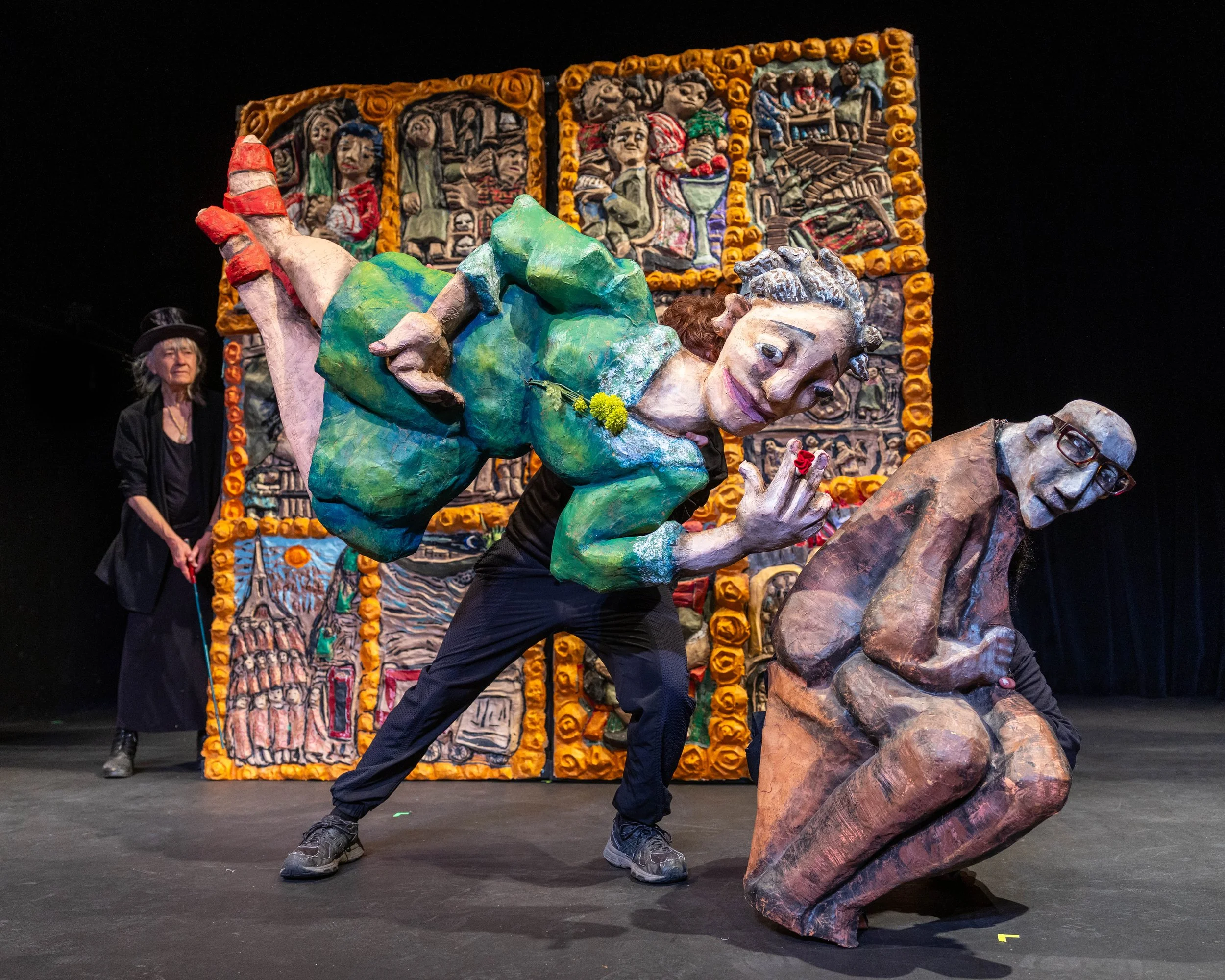
Hannah Arendt: a Cantastoria by Redwing Blackbird Theater (Puppetry)
When Sputnik achieved orbit in 1957, Hannah revised the introduction to the German edition of The Human Condition adding verses from Brecht’s glorification of the rapacious god, Baal. She feared that hubris would lead to abandonment of a world made uninhabitable by the privileged few. We appear to be near that juncture today. The humble art of puppetry is an antidote to the hubris pulling us toward an apocalyptic inferno.
“Hannah Arendt: a Cantastoria” unites Hanna’s words with the power of sung narrative & puppetry’s preverbal mystery. This is a joint effort with our audiences to reverse a potential political death spiral & to embrace our higher selves in the spirit of Hannah Arendt’s words made public & gifted to us all. The form is a continuation of itinerant picture performance, essential in ancient times as the travelling news of the day. Our paper mache sculpture is inspired by photos of pictorial clay reliefs covering the exterior walls of an ancient Burmese chapel. Our cardboard doors, through which the 6’ paper mache puppet of Hannah Arendt is pre-set to emerge, are inspired by the wooden sculpted doors of the Duomo in Florence, Italy where on Easter Sunday the triumphant statue of Christ emerges from the tomb. We are influenced by medieval passion plays, liberated by Bauhaus abstraction & inspired by the “crisis of the republic”.
Amy Trompetter (she/her) is a puppeteer, trumpeter, World Theater historian, teacher & community organizer. She founded Redwing Blackbird Theater in the late 90’s as a workshop and performance space in the Hudson Valley. Greg Corbino (he/him) is an OBIE award winning New York based designer specializing in puppetry, large-scale installation and performance in public space. His designs have been called “gorgeously baroque” by The New Yorker and “crafty and audacious” by The New York Times. Elsa Saade (she/her) is a multidisciplinary artist, doula and community mobilizer. Over the last decade, she has primarily been a musician, puppeteer and street performer with several political theaters including Bread and Puppet Theater and Redwing Blackbird Theater.
Today in the United States we are on a dangerous fast track as we watch our foundational religious, moral, political & philosophical pillars of support topple. Seeing our democracy in the process of disintegrating, we are informed & invigorated by Hannah’s daring penchant for “thinking without a bannister”! As theater workers, & specifically as politically activist puppeteers, we share a mandate with Hannah, to go beyond the private realm. Hannah Arendt, an exemplary thinker, brought her incisive, truth-seeking into the public sphere, thus we celebrate her uncanny gift for challenging obsolete modes of exchange & introducing fresh pathways of thinking!
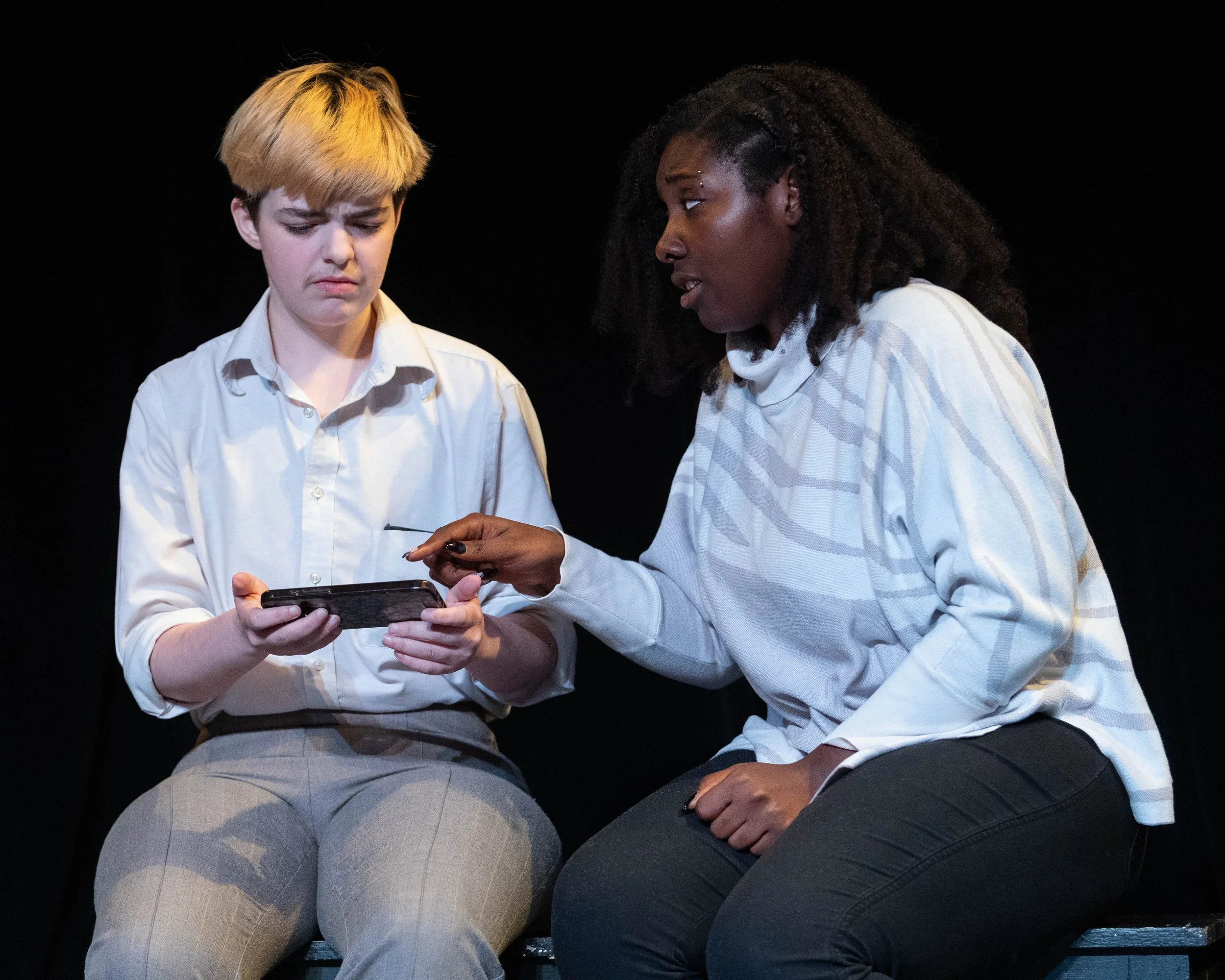
Living The Dream by Dylan Horowitz (Theater)
Lem is a trans man married to Damien, a cis man. Lem stays at home keeping the house while Damien works and goes on business trips. Everything seems good and happy until Bina, a stranger, reveals to Lem that his husband isn't entirely who he thinks he is. Can Lem confront the horrible reality presented to him or is this life too sweet to give up?
Dylan (Playwright - he/him & she/her) - Dylan Reed Berman Horowitz is a playwright out of New York City whose works include "Cuckoo?", "The Generation Curse", "Seance", and "Boat Spotting".
Hannah Arendt's philosophy, while not focused on gender, was heavily driven by two things: truth and authoritarianism. Authoritarian bodies often provide safety to people, a safety they need so badly they are willing to reject truth in order to maintain it. Such is what we show in this play. We perform a character being given sanctuary from an unkind world and ask whether or not they are strong enough to forego it.
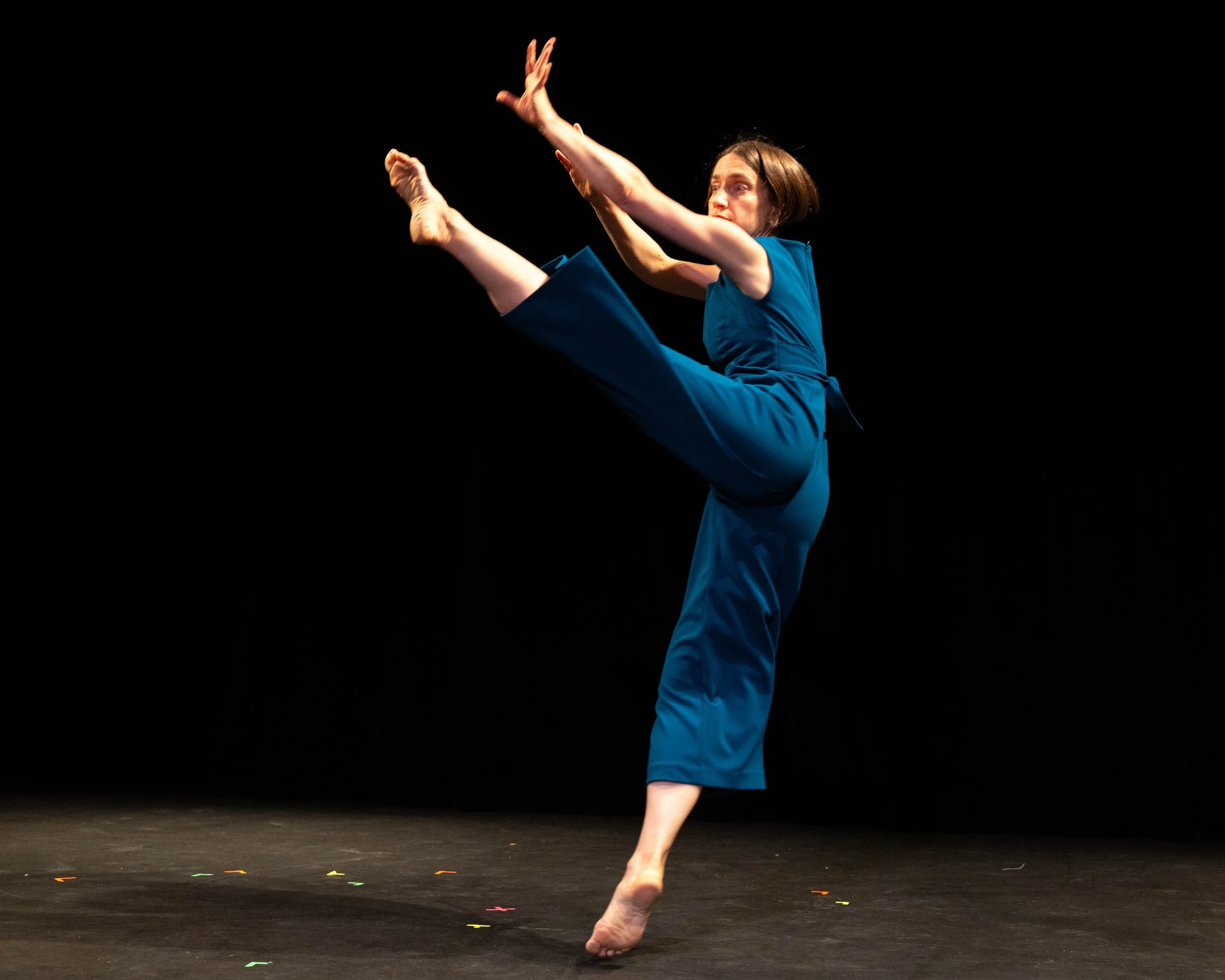
This Together by Rebecca Lloyd-Jones (Dance)
“This together” explores how to be present together -truly present- despite the knowledge of impermanence and impending doom. What do we choose to do with the awareness that the world is sinking, that we are not permanent, and that nothing is?
Rebecca Lloyd-Jones (She/her) is a NY based dancer and choreographer who creates live performances using movement, voices, and videos.
The piece is about choices we make, and is related to the theme of Banality of Evil by Hannah Arendt. As Arendt asserts, “great evils can be perpetrated not by fanatics or monsters, but by ordinary people who are thoughtless and complacent, simply following orders and conforming to the systems they are part of. The concept suggests that evil can be a result of a failure to think critically and empathize with others, allowing injustice to become a matter of routine, bureaucratic procedure” In the face of impending doom and the current state of the world (war, collapse of democracy, climate crisis, and impermanence/death) we must be present and not be half asleep to this moment, and be conscious of the choices we each make in life.
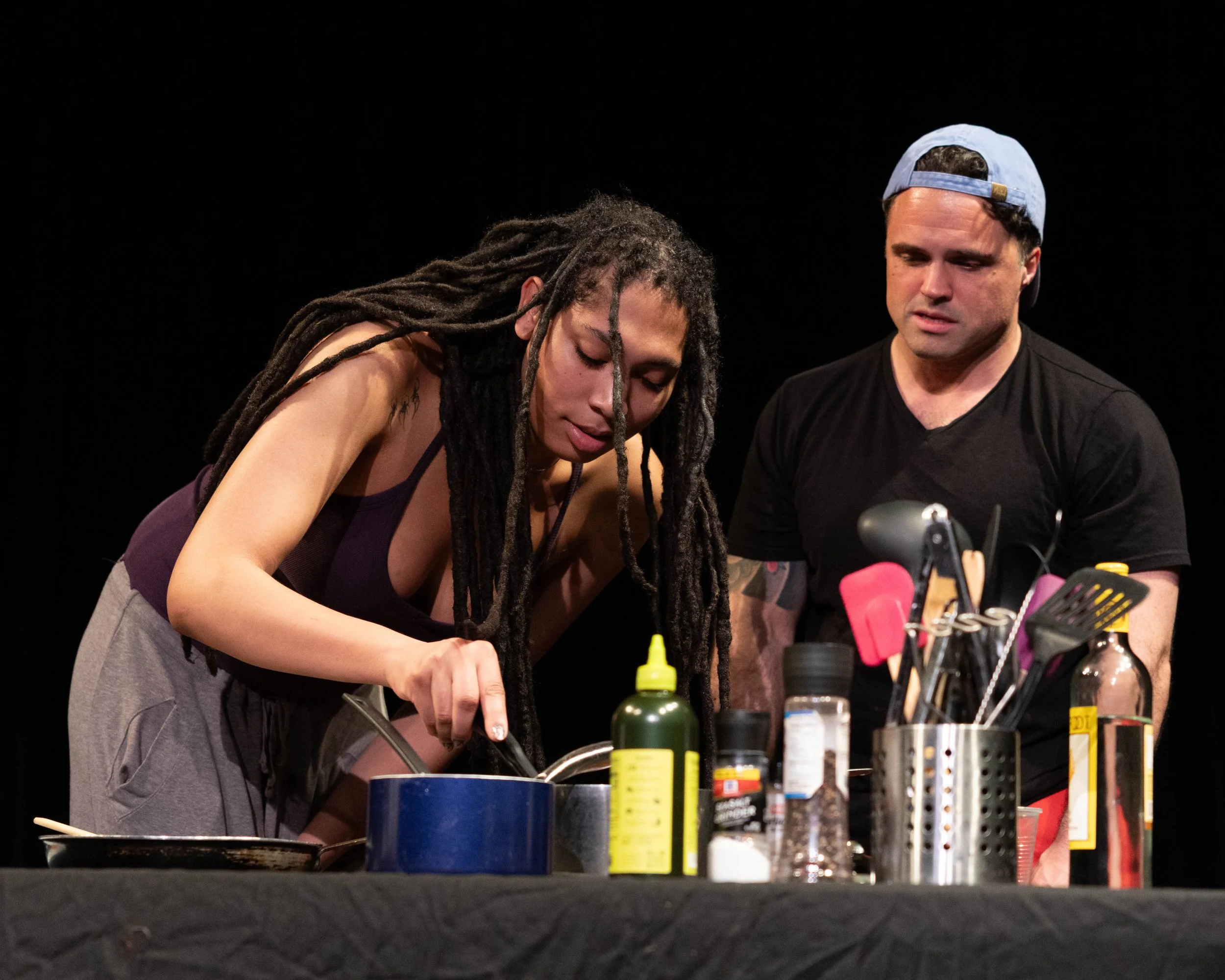
Small Things That Go Boom! by Marcus Harmon (Theater)
In a Brooklyn apartment during the volatile summer of 2020, two roommates are forced to confront their differing realities of privilege and safety as the sounds of a fracturing city threaten their sanctuary.
Marcus Harmon (he/him, Playwright) is an award-winning Brooklyn-based playwright and performer from Columbus, Ohio, whose work focuses on exploring social issues and the human experience through an emotionally grounded lens. Alexander Spears (he/him, Director/Lead Actor) is a New York City-based actor, director, and writer. He studied at the William Esper Studio under David Newer and Bruce McCarty. Alexander graduated from both the University of Texas at Austin and New York University. A special thank you to Marcus Harmon and Rob McCaskill. Qetsiya Babineaux (she/her, Lead Actress) A 24-year-old actor from Texas with Louisiana roots, Qetsiya Babineaux is a New York-based multidisciplinary artist and natural Leo who leverages her perspective as a Black trans woman to challenge community narratives through her work at The Tank, Theater Lab, and beyond..
The Public Sphere: The apartment serves as a "shelter from the outside world" , illustrating Arendt’s tension between the safety of private life and the "indignant pressure" of a violent political reality. Action and the Loss of Safety: Queenie’s statement that "part of a revolution is that safety becomes obsolete" mirrors Arendt’s belief that true political action requires the courage to leave one's private sanctuary. Plurality of Experience: The friction between Ivan’s "optimism" and Queenie’s "lived experience" reflects Arendt’s concept of plurality, where individuals inhabit the same world but see it through vastly different lenses of privilege and trauma..
The Sky is Green and The Grass is Blue (Excerpt) by DoubleTake Dance Company (Dance)
Sections 2, 3 and 4 of a contemporary dance work based on the concept of Willful Ignorance. Willful Ignorance is often used in psychology as well as criminal law, to address those who lack the information or facts because they refuse to acknowledge them. It's useful and safe to avoid resolving an issue by convincing oneself about their inexistence. This is a technical and athletic piece that explores soft, peaceful and organic movements, against, and in conjunction with fast and sharper ones, showcasing the contradiction in one's mind.
Ashley Carter and Vanessa Martínez de Baños are co-directors and choreographers of DoubleTake Dance; a NYC-based contemporary company in its 16th year. Vanessa Martínez de Baños (co-director, co-choreographer), Jenna McNeill (dancer), Pear Spanna (dancer), Maggie Fischer (dancer), Madison Meredith (dancer), Paige Finley (dancer).
Hannah Arendt has ideas about truth as well as truth in politics. The willful ignoring of truth as well as its involvement with the approach to politics is well aligned with our work in this piece. She also talks about concepts surrounding human nature, which factor greatly into the narrative.

The International Human Rights Art Movement was thrilled to receive a National Endowment of the Arts grant to produce work around the American hero Hannah Arendt (as designated by Donald Trump, Executive Order 13978, January 18, 2021). She was chosen as one of 244 heroes from American history to be so honored.
Specifically, we looked for performance work along the following themes, which defined some of her most important ideas. You may agree, disagree or opine as you like - it is about the conversation!
Banality of Evil: Arendt asserts that great evils can be perpetrated not by fanatics or monsters, but by ordinary people who are thoughtless and complacent, simply following orders and conforming to the systems they are part of. The concept suggests that evil can be a result of a failure to think critically and empathize with others, allowing injustice to become a matter of routine, bureaucratic procedure. “The transformation of the family man from a responsible member of society, to a ‘bourgeois’ concerned only with his private existence and knowing no civic virtue, is an international modern phenomenon. The exigencies of our time can at any moment transform him into the mob man and make him the instrument of whatsoever madness and horror.”
Refugees: “The calamity of the right-less [refugee] is not that they are deprived of life, liberty, and the pursuit of happiness, or of equality before the law and freedom of opinion—formulas which were designed to solve problems within given communities—but that they no longer belong to any community whatsoever. Their plight is not that they are not equal before the law, but that no law exists for them.”
Human Rights: “The Rights of Man had been defined as ‘inalienable’ because they are supposed to be independent of all governments; but it turns out that the moment human beings lack their own government and have to fall back on their minimum rights, no authority is left to protect them and no institution is willing to guarantee them.”
Totalitarianism: “Masses are attracted by every effort which seems to promise a man-made fabrication of the Paradise they had longed for and of the Hell they had feared. The stability of the totalitarian regime depends on the isolation of this fictitious world of the movement from the outside world.”
Truth: “Factual truth, ignores it happens to oppose a given group’s profit or pleasure, is greeted today with greater hostility than ever before . . . Throughout history, the truth-seekers and truth-tellers have been aware of the risks of their business: as long as they did not interfere with the course of the world, they were covered with ridicule, but he who forced his fellow citizens to take him seriously by trying to set them free from falsehood and illusion was in danger of their life.”
Truth and Politics: “No one has ever doubted that truth and politics are on rather bad terms with each other and no one, as far as I know, has ever counted truthfulness among the political virtues . . . Seen from the viewpoint of politics, truth has a despotic character. It is therefore hated by tyrants, who rightly fear the competition of a coercive force they cannot monopolize, and it enjoys a rather precarious status in the eyes of governments that rest on consent and abhor coercion.”
Free Will: “When there is no possibility of resistance, there exists the possibility of doing nothing . . . It is this possibility of non-participation that is decisive if we begin to judge, not the system, but the individual.”
Human Nature: “Human's 'nature' is only 'human' insofar as it opens up to [a person] the possibility of becoming something highly unnatural, that is, a human . . . It is quite conceivable, and even within the realm of practical political possibilities, that one fine day a highly organized and mechanized humanity will conclude quite democratically—namely by majority decision—that for humanity as a whole it would be better to liquidate certain parts thereof.”
Discrimination/Segregation: Arendt had controversial ideas around the discrimination and segregation that she saw in the United States. While she was passionate in her belief that the political and private spheres should remain fiercely egalitarian - from the right to marry who you like to the right to sit where you want and have access to all public spheres - she was against forced school desegregation, as well as for the right of private clubs to exclude “others” from their midst (all-Jewish dining clubs; all Christian country clubs, all-Black book clubs etc.). “Discrimination is as indispensable a social right as equality is a political right. The question is not how to abolish discrimination, but how to keep it confined within the social sphere, where it is legitimate, and prevent its trespassing on the political and personal sphere, where it is destructive.” To learn more about her ideas on discrimination and segregation, please visit THIS PAGE.
Biography: Hannah Arendt was born into a German-Jewish family, was forced to leave Germany in 1933, and lived in Paris for the next eight years, working for a number of Jewish refugee organizations. In 1941 she immigrated to the United States and soon became part of a lively intellectual circle in New York. She held a number of academic positions at various American universities until her death in 1975. More biographical information HERE.
For further information on Hannah Arendt,
please visit the
Hannah Arendt Center at Bard College