
Solidarity—Meet the Authors (Part 1)
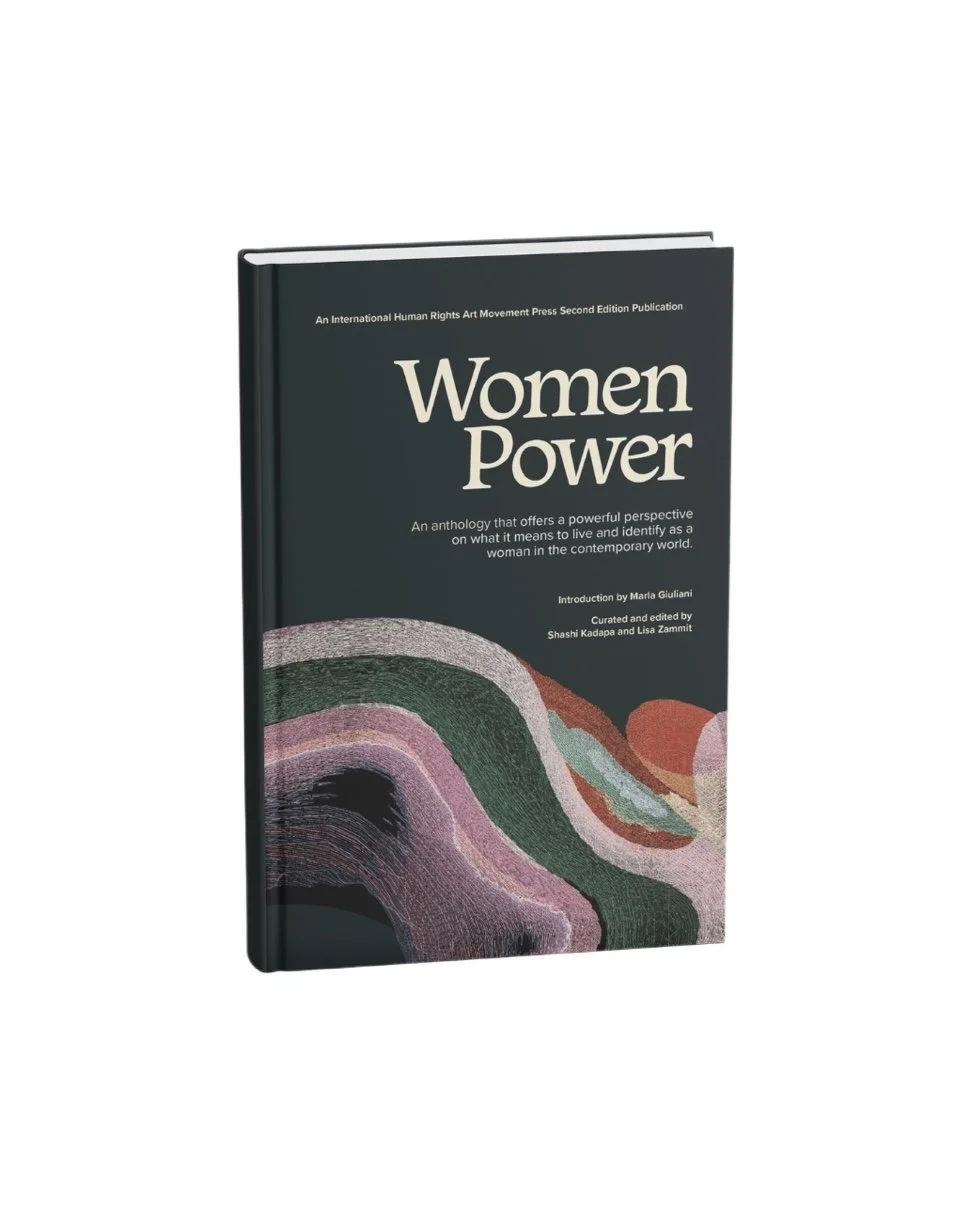
What makes them write? The writers of our upcoming title “Solidarity,” have responded. Inside the Writing Process is an on-going series dedicated to revealing what inspires and influences our contributors’ writing and beliefs because IHRAM Press is dedicated to diversity, community, and representation.
Meet Ava, Sam, and more of our inspired writers: for them, writing is about vulnerability, equity, and resistance; stories that refuse to stay silent.
Ava Homa, United States, “To the Forest of Saplings”
Ava is the author of “Daughters of Smoke and Fire” (HarperCollins & Abrams), a finalist for the William Saroyan International Prize and a Roxane Gay Book Club pick. Her short fiction collection, “Echoes from the Other Land,” was nominated for the Frank O’Connor International Short Story Award. Her poems, essays, and stories have appeared in the Literary Hub, The New Statesman, The Literary Review of Canada, The Globe and Mail, and numerous anthologies. Ava is an Assistant Professor at California State University, Monterey Bay, and is a 2023–24 California Arts Council Fellow. Learn more at www.AvaHoma.com
What compels you to pick up a pen or open your laptop to free-write? And what inspires/influences your writing, particularly when it comes to addressing human rights issues? I try to give voice to what gets overlooked because I was born and raised during war, ethnic and gender oppression and experienced oppression and voicelessness in my bones. They're still in this body.
How does your intersectionality influence your view of the world (your personal beliefs, gender expression, religious affiliations, etc.)?Being a Kurdish writer is about rebirth and resistance.The precarious life of Kurds has traveled through history and will continue to do so. If I do what I know how to do, at the very least, I can show that even in the age of nation-states, stateless Kurds matter and we are as complicated, important, imperfect, funny, and fascinating as any other group of humans. Perhaps if we are reminded of our humanity—of Kurds, of everyone—we can create global policies that reflect that.
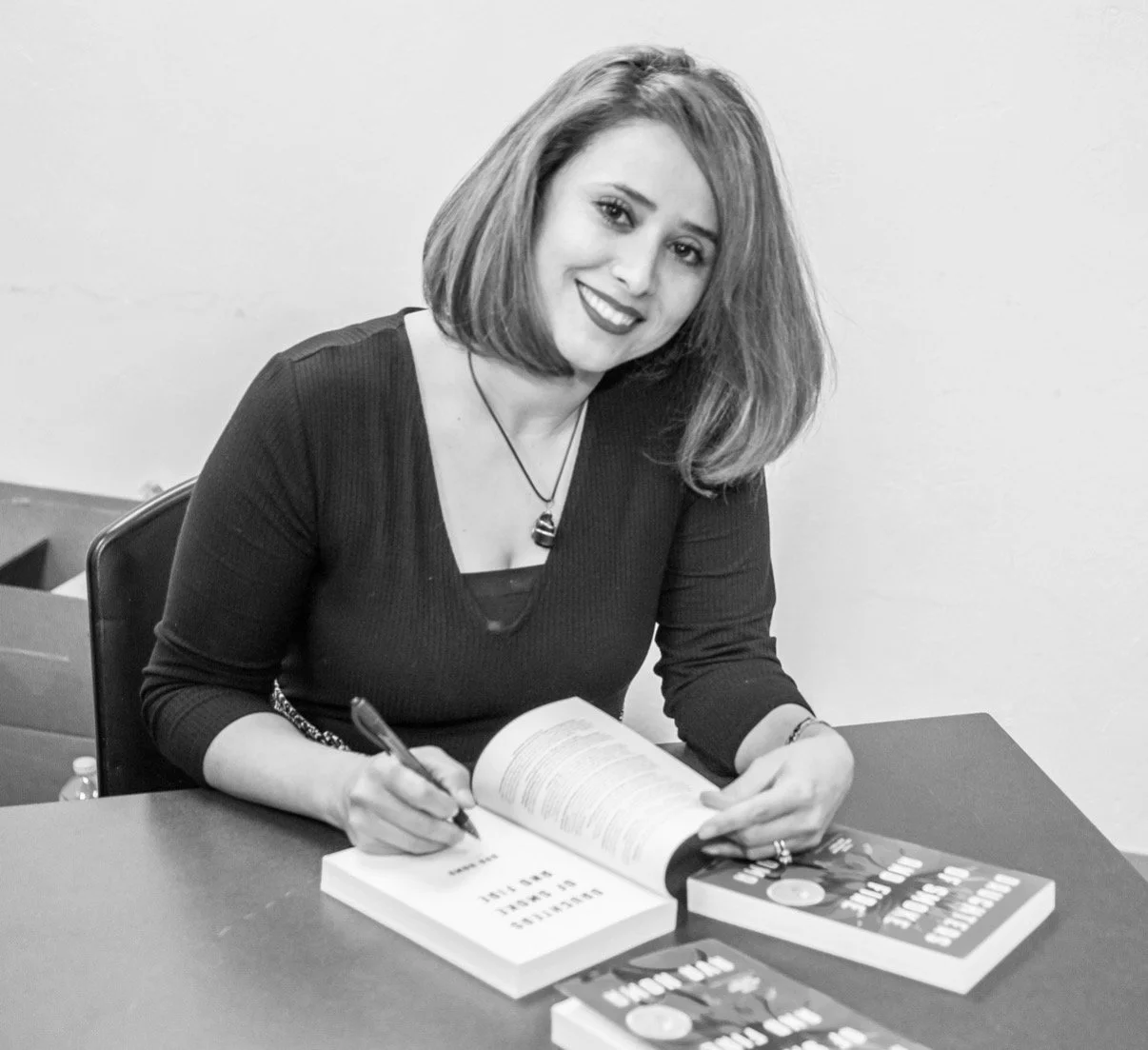
Sam Abellanosa, Philippines, “Silent Resonance”
Sam is a Filipino writer from Bohol, Philippines. Writing had long been a distant aspiration for her, but, as she stepped into the realities of life, she discovered a voice she never imagined she had. She partakes in conversations about love, possibilities, and the nuances of human thought and emotions. Her writings are fueled by experiences that shaped her, drawn from both learning and unlearning the beliefs she once held, and from quietly observing life in communities often overlooked. Through her work, she hopes to show resistance and speak about the struggles of those on the edges of society.
What compels you to pick up a pen or open your laptop to free-write? And what inspires/influences your writing, particularly when it comes to addressing human rights issues?What compels me to pick up a pen or open my laptop to free-write is the rediscovery of something I once left behind. Writing has always been an aspiration of mine, but I walked away from it for years because of self-doubt. Now, coming back to it gives me hope—it reminds me that writing can be a powerful form of expression and a platform to create change in this chaotic world.
Personally, what inspires and influences my writing, especially when addressing human rights issues, is what I see and feel every day. Witnessing the injustices in my country has pushed me to be more intentional with what I write. The daily lives and struggles of Filipinos continue to move me, and they motivate me to use writing as a way to speak about and advocate for human rights.
How does your intersectionality influence your view of the world (your personal beliefs, gender expression, religious affiliations, etc.)?My intersectionality has shaped how I understand and experience the world. Growing up in a low-income family has set certain limits on my experiences. I never fully understood why my family or my community was not as developed as the cities I saw on television, but as I ventured through life, it occurred to me that these realities are shaped by many factors, especially the system.
My experiences as a woman in this society have also made me realize that there is still a long way to go. Fighting for women’s rights has not been easy, and I am grateful for the women who came before me because they opened my eyes to the true capabilities and role of a woman in society.
Because of these experiences, I tend to look at the bigger picture, what is really happening in the background and the roots of the issues that arise. It has made me more empathetic toward fellow Filipinos and more aware of the realities we face.
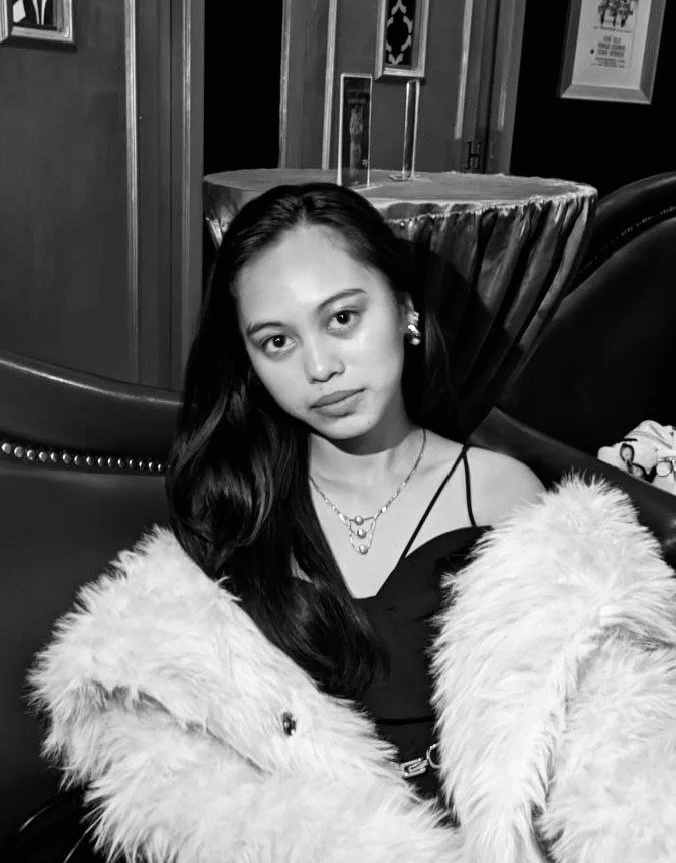
Gloria Ogo, United States, "Bullets for Supper”
Gloria is an American-based Nigerian writer with several published novels and poetry collections. Her work has appeared in Eye to the Telescope, Brittle Paper, Spillwords Press, Metastellar, Gypsophila Magazine, Harpy Hybrid Review, Allegro Poetry Magazine, among others. She holds an MFA in Creative Writing and serves as a reader for Reckoning Magazine. She was the winner of the 2024 Brigitte Poirson Literature Prize and a finalist for the 2024 Jerri Dickseski Fiction Prize and the 2025 Rhonda Gail Williford Poetry Prize. Her work was longlisted for the 2025 American Short(er) Fiction Prize. You can find her at: https://glriaogo.wixsite.com/gloria-ogo.
What compels you to pick up a pen or open your laptop to free-write? And what inspires/influences your writing, particularly when it comes to addressing human rights issues?What compels me to write is often a sense that certain stories, questions, or injustices cannot remain unexamined. Writing becomes a way to process and interrogate the world around me, particularly the structures of power, inequality, and historical forces that shape people’s lives. When I sit down to free-write, it is usually driven by a need to explore ideas that feel urgent or unresolved, whether they come from personal observation, historical reflection, or broader political and social developments. In terms of influence, my writing is shaped by scholarship in history, political economy, and international relations, as well as by narratives of resistance and survival found in communities confronting injustice. Human rights issues, in particular, compel a deeper level of engagement because they reveal the tension between ideals on dignity, equality, freedom, and the realities many people face. Writing allows me to examine those contradictions, ask difficult questions, and contribute, even in a small way, to ongoing conversations about accountability, justice, and the possibility of meaningful social change.
How does your intersectionality influence your view of the world (your personal beliefs, gender expression, religious affiliations, etc.)?My intersectionality shapes my worldview by grounding it in both personal experience and structural awareness. As a woman and as someone shaped by my cultural background and faith, I am attentive to how social norms and institutional power intersect in everyday life, whether in education, professional spaces, or public discourse.
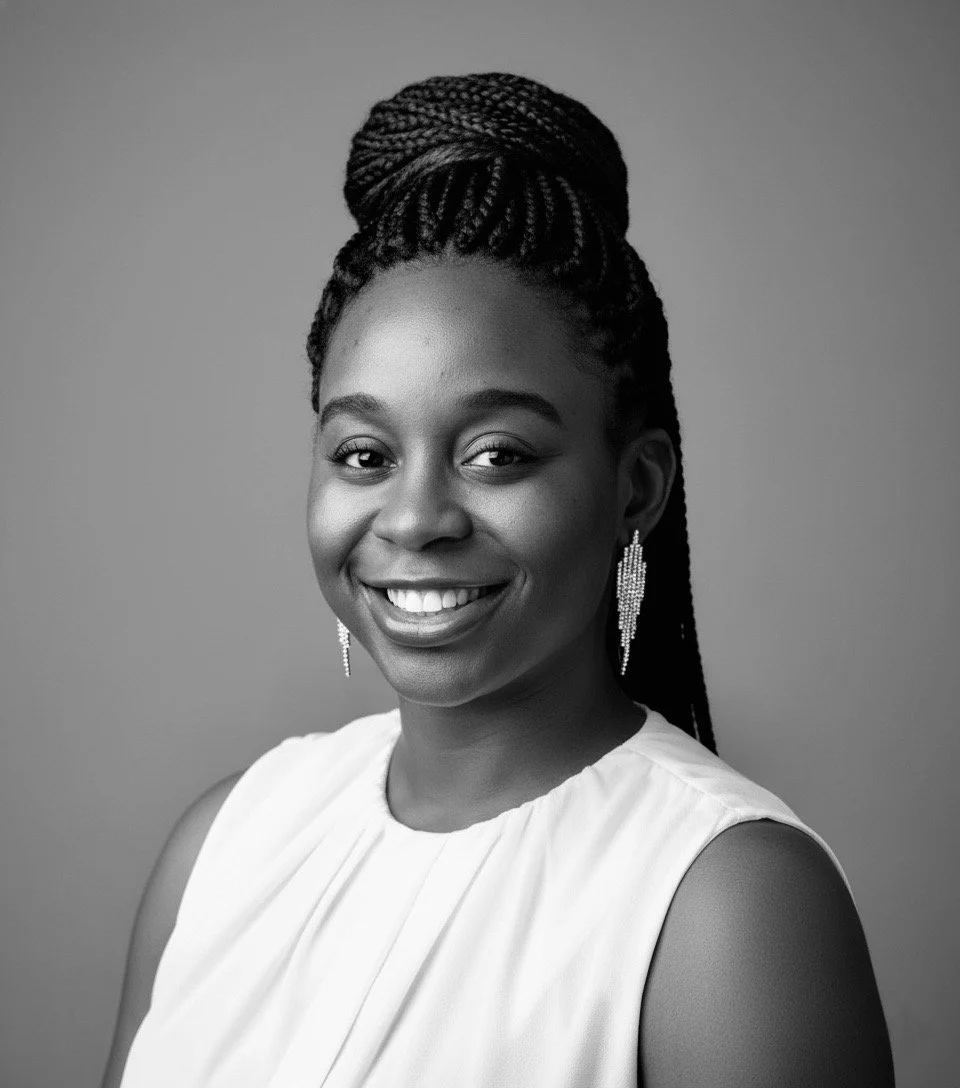
Śivani Howe, Canada, “To Speak the World Alive”
Śivani is the author of the poetry collection, “THIS Is Written in the Stars.” In 2025, Howe was featured in “The Poetry Lighthouse II,” “Upon Learning That Anthologies,” IHRAM Press’ “Enduring Voices” (2025, Quarter 3), The Turning Leaf Journal, The Hemlock Journal, and Andorinha Press. She currently resides with her family in the Purcell Mountains of British Columbia, Canada, and is pursuing her MA at Pacific Oregon University. You can learn more about Śivani here: https://www.sivanihowe.ca/press
What compels you to pick up a pen or open your laptop to free-write? And what inspires/influences your writing, particularly when it comes to addressing human rights issues?I pick up the pen because I believe this delicious life (everyone's delicious life) is worth honoring through art... and my art is language.
I feel that when human rights concerns are addressed, explored, and seen honestly through art, it is the best way to invoke the collective heart into right action—not through sensationalism, which pushes people away, but through honoring the reality. This awakens the heart into action.
Stay tuned on Instagram
Discover new stories from up-and-coming writers.
Join our movement in supporting underrepresented voices.