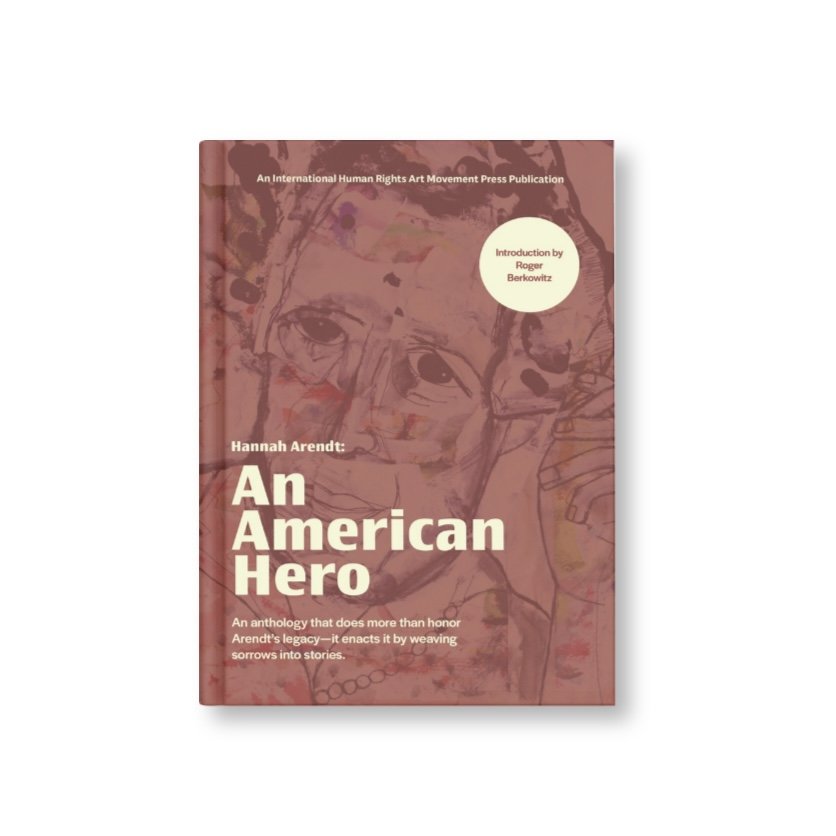

“Hannah Arendt: An American Hero”—Meet the Authors (Part 2)
What makes them write? The writers of “Hannah Arendt: An American Hero,” have responded. Inside the Collective is an on-going series dedicated to revealing what inspires and influences their writing and beliefs because the IHRAM Press is dedicated to diversity, community, and representation.
Meet Savita, Denoo, and the other writers: for them, writing is about vulnerability, equity, and resistance; stories that refuse to stay silent.
Savita Krishnamoorthy, India, “/‘klenziNG”
Savita Krishnamoorthy is an art historian, writer, and poet whose writing publications include The Times of India, Feminist Media Histories (University of California Press), and Black Embodiment Studio Journal. Savita is a cultural critic and reviewer for the International Examiner (Seattle). She is the author of “Mapping Home,” a poetry collection celebrating the magic of everyday moments. Her work centers identity, memory, and the power of language to resist erasure. Her poems have been featured in The Ravens Perch, MockingOwl Roost, and The Story Project 15.
What compels you to pick up a pen or open your laptop to free-write? And what inspires/influences your writing, particularly when it comes to addressing human rights issues? I write when something moves, inspires, or disturbs me—the beauty and messiness of everyday life as I experience it. Sometimes it is a moment of tenderness; other times it is an act of injustice that stirs anger. In those moments, writing becomes a way of bearing witness.
I write especially when my body cannot hold the dissonance of the ordinary and the troubling, and the physical act of writing is the only way to lance the festering wound and release the angst within.
Free writing is cathartic—an important part of the process to explore without judgment or expectation. Sometimes, if you are lucky, a few nuggets emerge to reveal hidden truths.
How does your intersectionality influence your view of the world (your personal beliefs, gender expression, religious affiliations, etc.)?I experience the world through two cultural lenses—as a South Asian woman born in India and living in the United States of America. I navigate the everyday within an Insider-Outsider paradigm.
My immigrant, diasporic body carries not only the histories of my culture and heritage, but it also carries the geography of place, memory, and belonging in spaces that are not always accessible.
Living between these two cultures has made me particularly aware of both connection and dissonance—of belonging and distance and the urgency of reclaiming my narrative.
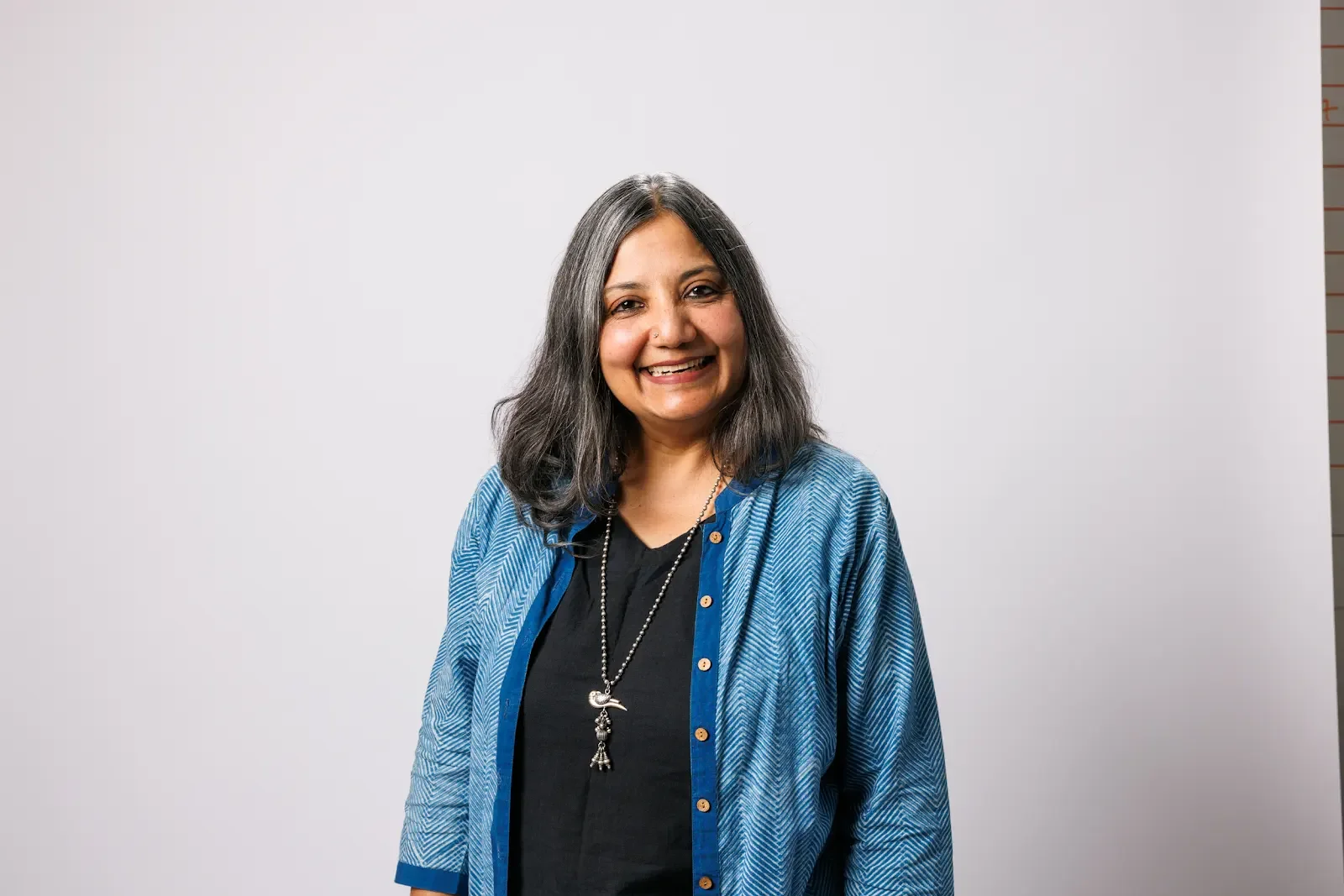
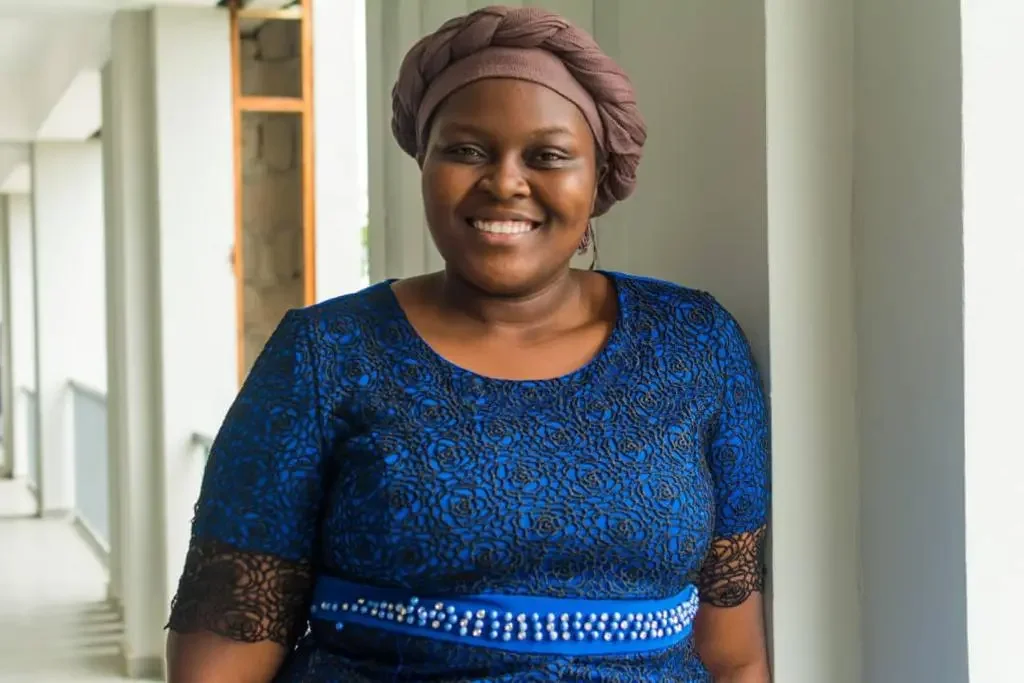
Denoo Edinam Yawo, Ghana, “In the Name of the Body”
Denoo Edinam Yawo is a Ghanaian poet/writer whose work delves into themes such as body, the politics of language, spirituality, and faith at the intersection of living. She is a 2025 Black Atlantic Residency Fellow, alumna of the Johannesburg Institute of Advanced Studies (JIAS) Creative Writing Workshop for Emerging Writers, and the 2025 CAINE Online Editing Program. She is also the winner of the 2025 New Voices Poetry Contest, 2024 Second Runner Up and the 2025 First Runner Up of the Adinkra Poetry Prize. Her works have appeared in/or are forthcoming in Rowayat, The Kalahari Review, Akpata Magazine, Akowdee Magazine, and others.
What compels you to pick up a pen or open your laptop to free-write? And what inspires/influences your writing, particularly when it comes to addressing human rights issues?According to Nina Simone, "an artist's duty, as far as I'm concerned is to reflect the times." As a writer, I try, as much as possible, to live by this notion. And this is what propels me to write. The duty to capture the social, political and emotional realities of the time that I am living in. The world, as it is, is incomplete in its telling. If we don't tell our stories, they will either be retold or erased. And we deserve to tell our stories. This also influences my writing. The need or ability to archive. I believe documentation matters and that by telling these stories, we can begin to imagine something different.
How does your intersectionality influence your view of the world (your personal beliefs, gender expression, religious affiliations, etc.)?My personal beliefs, gender expression, and affiliations are constantly in conversation, constantly informing how I move through the world and how I respond to it. I, just like many other people, live within tensions that cannot be easily resolved. This intersectionality has revealed the limits of the systems I live in, the issues of marginalization, and how to interpret questions of justice and voice.
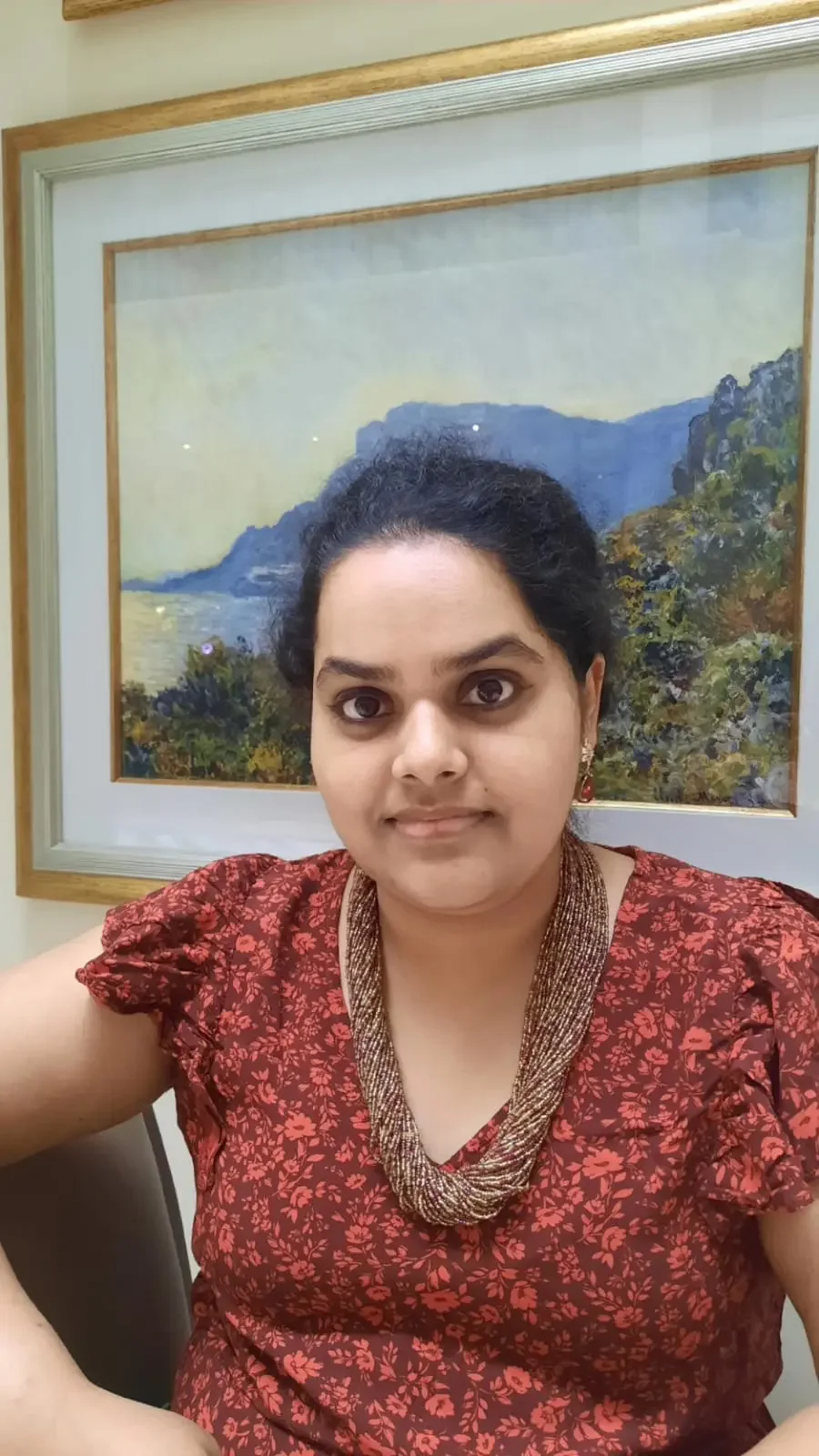
Vaishnavi Pusapati, India, “The Line that Moved”
Vaishnavi Pusapati is a physician-poet. Her work has appeared in over eighty journals such as BODY and Roanoke Review, among others. Her work has been anthologized in the Haiku Registry and the "Living Haiku Anthology." She is the winner of the Beyond Words Microfiction prize (2024). Her work has been nominated for the Touchstone Awards and the Best of the Net. She sometimes writes as an activist, sometimes in solidarity, and at other times, as a pure act of witness.
What compels you to pick up a pen or open your laptop to free-write? And what inspires/influences your writing, particularly when it comes to addressing human rights issues?Some stories and poems stay with me until I write them down. Writing is how I process my thoughts.
It has always been so, a comfort, a habit, an art form. Writing about human rights issues is important to me. I do not want to be a bystander, overlooking all this human suffering and simply walking away.
Through my stories, I hope to say that I will not forget the suffering I see and hear; I will ensure that it is remembered and that the truth of the victim is preserved.
How does your intersectionality influence your view of the world (your personal beliefs, gender expression, religious affiliations, etc.)?My perspective is shaped by the different roles and experiences that form my identity. These influences are not fixed but dynamic, changing as I learn from life and encounter new ideas and people. At different times, I may lean more strongly on one aspect of my experience than another.
These experiences shape how I observe the world and the kinds of stories that stay with me long enough to become writing. They also influence the way I approach themes such as identity, belonging, and human connection.
As a woman living within a diverse and complex society, I am especially aware of how identity and circumstance can shape the opportunities and challenges people encounter. This awareness often forms my empathy for different perspectives and encourages me to look closely at the small moments in which people's lives intersect.
In this way, my writing grows from a combination of personal experience, observation, and an ongoing effort to understand the world more fully.
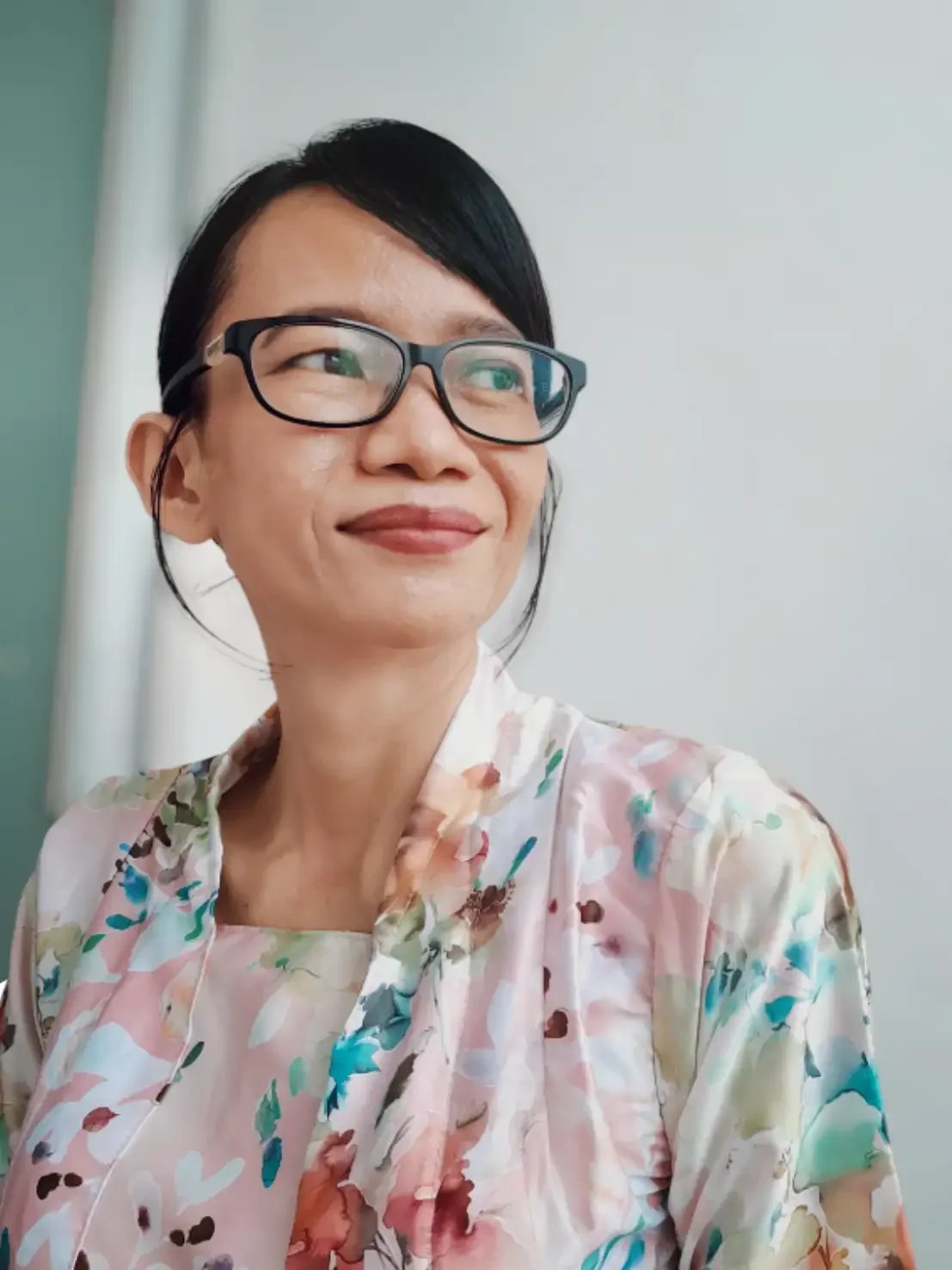
Cindy Wijaya, Indonesia, “A Silent Pedagogy and A Loud Rupture”
Cindy Wijaya is an Indonesian writer with a strong interest in Indonesian history, Minahasan culture, and social-political issues. Her work has appeared in several Indonesian national publications.
What compels you to pick up a pen or open your laptop to free-write? And what inspires/influences your writing, particularly when it comes to addressing human rights issues?I reach for a pen whenever a restless thought surfaces that I need to express. My motivation to write about human rights comes from my own experiences of injustice. Having been bullied for being part of a minority group and subjected to sexual abuse, I feel compelled to express these experiences through writing. Beyond that, I draw inspiration from wider social and cultural contexts I observe.
How does your intersectionality influence your view of the world (your personal beliefs, gender expression, religious affiliations, etc.)?Coming from a Minahasan cultural background, with its strong anti-feudal ethos, made me particularly sensitive to hierarchical structures and critical of environments where rigid hierarchies still persist. At the same time, my experience as a woman in a patriarchal society has meant encountering everyday forms of dismissal and gender-based inequality. These intersecting experiences shape my perspective on injustice, power relations, and human rights, and they often find their way into my writing, whether intentionally or simply as a natural extension of how I see the world.
Stay tuned on Instagram
Discover new stories from up-and-coming writers.
Join our movement in supporting underrepresented voices.