
Our Roots—Why Create Art for Social Change?(Part 3)
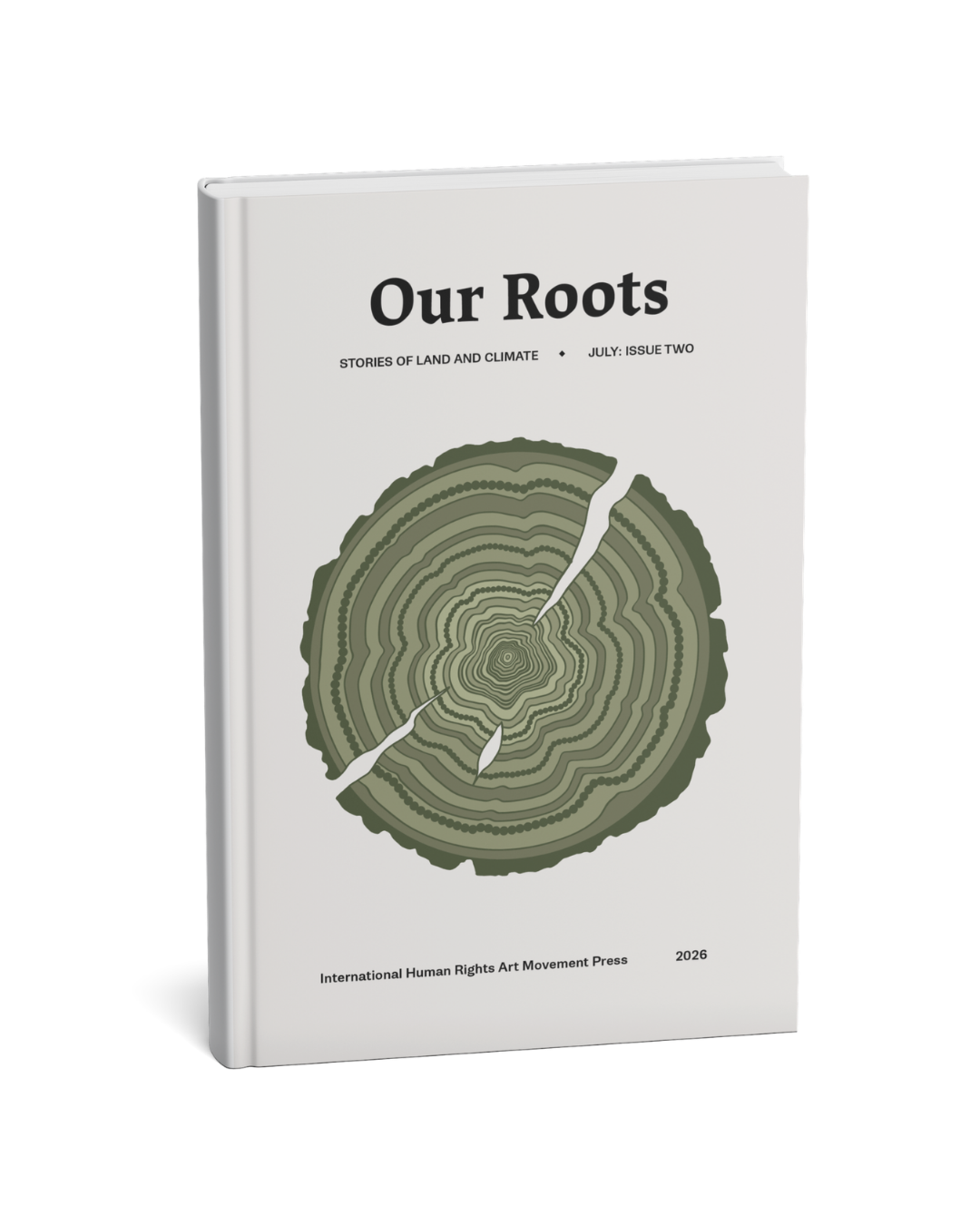
What makes them create? The writers and artists of our recently released magazine, “Our Roots: Stories on Land and Climate,” have responded. Inside the Creative Process is an on-going series dedicated to revealing what inspires and influences our contributors’ writing and beliefs because IHRAM Press is dedicated to diversity, community, and representation.
Meet Chrispeace, InoPtah, and more of our inspired contributors: for them, creating is about vulnerability, memory, and resistance; the danger of complacency.
Chrispeace Mukonyo Mutunga, Kenya, “Baobab’s Last Witness”
Chrispeace is a Kenyan writer whose work confronts injustice, suffering, identity, and the unfinished stories that risk being overlooked or forgotten. Shaped by an environment where tradition and change continually meet, Chrispeace sees identity as complex and intersectional, influenced by the languages and communities around us. She believes healing starts in the soil, our stories, our hearts, our vegetation, trees, animal and human lives, and in our actions toward nature. That we can still plant again in this life and build our better tomorrow.
The human rights concerns addressed in "Our Roots: Stories of Land and Climate." How do you navigate the balance between highlighting these challenges and maintaining a sense of hope or optimism in your writing? I name the complexity and suffering clearly and without softening it, then root the piece in the human capacity for resilience, connection, knowledge acquisition and hope. Hope is not forced optimism but rather, it emerges from the act of witnessing and from the small, persistent acts of dignity that survive even in difficult conditions.
How do you personally connect with our mission? Particularly on the power of art and literature to influence social change, and our values of beauty as a fundamental creative principle, sincerity, vulnerability, celebrating diversity, and opening doorways of engagement.I believe that both art and literature can shift how people see and feel about injustice more powerfully than argument alone. IHRAM’s values of beauty, sincerity, vulnerability, diversity and engagement match how I write. While writing I always and usually aim for an honest and carefully crafted work that invites readers into another’s experience rather than lecturing them. That shared doorway is where change begins.
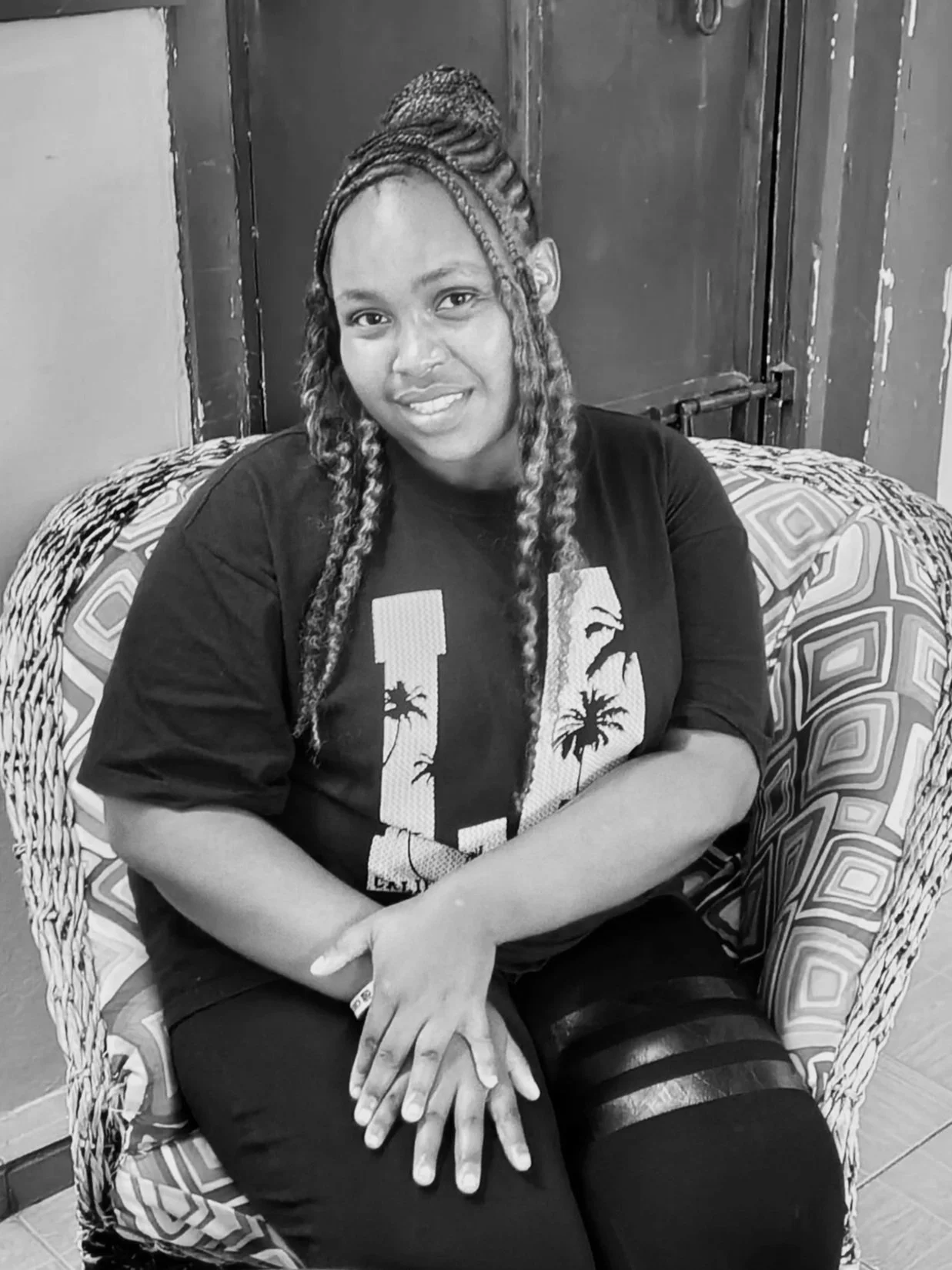
Click Chrispeace’s photo to learn more about her
InoPtah, Moldova, “Old Rules” & “New Homes”
InoPtah is an artist from Moldova who works under a pseudonym. Their work is inspired by the full complexity of life, from joy and love to pain, injustice, war, displacement, and the search for home. Having found both literature and art to be a source of hope in the face of early hardship, they believe that beauty can emerge from suffering and that one person's story can become a source of healing for another. InoPtah typically addresses themes of ecology, racial equality, women’s rights, and freedom of speech. Metaphors and multi-layered imagery play a significant role in their art, creating depth of meaning.
The human rights concerns addressed in "Our Roots: Stories of Land and Climate." How do you navigate the balance between highlighting these challenges and maintaining a sense of hope or optimism in your writing? It was literature and art that once served as a remedy for the despair and injustice I experienced far too early in life. I believe that as long as people are capable of creating beauty, there will always be hope in this world. Any pain can become the foundation for something healing. And perhaps your very own saddest story will become a saving ray of sunshine in the darkness for someone else. That’s what helps me stay afloat.
How do you personally connect with our mission? Particularly on the power of art and literature to influence social change, and our values of beauty as a fundamental creative principle, sincerity, vulnerability, celebrating diversity, and opening doorways of engagement.All my life I have been writing and drawing, trying to grasp something invisible and give it form. I am still far from my ideal. But the path of the creator is perfect in and of itself, so I keep going. I live by the belief that my art and worldview matter to someone, that someone will find a deeper meaning in them. And I want to believe that, through my art, more and more people will reflect on their own and others’ human rights, on war and peace, on emigration and the home we take for granted. On things that aren’t always easy to discuss: our shared pain and hope.
Click InoPtah’s photo to learn more about her
Melissa Ramage, Scottland/Malta, “The Tree”
Melissa is a Scottish born writer whose work is inspired by the possibility of seeing the world from perspectives beyond our own. As a migrant who has experienced successful integration, they are conscious of their own privilege while remaining attentive to the inequalities, discrimination, and difficult experiences faced by others. She believes writing can give people a way to speak about what happens behind closed doors and that every person deserves to be heard.
The human rights concerns addressed in "Our Roots: Stories of Land and Climate." How do you navigate the balance between highlighting these challenges and maintaining a sense of hope or optimism in your writing? It's a very fine line that can often be blurred but in the blurring you can hit a spot -more often than not, just write from the heart.
How do you personally connect with our mission? Particularly on the power of art and literature to influence social change, and our values of beauty as a fundamental creative principle, sincerity, vulnerability, celebrating diversity, and opening doorways of engagement.It is not the case for me personally but the fact that people can speak up about inequality, discrimination and so on via a pen name is the best way to show the world of what is happening behind closed doors or social media.
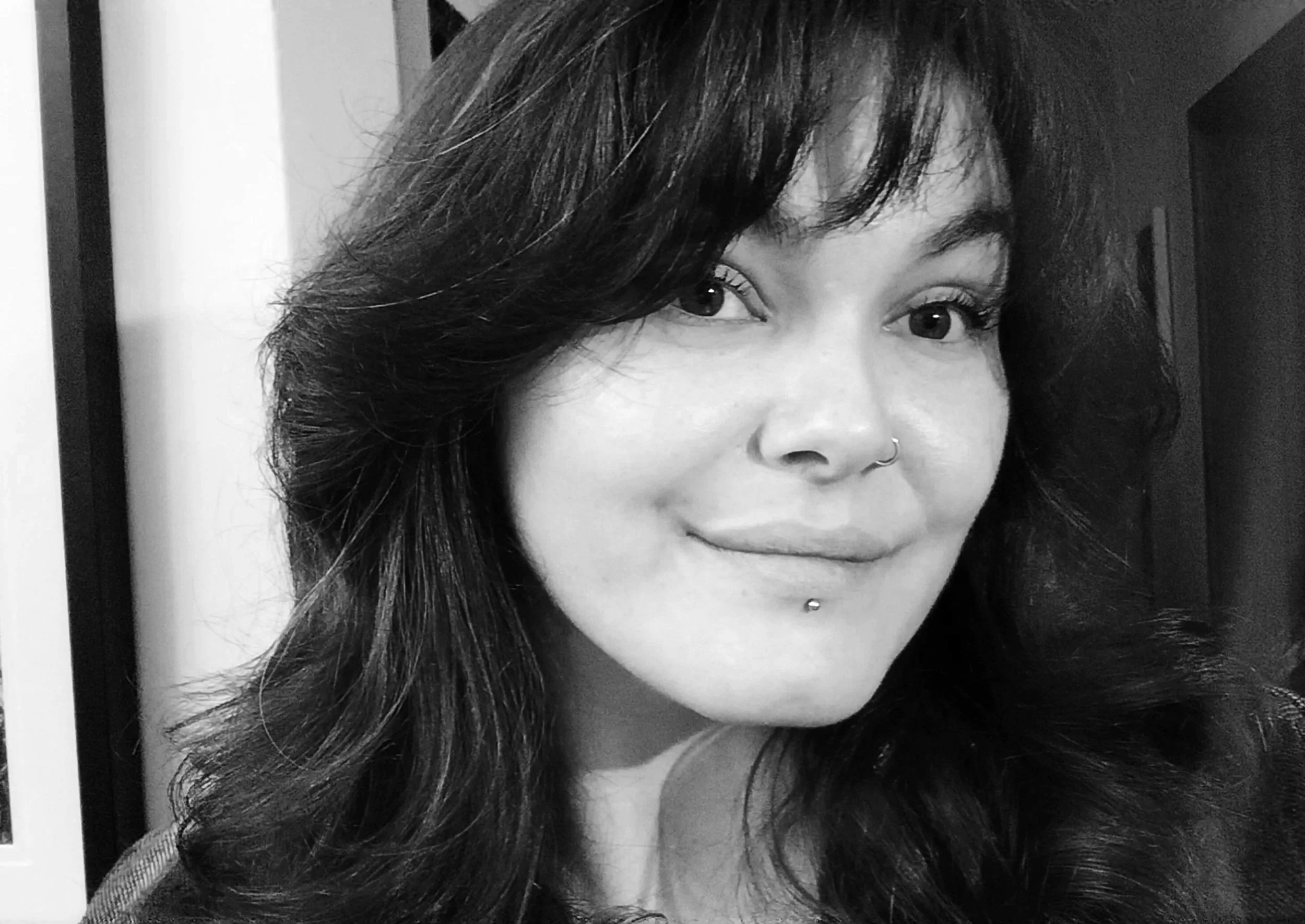
Click Melissa’s photo to learn more about her
Ewan Wáash, Argentina, “Phototropism”
Ewan is a Argentinian writer whose work is rooted in the shared human experience, exploring hope, humility, nature, and the wonder found in everyday life. They believe art emerges from a place of connection that reminds us of what we share, while hope is not passive but something we actively create and carry forward. Deeply influenced by the natural world, Ewan writes with a growing awareness of the people, places, and experiences that shape our understanding of one another.
The human rights concerns addressed in "Our Roots: Stories of Land and Climate." How do you navigate the balance between highlighting these challenges and maintaining a sense of hope or optimism in your writing? "Hope is an active word", I was told recently.
How do you personally connect with our mission? Particularly on the power of art and literature to influence social change, and our values of beauty as a fundamental creative principle, sincerity, vulnerability, celebrating diversity, and opening doorways of engagement.Art comes from the shared heart of humanity, a primordial, original point where we're all the same.
Click Ewan’s photo to learn more about her
Stay tuned on Instagram
Discover new stories from up-and-coming writers.
Join our movement in supporting underrepresented voices.