
Our Roots—Meet the Meet the Writers & Artists (Part 3)
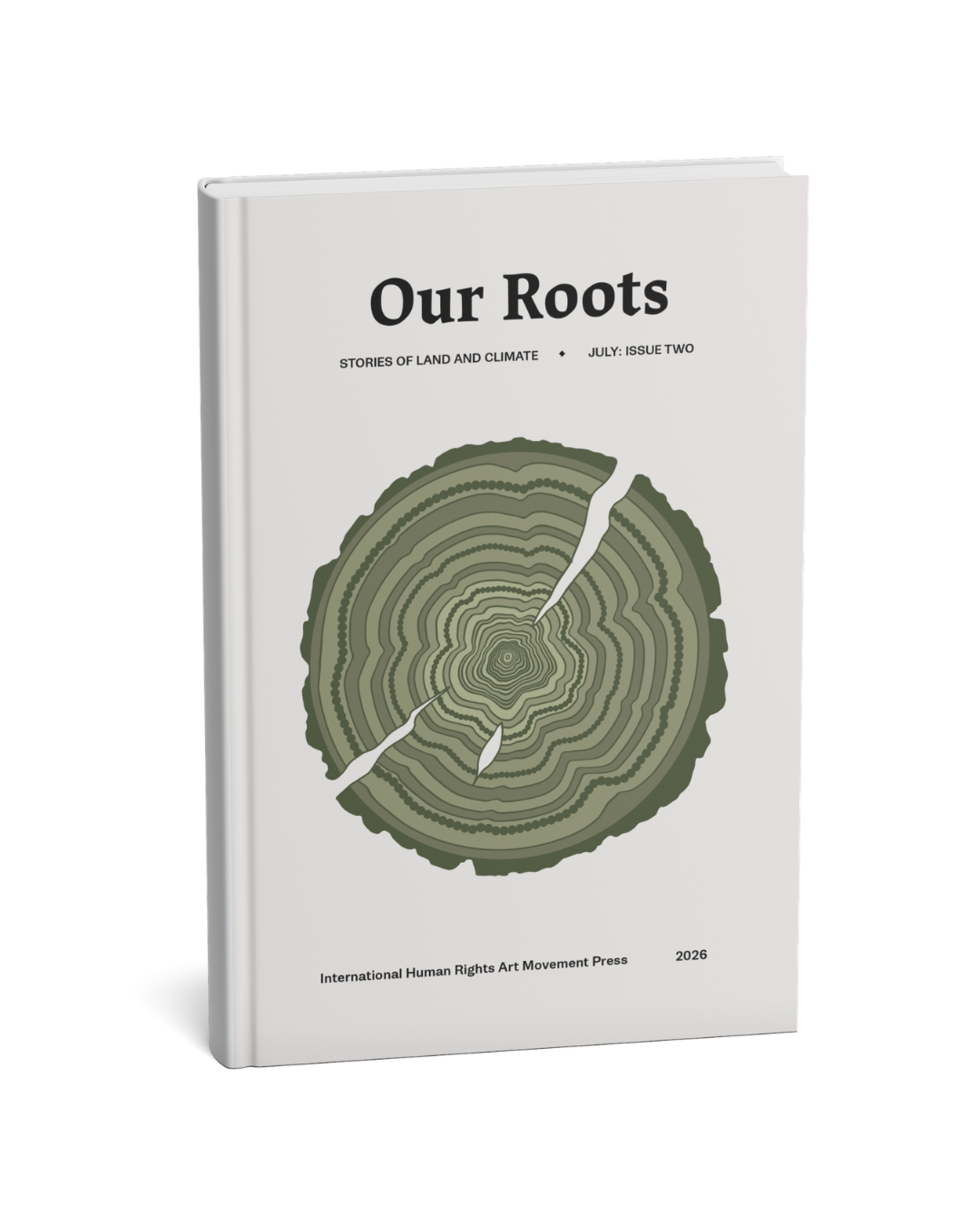
What makes them create? The writers and artists of our recently released magazine, “Our Roots: Stories on Land and Climate,” have responded. Inside the Creative Process is an on-going series dedicated to revealing what inspires and influences our contributors’ writing and beliefs because IHRAM Press is dedicated to diversity, community, and representation.
Meet Chrispeace, InoPtah, and more of our inspired contributors: for them, creating is about vulnerability, memory, and resistance; the danger of complacency.
Chrispeace Mukonyo Mutunga, Kenya, “Baobab’s Last Witness”
Chrispeace is a Kenyan writer whose work confronts injustice, suffering, identity, and the unfinished stories that risk being overlooked or forgotten. Shaped by an environment where tradition and change continually meet, Chrispeace sees identity as complex and intersectional, influenced by the languages and communities around us. She believes healing starts in the soil, our stories, our hearts, our vegetation, trees, animal and human lives, and in our actions toward nature. That we can still plant again in this life and build our better tomorrow.
What compels you to pick up a pen or open your laptop to free-write? And what inspires/influences your writing, particularly when it comes to addressing human rights issues? I write and make art today because the world still tries to look away and I refuse to let that happen therefore, the itch that only ink from a pen can scratch, the raw, unfiltered peoples' history and their unfinished stories become my fuel to writing and I always try to do this before the world polishes it away.
How does your intersectionality influence your view of the world (your personal beliefs, gender expression, religious affiliations, etc.)?Intersectionality is the lens that turns observation into empathy. My overlapping identities don’t just coexist, they question each other. That internal dialogue, makes me notice what others overlook and this gives me the drive to write from the places where belonging and differences meet.
InoPtah, Moldova, “Old Rules” & “New Homes”
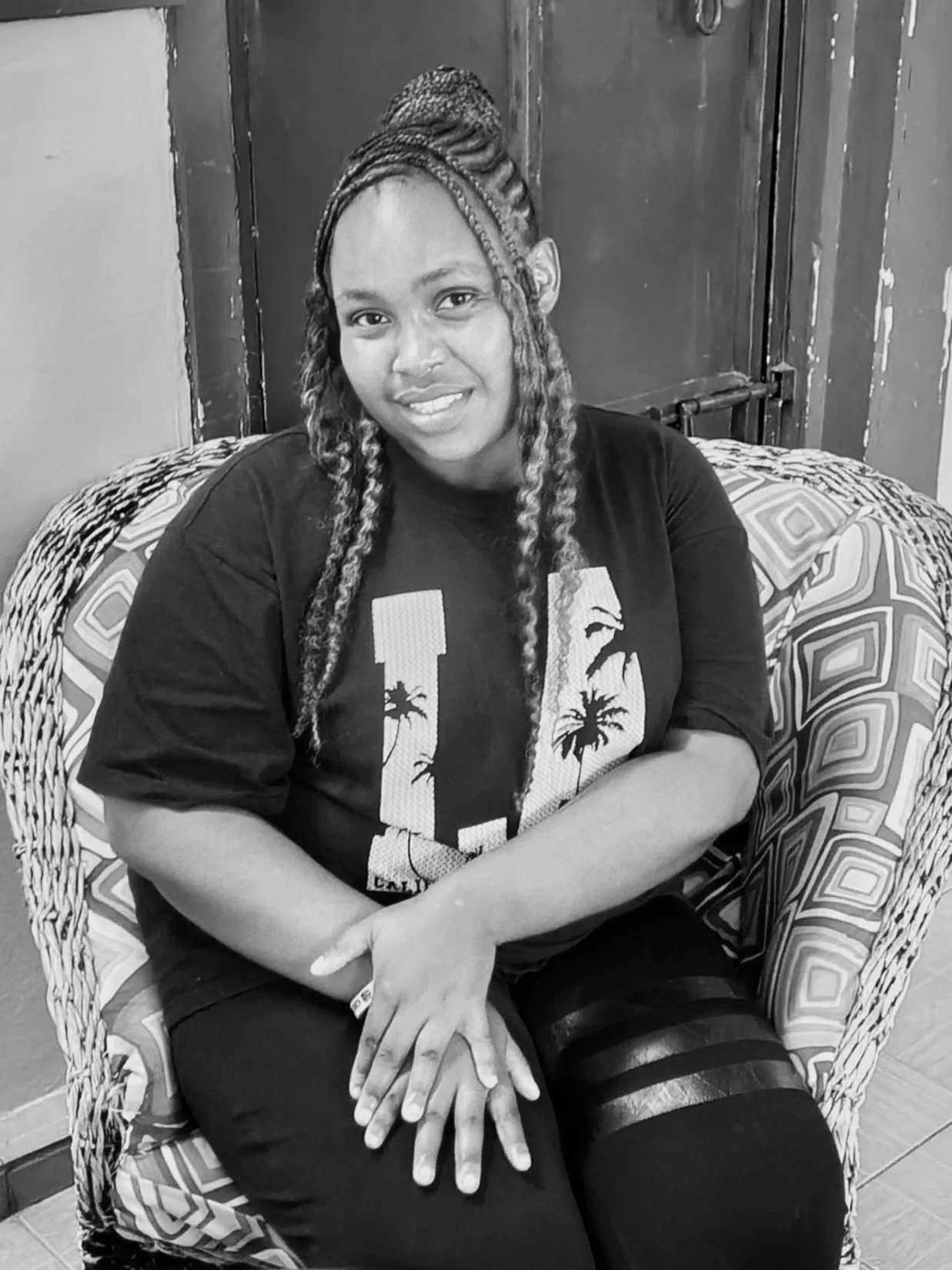
InoPtah is an artist from Moldova who works under a pseudonym. Their work is inspired by the full complexity of life, from joy and love to pain, injustice, war, displacement, and the search for home. Having found both literature and art to be a source of hope in the face of early hardship, they believe that beauty can emerge from suffering and that one person's story can become a source of healing for another. InoPtah typically addresses themes of ecology, racial equality, women’s rights, and freedom of speech. Metaphors and multi-layered imagery play a significant role in their art, creating depth of meaning.
What compels you to pick up your tools to create? And what inspires/influences your artwork, particularly when it comes to addressing human rights issues?If my inspiration had a name, it would be Life. It is life itself—its joys and sorrows, its laughter and tears—that drive me to think, to feel, and to create something new and sincere. Not everything in our lives is smooth and pleasant. But that’s no reason to lose heart or complain. I see this as a reason to free our voices and finally start speaking up. To speak about our rights, about pain, about injustice, and, of course, about love. Because love is our main motivation to create anything at all...
Melissa Ramage, Scotland/Malta, “The Tree”
Melissa is a Scottish born writer whose work is inspired by the possibility of seeing the world from perspectives beyond our own. As a migrant who has experienced successful integration, they are conscious of their own privilege while remaining attentive to the inequalities, discrimination, and difficult experiences faced by others. She believes writing can give people a way to speak about what happens behind closed doors and that every person deserves to be heard.
What compels you to pick up a pen or open your laptop to free-write? And what inspires/influences your writing, particularly when it comes to addressing human rights issues?Nature is what ususally inspires me or my imagination in regards to wondering what the world looks like from a different perspective. I like the creativity and the opportunity to connect with people without knowing.
How does your intersectionality influence your view of the world (your personal beliefs, gender expression, religious affiliations, etc.)?I acknowledge that I am privileged.
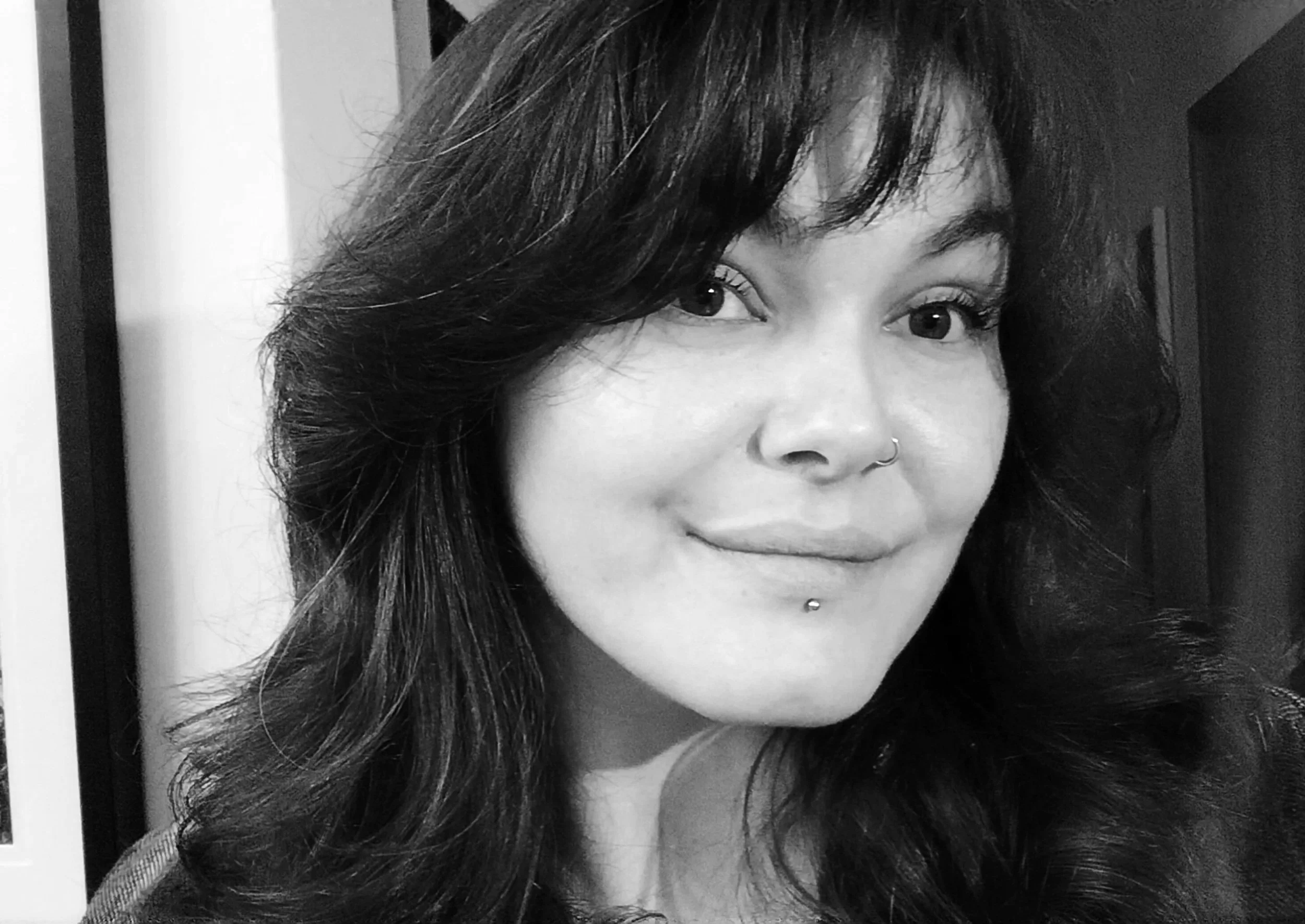
Ewan Wáash, Argentina, “Phototropism”
Ewan is a Argentinian writer whose work is rooted in the shared human experience, exploring hope, humility, nature, and the wonder found in everyday life. They believe art emerges from a place of connection that reminds us of what we share, while hope is not passive but something we actively create and carry forward. Deeply influenced by the natural world, Ewan writes with a growing awareness of the people, places, and experiences that shape our understanding of one another.
What compels you to pick up a pen or open your laptop to free-write? And what inspires/influences your writing, particularly when it comes to addressing human rights issues?Sometimes, you just have to write.
How does your intersectionality influence your view of the world (your personal beliefs, gender expression, religious affiliations, etc.)?The more I live, the more I see, the more people I meet, the more it becomes important to stay humble. Aware of what's wrong, and in awe of all that is wonderful.
Stay tuned on Instagram
Discover new stories from up-and-coming writers.
Join our movement in supporting underrepresented voices.