
Our Roots—Why Create Art for Social Change? (Part 1)
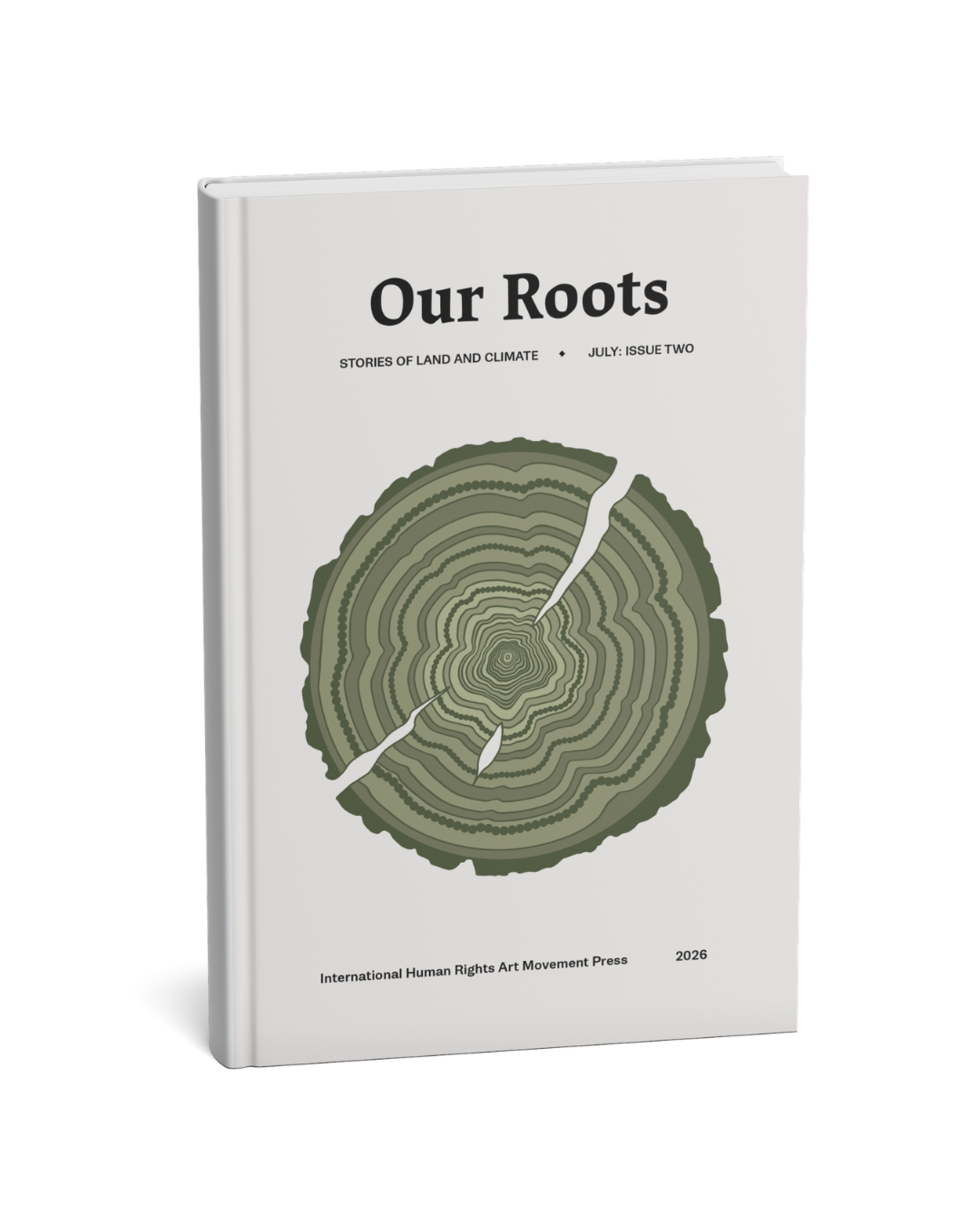
What makes them write? The writers of our recently released magazine, “Our Roots: Stories on Land and Climate,” have responded. Inside the Writing Process is an on-going series dedicated to revealing what inspires and influences our contributors’ writing and beliefs because IHRAM Press is dedicated to diversity, community, and representation.
Meet Sumaiya, Annie, and more of our inspired writers: for them, writing is about vulnerability, memory, and resistance; the danger of complacency.
Sumaiya Khan, India, “The Protector”
Sumaiya is a writer from India whose work is inspired by the people and stories that surround her, exploring human rights, social issues, and the shared experiences that connect us. She believes writers have a responsibility to reflect the world honestly while offering readers a path towards hope, change, and a better version of themselves. Her collection of poems, Paper Boat, reflects her belief in the power of art to create connection and remind us that we are not alone in what we experience. Her writing can also be found on her Substack, The Blue Pen.
The human rights concerns addressed in "Our Roots: Stories of Land and Climate." How do you navigate the balance between highlighting these challenges and maintaining a sense of hope or optimism in your writing? Writing about issues that surround the world makes it imperative to ensure that you leave people with a path to strive towards a better version of themselves. Sometimes, this could come in the form of a warning or maybe as an alternate path to where the story is taking you. Either way, I think speaking about human rights itself is a sign of optimism because we believe that there are still people out there who are in touch with their humanity and can connect with these stories.
How do you personally connect with our mission? Particularly on the power of art and literature to influence social change, and our values of beauty as a fundamental creative principle, sincerity, vulnerability, celebrating diversity, and opening doorways of engagement.Art can change the world and I think that as artists, it is our duty to see to it that we utilise our work in this aspect. Growing up, I often felt confused and helpless when I saw social issues in my own region. Books were what saved me then and gave me a way to know that what I am feeling, has been felt by others before me. This collective experience that art brings, especially when it comes to social change, is something that IHRAM Press delivers.
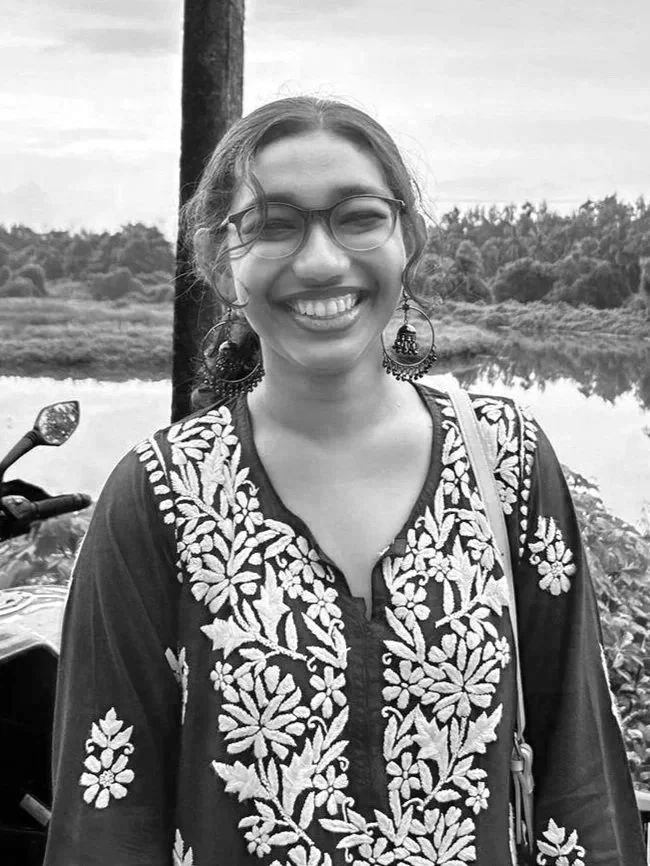
Click Sumaiya’s photo to learn more about her
Annie ZH Sun, Malta, “Bitter Waters”
Annie is a writer from Malta whose work explores the spaces between dominant narratives, uncertainty, and the truths we carry as individuals. She sees writing as a way to create space for voices and perspectives that may otherwise be overlooked, while questioning the stories we are given about the world. Her fiction often confronts difficult realities but seeks to leave a spark of hope, reflecting her belief in the enduring power of stories to make the world a little easier to bear. Her work has appeared in Pseudopod, Flash Fiction Online, Flash Fiction Magazine, and Zoetic Press, and in the anthology Behind the Revolving Door: An Anthology of Choice.
The human rights concerns addressed in "Our Roots: Stories of Land and Climate." How do you navigate the balance between highlighting these challenges and maintaining a sense of hope or optimism in your writing? As humans, we bear witness to the problems. As writers, we must decide on what to do with them in our writing. I do believe that there's a certain nihilism in human nature that makes it so much easier to end stories in destruction but the stories that often stick with me are the ones that act like a lit match in the dark. The stories I write are for me, too. They are lullabies I tell, to make the world a little easier.
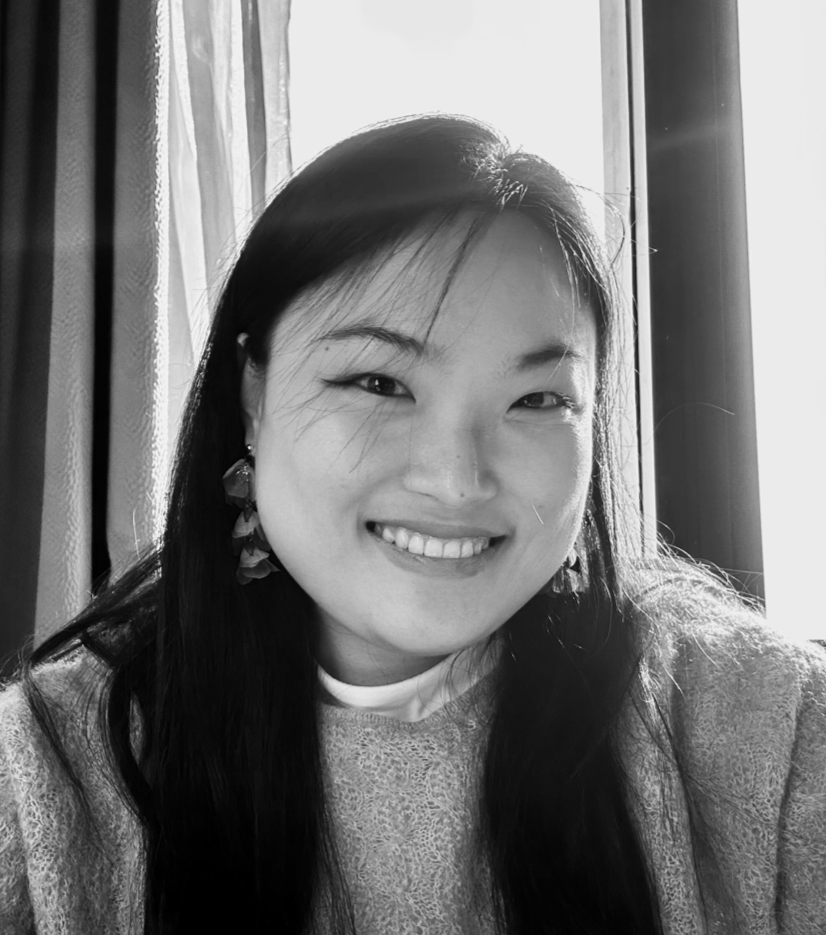
Click Annie’s photo to learn more about her
Zeenath Shiffani Abdul Razack, Sri Lanka, "The Herd”
Zeenath is a Sri Lankan Muslim writer and poet whose work is shaped by her experiences of conflict, displacement, and the lasting impact of war on ordinary people. Her writing explores themes of justice, dignity, resilience, identity, and the shared human cost of suffering, giving voice to stories that are often overlooked. She draws on her faith and heritage to advocate for compassion, accountability, and reconciliation, believing that literature can foster empathy and preserve memory. Her poetry has been published in Daily News and The Scroll, with over twenty poems featured across local publications.
The human rights concerns addressed in "Our Roots: Stories of Land and Climate." How do you navigate the balance between highlighting these challenges and maintaining a sense of hope or optimism in your writing? Human rights writing requires honesty, but I believe it should also leave room for hope. I do not shy away from portraying pain, injustice, or the lasting scars of war because acknowledging suffering is the first step toward healing. At the same time, I try to illuminate the resilience of ordinary people who continue to seek justice, rebuild their lives, and refuse to let their voices be silenced. As a Muslim, my faith teaches me that even in the darkest moments, justice and mercy remain worth striving for. I hope my stories encourage readers not only to confront uncomfortable truths but also to believe that empathy, accountability, and collective action can pave the way for reconciliation and lasting peace.
How do you personally connect with our mission? Particularly on the power of art and literature to influence social change, and our values of beauty as a fundamental creative principle, sincerity, vulnerability, celebrating diversity, and opening doorways of engagement.I connect deeply with IHRAM's mission because I have witnessed how injustice can leave people without a voice. As a writer, I see Art and literature as a bridge between those who suffer and those who may never experience those realities themselves. Beauty, to me, is not merely found in landscapes or poetic language but in truth, resilience, and human dignity. I strive to write with sincerity and vulnerability, allowing readers to connect emotionally with people whose stories are often overlooked. Through storytelling, I hope to foster empathy, celebrate the richness and the tradition of the indegenous community and encourage conversations that lead to understanding and social change.
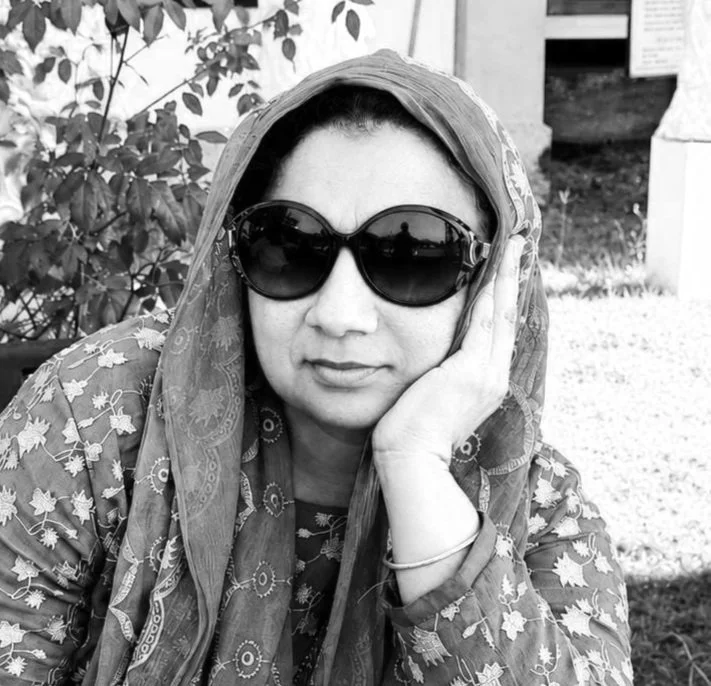
Click Zeenath’s photo to learn more about her
Robert René Galván, United States “Banyan”
Robert is a poet and professional musician whose life has been shaped by literature, music, history, philosophy, and a lifelong commitment to social justice. He has written poetry since the age of seven and has maintained hundreds of journals alongside a personal library of more than 40,000 volumes. His diverse Indigenous American, Moorish, Sephardic, North African, and South Indian heritage informs much of his work, which explores themes of identity, race, memory, nature, and the human experience. His collections include Meteors, Undesirable: Race and Remembrance, Standing Stones, and The Shadow of Time, and his poetry has appeared in numerous literary journals and anthologies.
The human rights concerns addressed in "Our Roots: Stories of Land and Climate." How do you navigate the balance between highlighting these challenges and maintaining a sense of hope or optimism in your writing? All of my books navigate these themes, but none more than "Undesirable: Race and Remembrance." Though I wrote about my family's difficult experiences as people of color, I included islands of fonder memories and end the book with a positive outlook for the future. I try to apply this to individual poems as well. The end of my current poem "Banyan" speaks to this ethos.
How do you personally connect with our mission? Particularly on the power of art and literature to influence social change, and our values of beauty as a fundamental creative principle, sincerity, vulnerability, celebrating diversity, and opening doorways of engagement.I have always embraced Shelly's dictum: “Poets are the unacknowledged legislators of the world.” I found this quote on the inner binding of a book of poems by William Blake when I was 7 years old. Artists have a responsibility to inform, influence and cajole humanity. Anything else is simply artifice. I'm currently reading an AEON essay, "How Art Invented Humanity." I remember being greatly moved as a child watching Robert Frost read at JFK's inauguration.
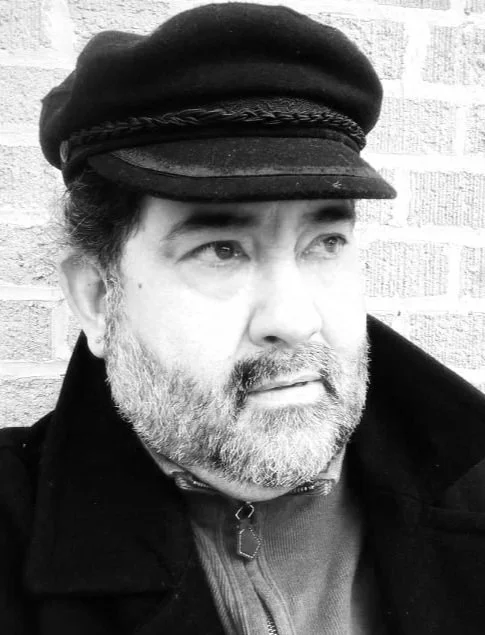
Click Robert’s photo to learn more about him
Stay tuned on Instagram
Discover new stories from up-and-coming writers.
Join our movement in supporting underrepresented voices.