
Solidarity — The Power of Art and Literature to Influence Social Change (Part 1)
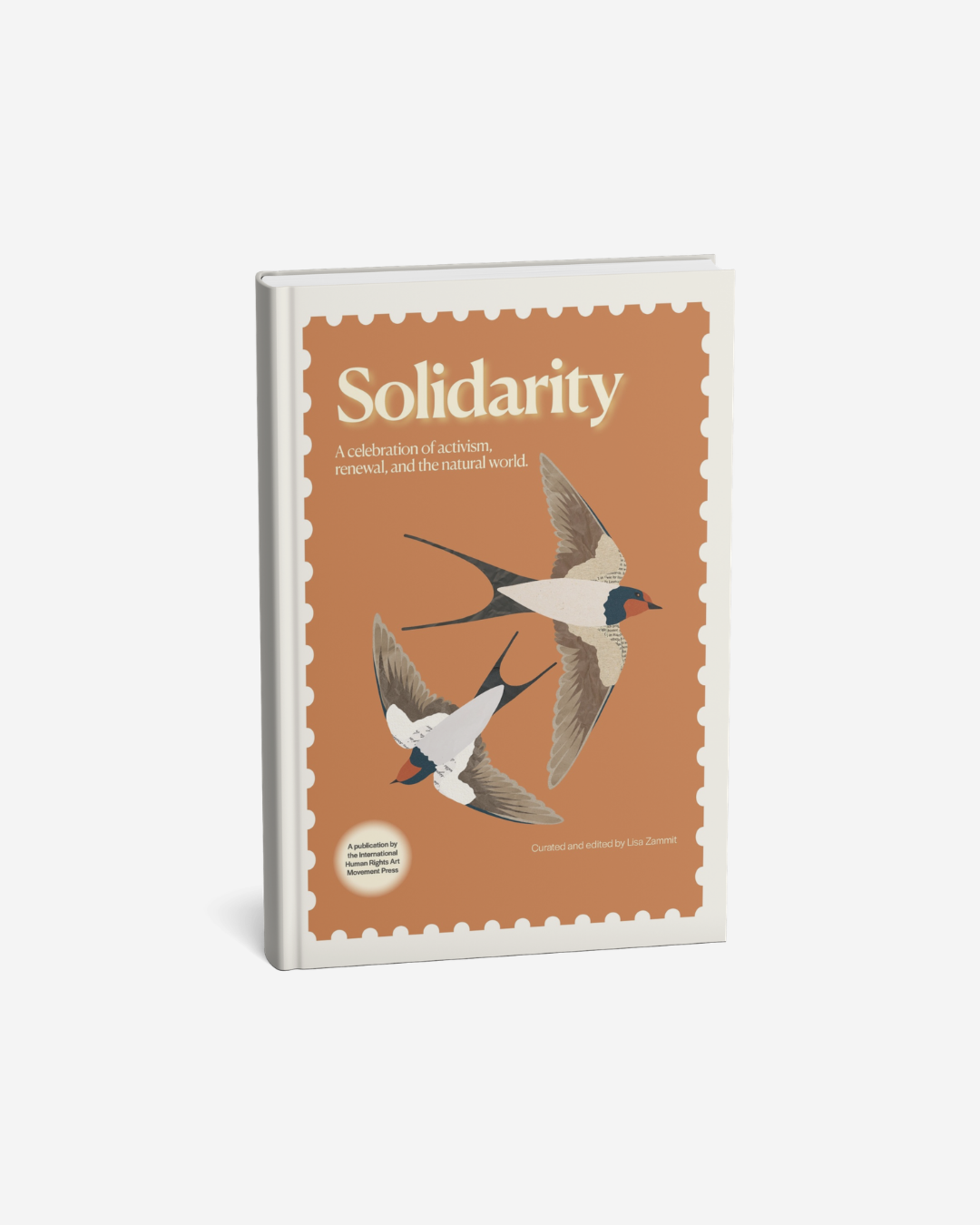
How does social change interact with art and literature? The writers of our upcoming title “Solidarity: A Celebration of Activism, Renewal, and the Natural World” have responded. Inside the Writing Process is an on-going series dedicated to revealing what inspires and influences our contributors’ writing and beliefs because IHRAM Press is dedicated to diversity, community, and representation.
Meet Lara-Lane, Śivani, and more of our inspired writers: for them, writing is about vulnerability, equity, and resistance; stories that refuse to stay silent.
Lara-Lane, Germany, “Someone Else's Shrine“
Lara-Lane is a writer from northern Germany. Climate activism and social justice have been longstanding areas of interest throughout her work. Having contributed to the Peatlands and Grief workshop series in collaboration with RE-PEAT, her work weaves the concept of grief with the peatlands, highlighting her dismay with Germany’s contribution to the genocide in Gaza. “Someone Else’s Shrine” continues with this theme, holding remembrance for the suffering that occurred on home soil and a wish for humanity, as a whole, to learn from its mistakes. Her hope is to try to bring new light into dark topics by aspiring to understand them from a more-than-human perspective.
The human rights concerns addressed in Solidarity: A Celebration of Activism, Renewal, and the Natural World. How do you navigate the balance between highlighting these challenges and maintaining a sense of hope or optimism in your writing? I think I mostly try to bring new light into dark topics by aspiring to understand them from a more-than-human perspective. […] In the case of peatlands, who are an important teacher for me, holding decay and loss instead of escaping it is basically the base for their survival, the condition for the ecosystem's growth and aliveness. Their ability to hold semi-decomposed matter also impacts and partially enables a habitable future for us because peatlands store so much carbon. The celebration of life amidst the ruins is sometimes the most radical act, especially in a world marked by hopelessness and disempowerment.
How do you personally connect with our mission? Particularly on the power of art and literature to influence social change, and our values of beauty as a fundamental creative principle, sincerity, vulnerability, celebrating diversity, and opening doorways of engagement.
Art and literature hold a unique power to, like a prayer, both expand and ground us. They allow us to imagine beyond ourselves while also returning us to the present moment, reconnecting us to our bodies and our place in the world. In this sense, they are practices of digestion, nourishment and renewal, helping us step out of disembodiment and limiting narratives. This is why I see them as inherently transformative. Whether creating or engaging with art, it helps us to question dominant systems and stories, but also to consciously choose and shape the narratives we live by.
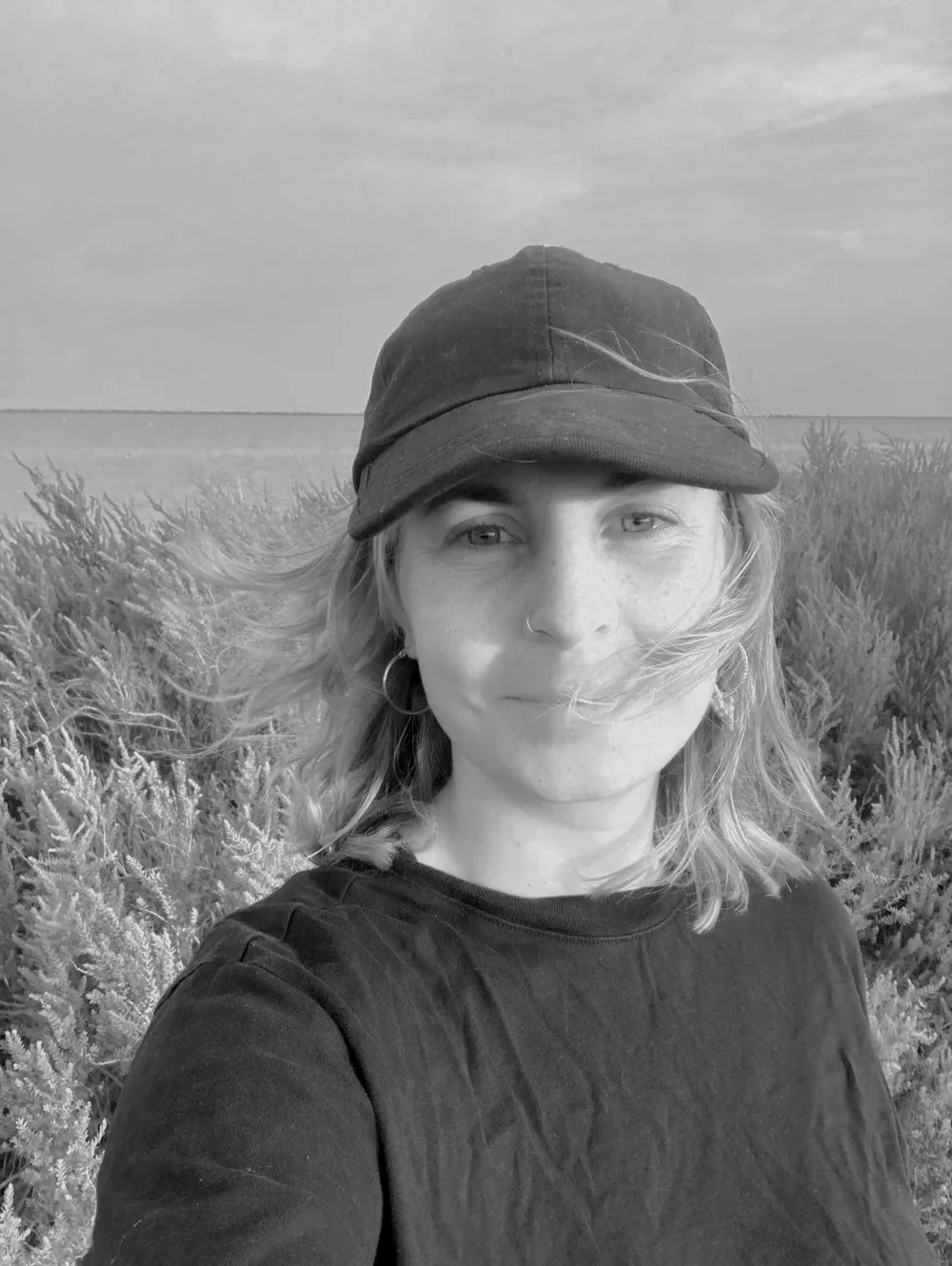
To learn more about Lara, click her photo.
Śivani Howe, Canada, “To Speak the World Alive”
Śivani is the author of the poetry collection, “THIS Is Written in the Stars.” In 2025, Howe was featured in “The Poetry Lighthouse II,” “Upon Learning That Anthologies,” IHRAM Press’ “Enduring Voices” (2025, Quarter 3), The Turning Leaf Journal, The Hemlock Journal, and Andorinha Press. She currently resides with her family in the Purcell Mountains of British Columbia, Canada, and is pursuing her MA at Pacific Oregon University. You can learn more about Śivani here: https://www.sivanihowe.ca/press
The human rights concerns addressed in Solidarity: A Celebration of Activism, Renewal, and the Natural World. How do you navigate the balance between highlighting these challenges and maintaining a sense of hope or optimism in your writing? I feel that when human rights concerns are addressed, explored and seen honestly through art, it is the best way to invoke the collective heart into right action. Not through sensationalism which pushes people away, but through honouring the reality. This awakens the heart into action.
How do you personally connect with our mission? Particularly on the power of art and literature to influence social change, and our values of beauty as a fundamental creative principle, sincerity, vulnerability, celebrating diversity, and opening doorways of engagement.Knowing that there is an organisation that is listening and championing important discussions regarding human rights inspires me to speak up and add my voice so that the momentum, and the engagement can be continued.
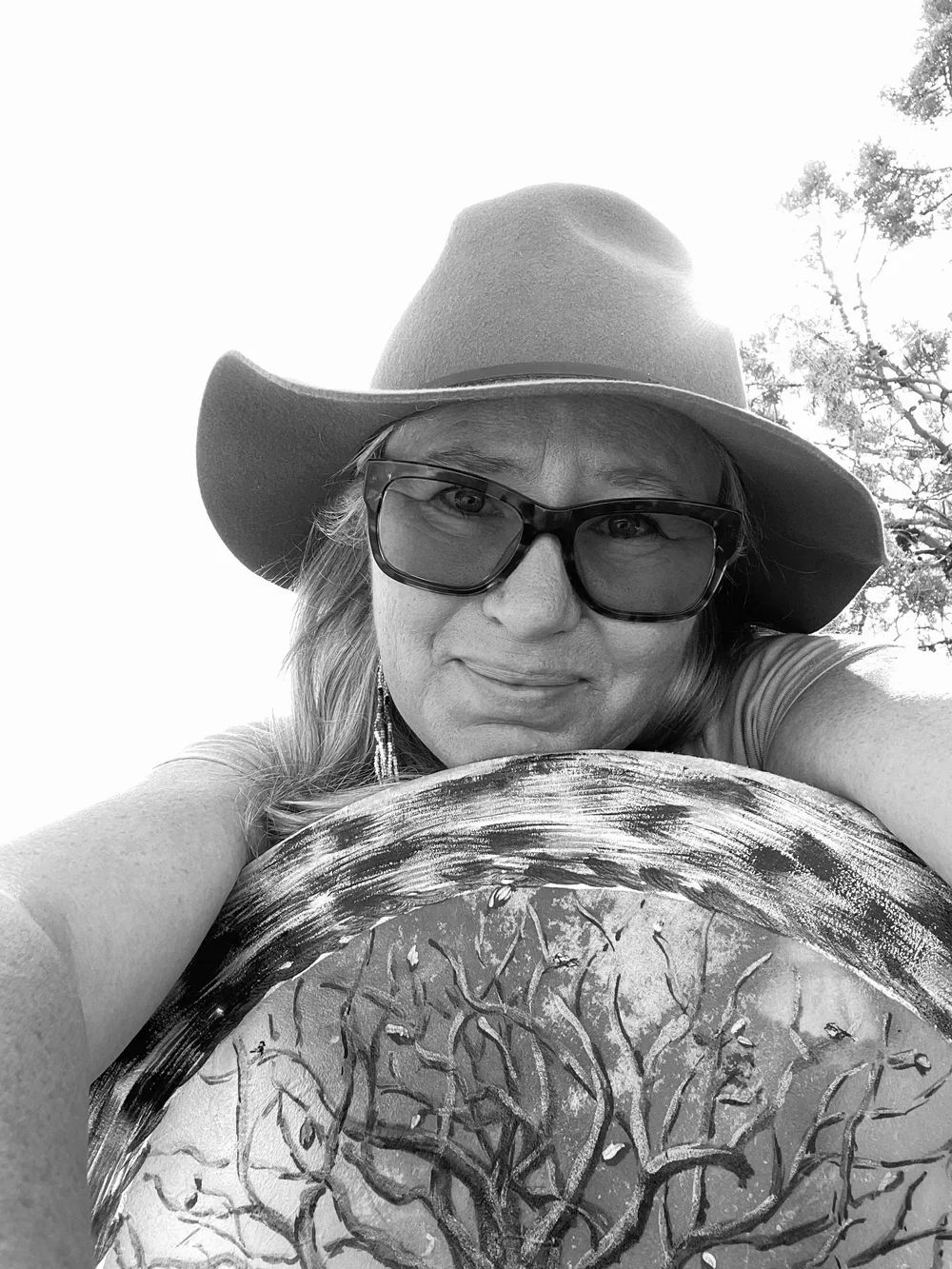
To learn more about Śivani, click her photo.
Gloria Ogo, United States, "Bullets for Supper”
Gloria is an American-based Nigerian writer with several published novels and poetry collections. Her work has appeared in Eye to the Telescope, Brittle Paper, Spillwords Press, Metastellar, Gypsophila Magazine, Harpy Hybrid Review, Allegro Poetry Magazine, among others. She holds an MFA in Creative Writing and serves as a reader for Reckoning Magazine. She was the winner of the 2024 Brigitte Poirson Literature Prize and a finalist for the 2024 Jerri Dickseski Fiction Prize and the 2025 Rhonda Gail Williford Poetry Prize. Her work was longlisted for the 2025 American Short(er) Fiction Prize. You can find her at: https://glriaogo.wixsite.com/gloria-ogo.
The human rights concerns addressed in Solidarity: A Celebration of Activism, Renewal, and the Natural World. How do you navigate the balance between highlighting these challenges and maintaining a sense of hope or optimism in your writing? Navigating that balance requires honesty about the depth while still recognizing the resilience and agency of the people confronting them. When writing about human rights issues, it is important not to sanitize or soften the realities of injustice, inequality, or violence, because doing so can diminish the experiences of those affected. At the same time, focusing solely on suffering risks creating a narrative of inevitability or despair. I try to approach this balance by grounding difficult realities within broader historical and social contexts that also reveal moments of resistance, solidarity, and transformation.
How do you personally connect with our mission?Particularly on the power of art and literature to influence social change, and our values of beauty as a fundamental creative principle, sincerity, vulnerability, celebrating diversity, and opening doorways of engagement.I connect deeply with that mission because I believe art and literature have a unique capacity to make social realities visible in ways that statistics, policy reports, or legal arguments often cannot. Writing allows us to humanize complex issues by bringing readers closer to lived experiences, emotions, and moral dilemmas that might otherwise remain abstract. The values you emphasize, beauty, sincerity, vulnerability, are essential to that process. Together, these principles open meaningful spaces for engagement, encouraging readers not only to understand social challenges but also to reflect on their own role in addressing them.
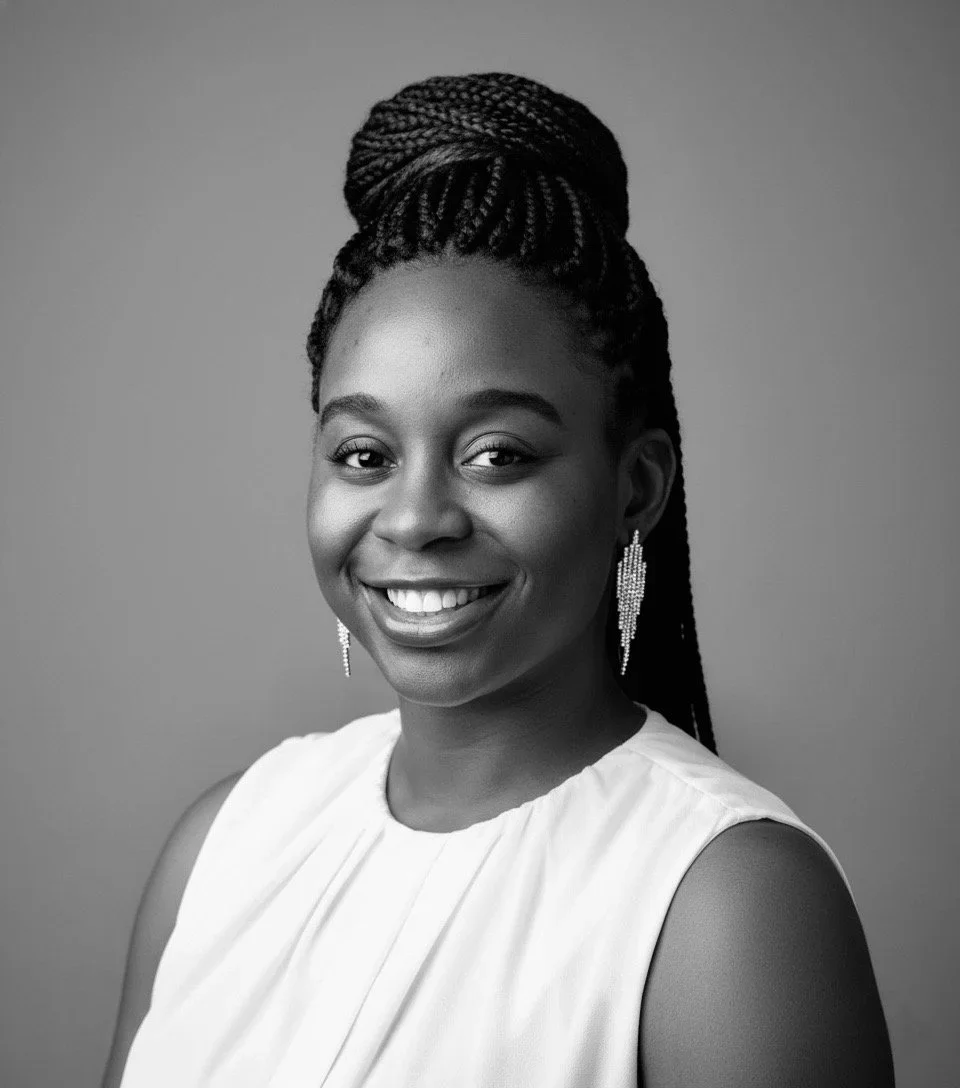
To learn more about Gloria, click her photo.
David A. Lee, United States, “Algorithm in the Room” & “Her Body Was an Anthem”
David Anson Lee is a physician, philosopher, and poet based in Houston, Texas. His work has appeared in numerous literary journals and magazines, exploring themes of human dignity, social justice, displacement, and the ethical tensions between technology, medicine, and modern life. His upcoming poems with IHRAM Press explore contemporary forms of activism: one confronting the quiet authority of technological systems, and the other honoring feminist resistance and bodily autonomy. For David, poetry does not come from denying difficulty, it comes from recognizing the resilience that persists within it. Human rights struggles often involve pain, injustice, and conflict, but they also reveal courage: people who stand up, speak out, or protect one another despite real risks.
The human rights concerns addressed in Solidarity: A Celebration of Activism, Renewal, and the Natural World. How do you navigate the balance between highlighting these challenges and maintaining a sense of hope or optimism in your writing? For me, hope in poetry does not come from denying difficulty. It comes from recognizing the resilience that persists within it. Human rights struggles often involve pain, injustice, and conflict. But they also reveal courage: people who stand up, speak out, or protect one another despite real risks. In my poems, hope usually appears in subtle ways: a gesture of solidarity, a refusal to remain silent, a voice that continues to speak even when systems try to silence it. The goal isn’t to resolve every problem. The goal is to remind readers that human dignity survives even in difficult circumstances.
How do you personally connect with our mission? Particularly on the power of art and literature to influence social change, and our values of beauty as a fundamental creative principle, sincerity, vulnerability, celebrating diversity, and opening doorways of engagement.IHRAM’s mission resonates deeply with me because it recognizes that art is not a luxury: it is a way of understanding and reshaping the world. Beauty, sincerity, and vulnerability are powerful tools for social change. When literature invites readers into another person’s experience, it opens a doorway for empathy. And empathy is often the beginning of justice. Poetry doesn’t pass laws or negotiate treaties. But it can change how people see one another, and that shift in perception can ripple outward in meaningful ways.
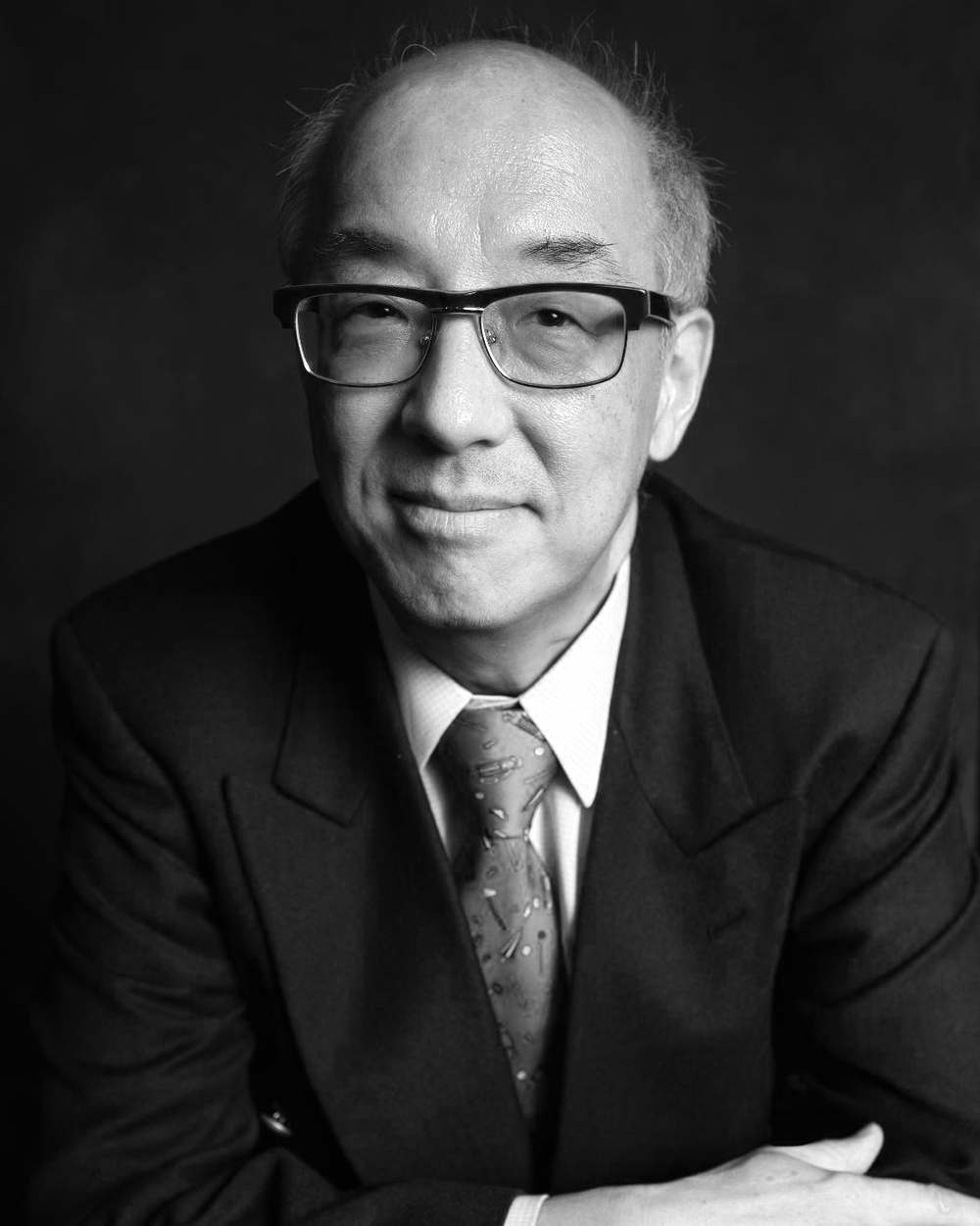
To learn more about David, click his photo.
Sam Abellanosa, Philippines, “Silent Resonance”
Sam is a Filipino writer from Bohol, Philippines. Writing had long been a distant aspiration for her, but, as she stepped into the realities of life, she discovered a voice she never imagined she had. She partakes in conversations about love, possibilities, and the nuances of human thought and emotions. Her writings are fueled by experiences that shaped her, drawn from both learning and unlearning the beliefs she once held, and from quietly observing life in communities often overlooked. Through her work, she hopes to show resistance and speak about the struggles of those on the edges of society.
The human rights concerns addressed in Solidarity: A Celebration of Activism, Renewal, and the Natural World. How do you navigate the balance between highlighting these challenges and maintaining a sense of hope or optimism in your writing? For me, it’s all about pouring out what my heart truly wants to say. When I write about complex and challenging human rights issues, I focus on being honest about the realities while also asking myself how I can turn my words into a call to action. I try to balance highlighting these struggles with a sense of hope by reminding readers and myself that awareness is the first step toward change. Through my writing, I want people not only to understand these issues but also to feel encouraged to care and take action in their own ways.
How do you personally connect with our mission? Particularly on the power of art and literature to influence social change, and our values of beauty as a fundamental creative principle, sincerity, vulnerability, celebrating diversity, and opening doorways of engagement.Living in a country where you often have to fight for your rights has deeply influenced my connection to your mission. It matters to me because art, writing, and literature create space for people who may not be on the front lines to still take part in that fight. I believe in the power of these forms as platforms for change. They give people a voice, an avenue to express sincerity and vulnerability, and a way to highlight different experiences. At the same time, they show that beauty can exist even in struggle, and that creativity can open doorways for awareness and meaningful action.
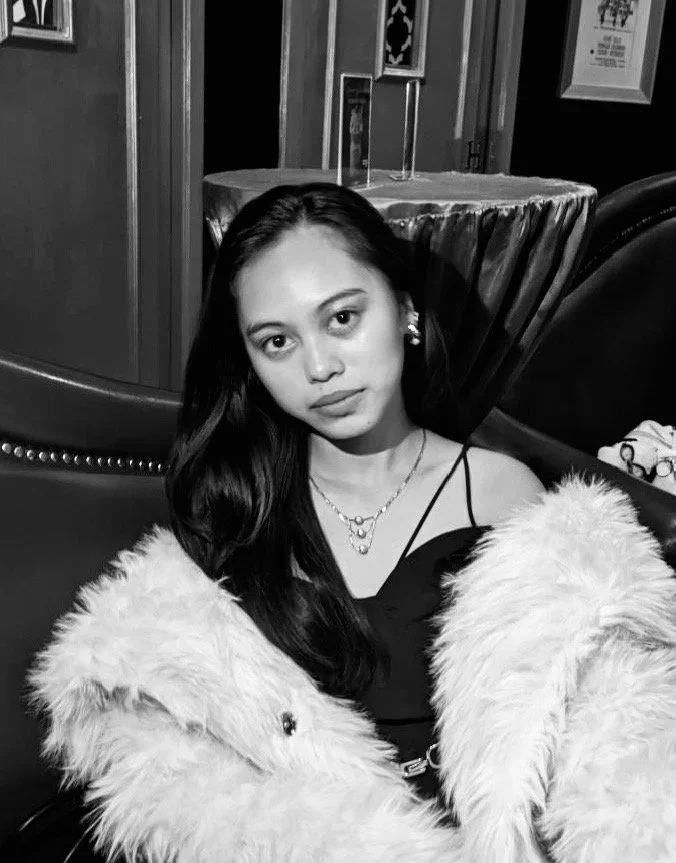
To learn more about Sam, click her photo.
Ava Homa, United States, “To the Forest of Saplings”
Ava is the author of “Daughters of Smoke and Fire” (HarperCollins & Abrams), a finalist for the William Saroyan International Prize and a Roxane Gay Book Club pick. Her short fiction collection, “Echoes from the Other Land,” was nominated for the Frank O’Connor International Short Story Award. Her poems, essays, and stories have appeared in the Literary Hub, The New Statesman, The Literary Review of Canada, The Globe and Mail, and numerous anthologies. Ava is an Assistant Professor at California State University, Monterey Bay, and is a 2023–24 California Arts Council Fellow. Learn more at www.AvaHoma.com
The human rights concerns addressed in Solidarity: A Celebration of Activism, Renewal, and the Natural World. How do you navigate the balance between highlighting these challenges and maintaining a sense of hope or optimism in your writing? The very act of reading and writing are hopeful acts, at least to me. I can't regain a childhood lost to oppression but I'd love to do what I can to help others in similar situations.
How do you personally connect with our mission?Particularly on the power of art and literature to influence social change, and our values of beauty as a fundamental creative principle, sincerity, vulnerability, celebrating diversity, and opening doorways of engagement.To resist/exist, I have relied on the arts. Literature has been my refuge and shelter, my life support, but my search to find myself in it proved futile. Growing up illiterate in, and therefore alienated from, the Kurdish language and literature, I searched for my reflection in Persian and world literature in English. But I never found anyone remotely similar to me. No one had written Kurdish women into literature. We had to do it ourselves.
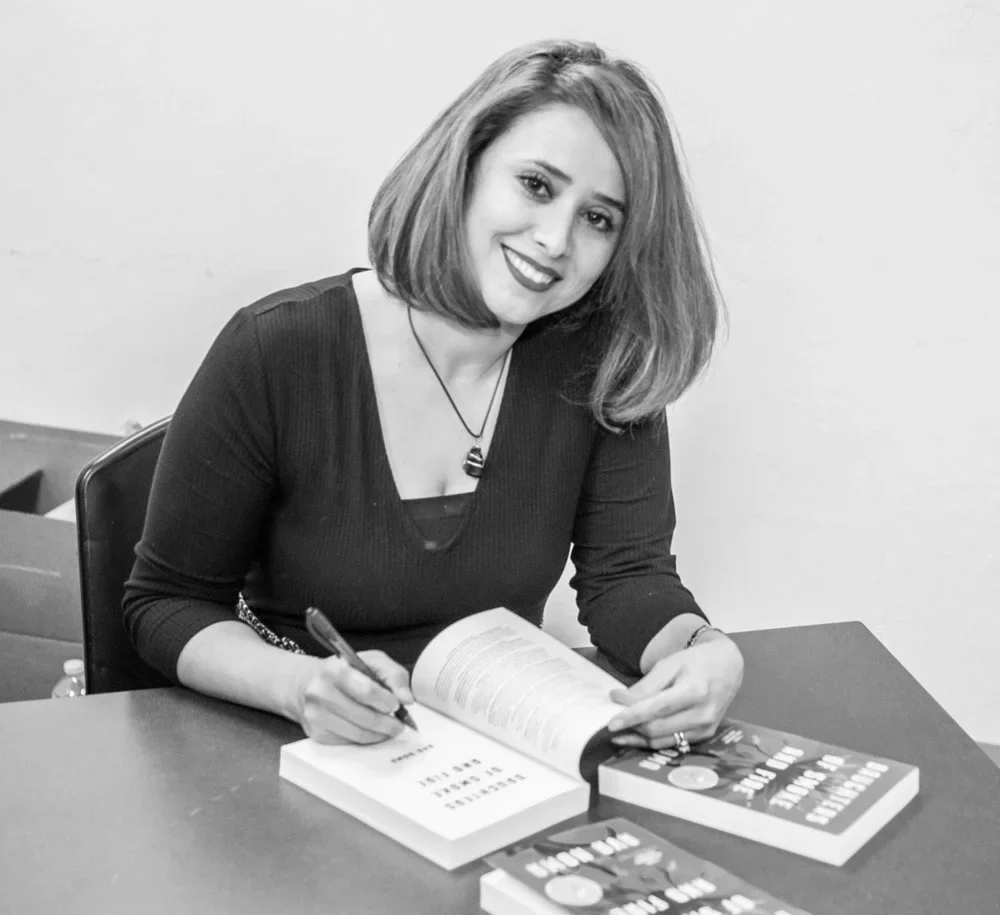
To learn more about Ava, click her photo.
Stay tuned on Instagram.
Pre-order for “Solidarity” is opening soon!
Discover new stories from up-and-coming writers.
Join our movement in supporting underrepresented voices.