
Women Power — Meet the Authors (Part 3)
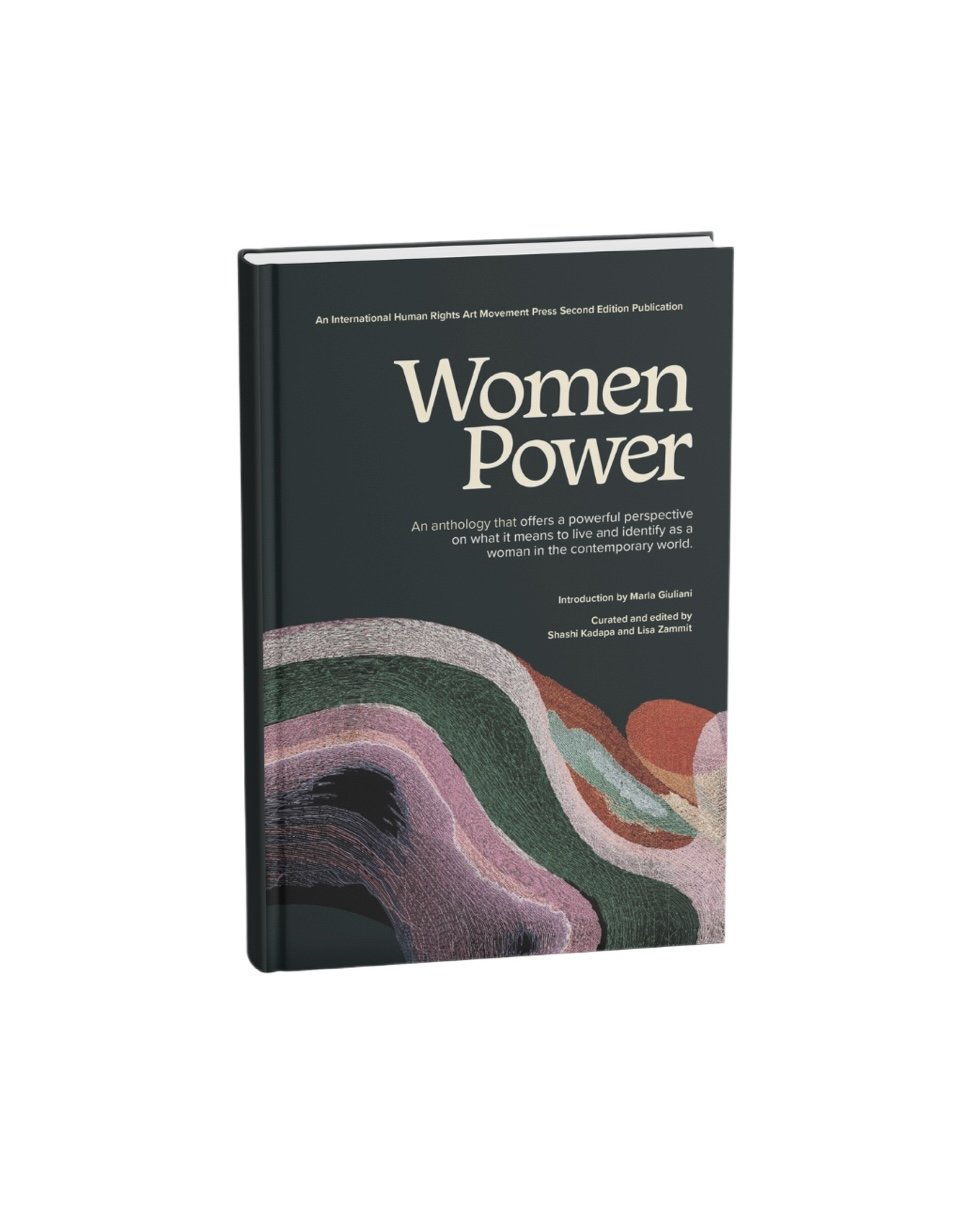
What makes them write? The writers of our latest title “Women Power,” have responded. Inside the Collective is an on-going series dedicated to revealing what inspires and influences their writing and beliefs because the IHRAM Press is dedicated to diversity, community, and representation.
Meet Kael and Madeira: for them, writing is about vulnerability, equity, and resistance; stories that refuse to stay silent.
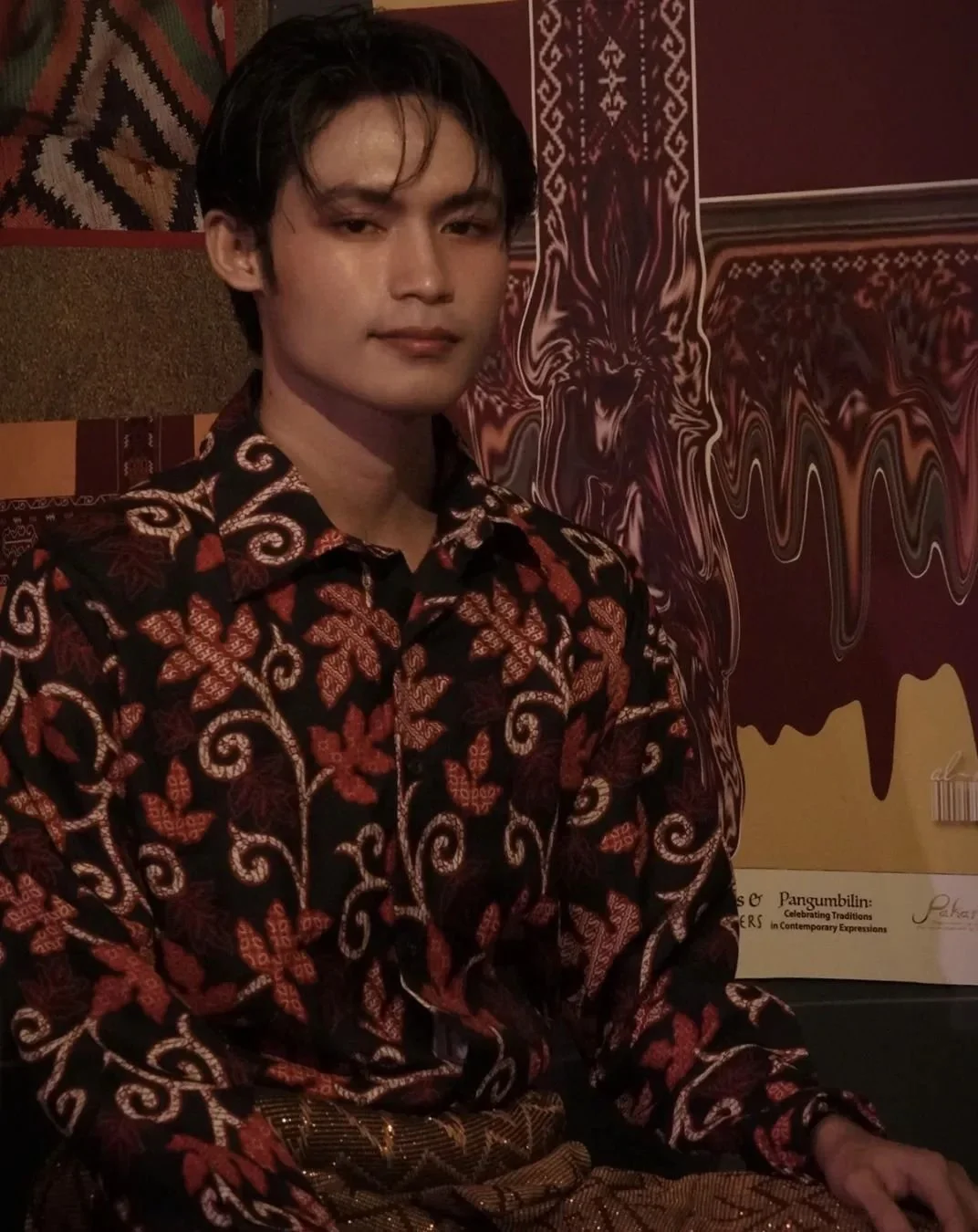
Kael Luzon, USA & Philippines, “The Perfect Daughter”
Kael Luzon is an author, youth advocate, and mental health practitioner who finished his degree in Psychology at the Mindanao State University, conferred Magna Cum Laude. He has written several teen-oriented novels that explore themes rooted in empathy and healing. In 2023, his short story “An Orphan in a Big Fast World” was short- listed for the prestigious Creators of Justice Literary Award in New York. Kael also contributed to the IHRAM Press 2025 First Quarter Literary Magazine and the Hear the Voices Anthology, Pressured Youth. He was also selected as one of the 36 ASEAN delegates for the YILA Changemakers Program in 2026, where he was able to talk about his advocacies on mental health and youth empowerment, aligning them with the Sustainable Development Goals.
What compels you to pick up a pen or open your laptop to free-write? And what inspires/influences your writing, particularly when it comes to addressing human rights issues?Every time my pen meets paper or my fingers find the keys, I step into a freedom that nothing else provides. In this society, where our battle for human dignity is far from over, where activists are often silenced before they can even speak, and where most people often step back in the name of peace, I think, to write about real-time issues is one way of standing in solidarity to all of those who were oppressed; neutrality is silence that sides with the oppressors. So, as long as I have the strength to move my hands, I will cultivate a necessary noise if it means being the map for those who are silenced to find their voices again. We simply cannot afford to have a society that’s built on silence and at the cost of the broken.
How does your intersectionality influence your view of the world (your personal beliefs, gender expression, religious affiliations, etc.)?In conservative culture, the house roles were designed to benefit the male status quo. Being male in this environment gave me a specific kind of freedom, but I realized early on that a freedom built on the deprivation of others’ dreams is no freedom at all. By advocating for women’s rights, I am consciously rejecting a peace that is built on the inequality of my sisters and mother. My environment used to suppress the inner voice that screamed for equal rights, but it was in these days that kept shedding me into a man who refused the privilege of silence. The fact that I am standing up for women’s dreams can be seen as a disruptor by others, adding a layer of vulnerability to my writing even. But I am navigating a world where I must unlearn the nothingness or the dominance expected of me as a man to make room for the voices of others. I write not because I know their struggle firsthand, but because I have witnessed their resilience. Today, my view is defined by a conscious choice: to be a man who uses his voice to amplify the silence of the women who raised him.
Make it stand out
Whatever it is, the way you tell your story online can make all the difference.
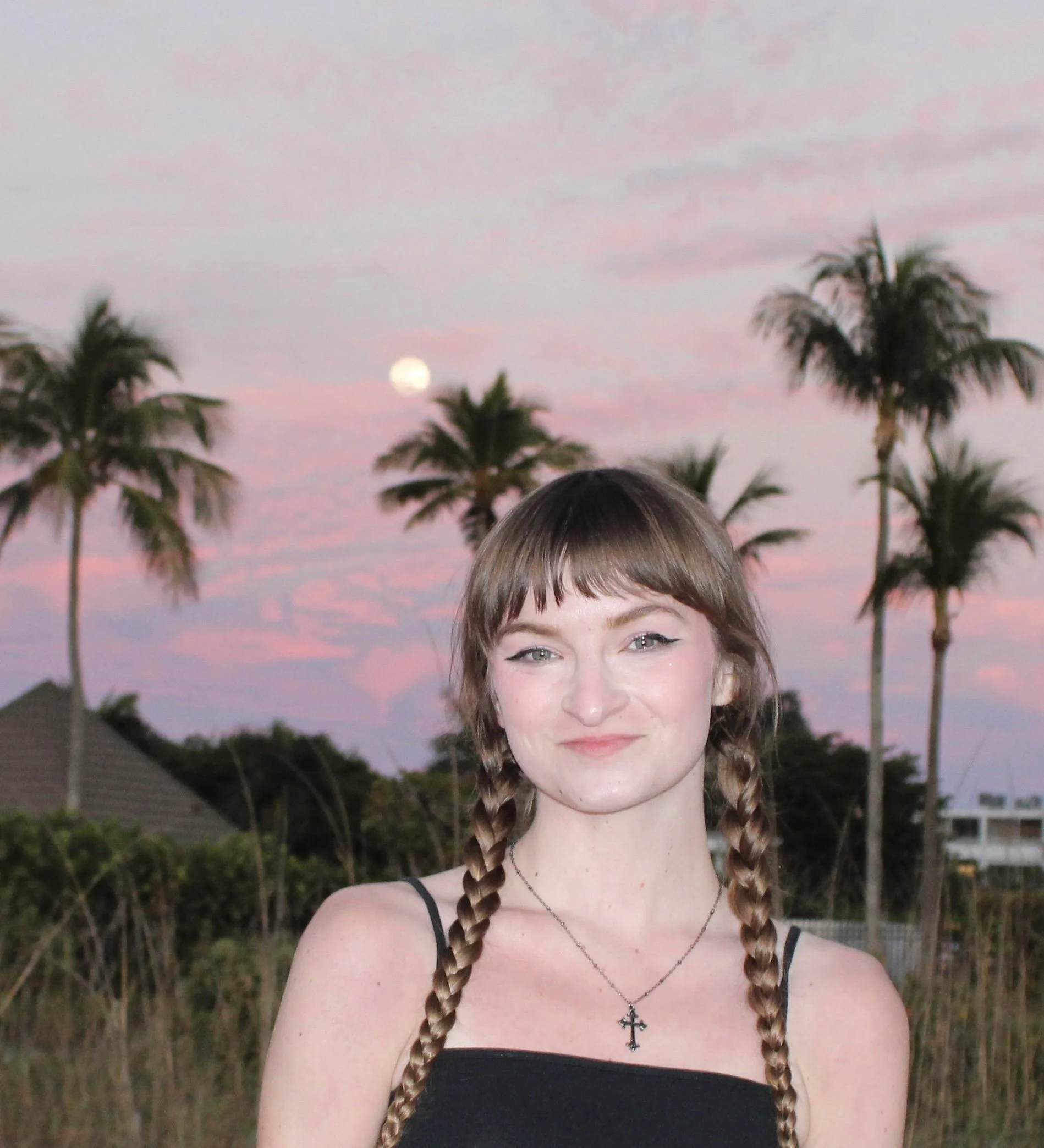
Madeira Miller, USA, “On Ownership”
Madeira Miller is a Pushcart-nominated writer and Iowa Writers Workshop attendee who holds a B.S.C in Creative Writing from Missouri State University. Her work has appeared in several publications including ANGLES Literary Magazine, Barely South Review, and The Coachella Review.
What compels you to pick up a pen or open your laptop to free-write? And what inspires/influences your writing, particularly when it comes to addressing human rights issues?If I feel particularly passionate about something going on in the world that feels bigger than me, I find it very therapeutic to write about it. I may not be able to single-handedly solve the world’s problems over night, but I can organize my thoughts and articulate them in an artistic manner. What we write about, we talk about, and what we talk about, we take action about. Words plant the seeds for change.
How does your intersectionality influence your view of the world (your personal beliefs, gender expression, religious affiliations, etc.)?As a woman, I experience the world through a lens of both fear and privilege, which is an interesting dichotomy. I fear for my rights and the rights of other women around the world, but also benefit from the privilege of being cisgender, heterosexual, able-bodied, and white in the US. I think it’s important to let this fear/concern inspire me to advocate for myself and others rather than scare me into submission. It’s equally important to utilize this privilege to speak up for others and also amplify others’ voices. My worldview is shaped by these aspects of my identity. I think the world is a beautiful place but it’s my responsibility to make it better for everyone.
Make it stand out
Whatever it is, the way you tell your story online can make all the difference.
Stay tuned on Instagram
Discover new stories from up-and-coming writers.
Join our movement in supporting underrepresented voices.