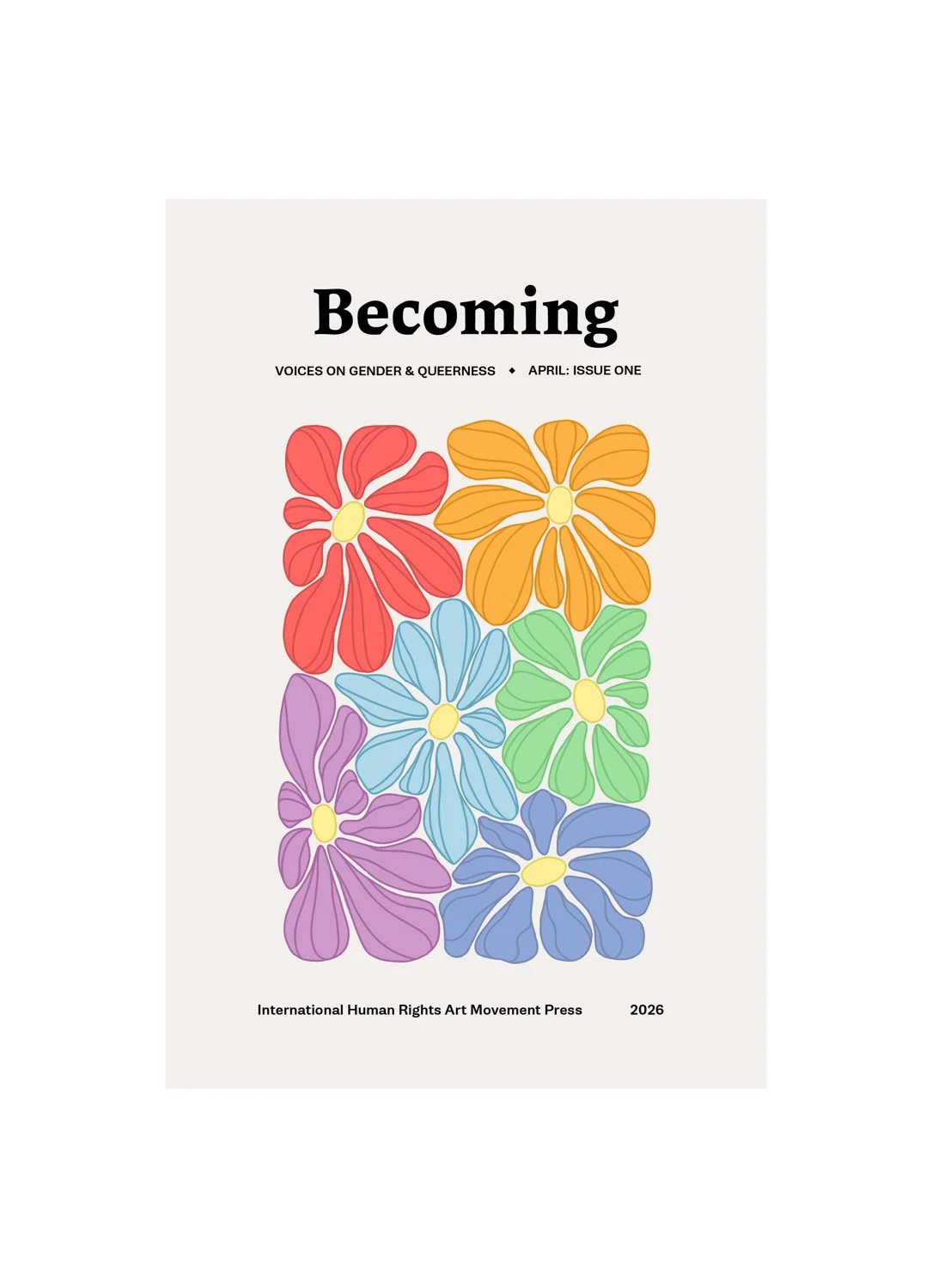
What makes them write? The writers of our latest literary magazine “Becoming: Voices on Gender & Queerness,” have responded. Inside the Collective is an on-going series dedicated to revealing what inspires and influences their writing and beliefs because the IHRAM Press is dedicated to diversity, community, and representation.
Meet A W and the other writers/artists: for them, creating is about vulnerability, equity, and resistance; stories that refuse to stay silent.
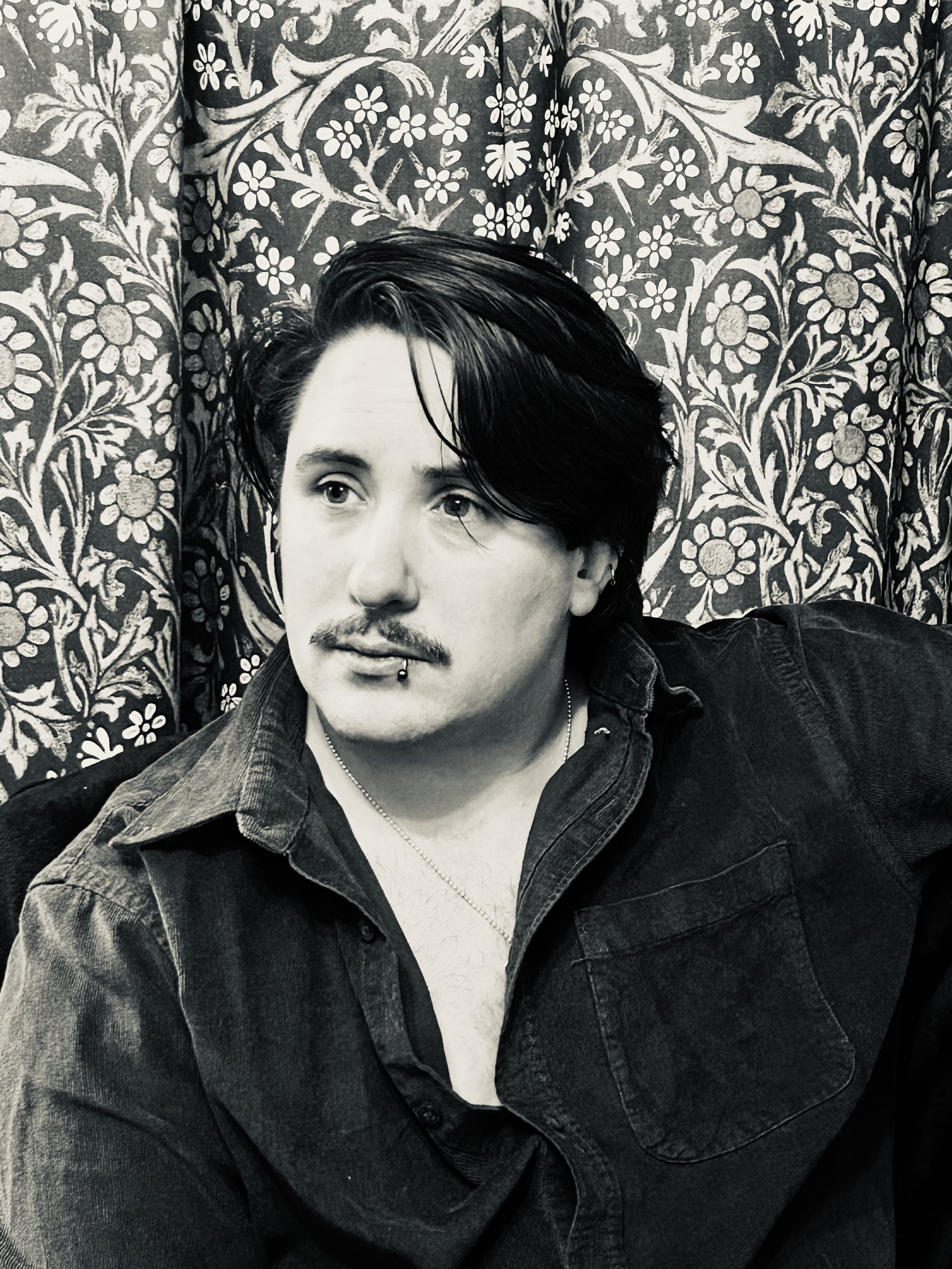
A W Earl, Scotland, “Hyacinthus”
A W Earl is a writer, storyteller, and poet. They learned their craft through the DIY punk poetry scene of the Medway towns and the more formal atmosphere of the University of East Anglia’s Literature and Creative Writing course. They are non-binary and bisexual, and themes of identity, sexuality, love, landscape, and bodies weave strongly through their work. Their debut novel, “Time's Fool,” was published by Unbound in 2018.
What compels you to pick up a pen or open your laptop to free-write? And what inspires/influences your writing, particularly when it comes to addressing human rights issues? My work comes from landscape, from the natural world, or from the body—an emotion, an observation, a coincidence that catches me and makes me worry at it until it comes together in verse. The concern with justice and human rights often bleeds into that with the force of anger—I rarely set out to write political poetry, but it's sort of inevitable in the world we inhabit, especially when your existence, and that of those you love, is being rendered political.
How does your intersectionality influence your view of the world (your personal beliefs, gender expression, religious affiliations, etc.)?This feels like part of the same thing—it is to stand slightly outside the mainstream, to feel like an island outpost of difference. However, I think—I certainly hope—it has made me keener to reach across those distances, to others who are isolated or vulnerable whether through my work or my actions in the world. However much I incline to solitude, we are a social species, and the only way we're going to change the world is through solidarity.
Make it stand out
Whatever it is, the way you tell your story online can make all the difference.
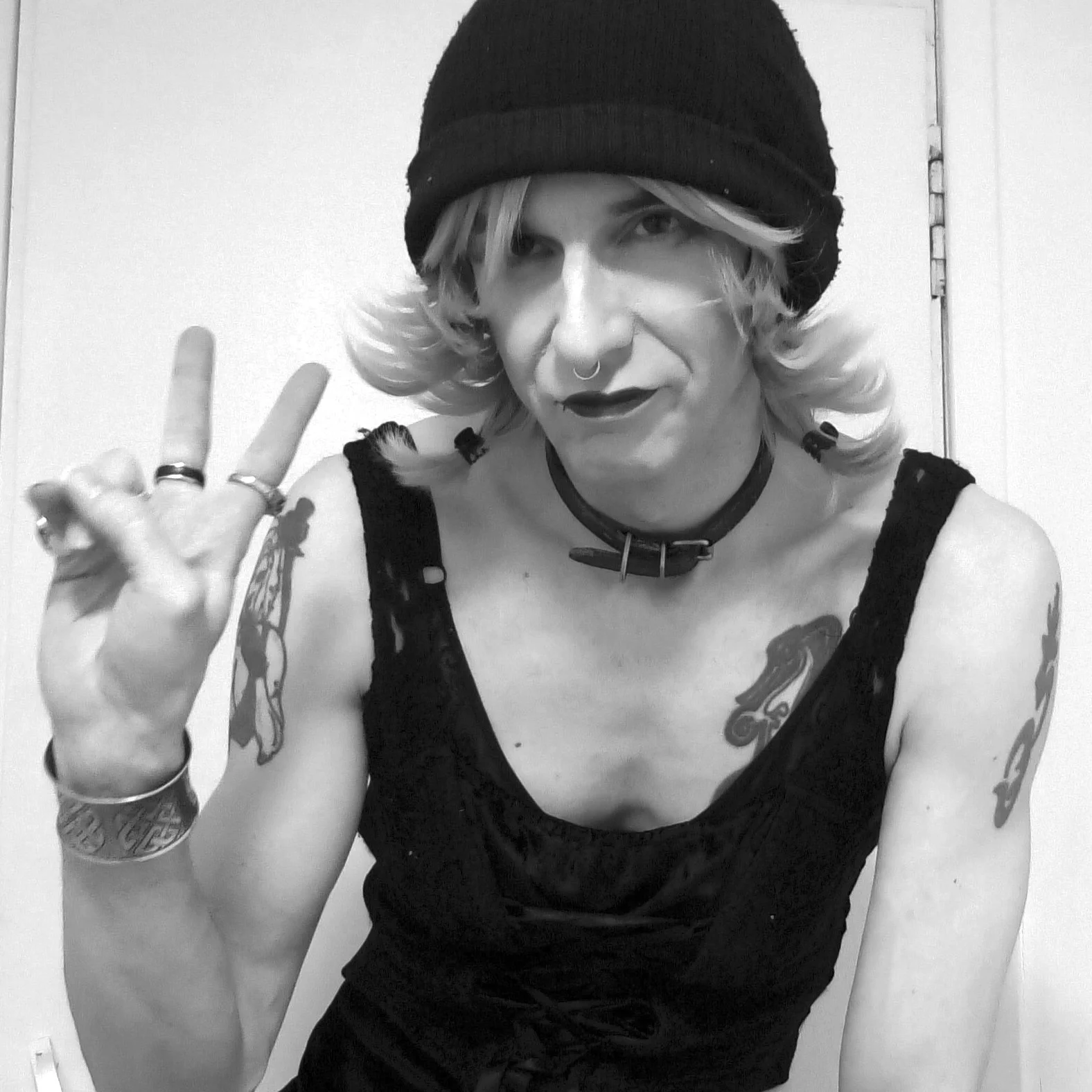
Morgan Black, Scotland, “Super Trans Fixit Gurl”
Dr. Morgan Black Wood is a Fine Art graduate from the University of Dundee holding a B.A., MFA, and PhD. Their main area of study is the non-binary body and physiognomy in contemporary art, society, and culture. Dr. Morgan is a multi-disciplinary artist whose work encompasses video, performance, spoken word, comix, music, and writing. The themes of their work include transgression, subversion, the flattening of high/low dichotomies, and critique of any hegemonic or binary system of taxonomy. They are currently focusing on the development and public performance of a growing body of theatrical poetry, intersecting social history, mythology, gender, queerness, and personal lived experience.
What compels you to pick up a pen or open your laptop to free-write? And what inspires/influences your writing, particularly when it comes to addressing human rights issues?Everything, anything. My personal responses to a song lyric, a scene from a movie, a line or a concept in a book, and how those resonate with me as a nonbinary person, a creator, a performer. Oftentimes, I'll reimagine myself as another character, in another time and place—whether historical, mythological, or purely invented
How does your intersectionality influence your view of the world (your personal beliefs, gender expression, religious affiliations, etc.)?I am me. Being me, in my own way, every day, and in whatever way feels right to me at that time and in whatever place I happen to be in. I don't view what I do or what I am as gender expression necessarily—more generally, as simply self-expression, which is of ambiguous gender.
Make it stand out
Whatever it is, the way you tell your story online can make all the difference.
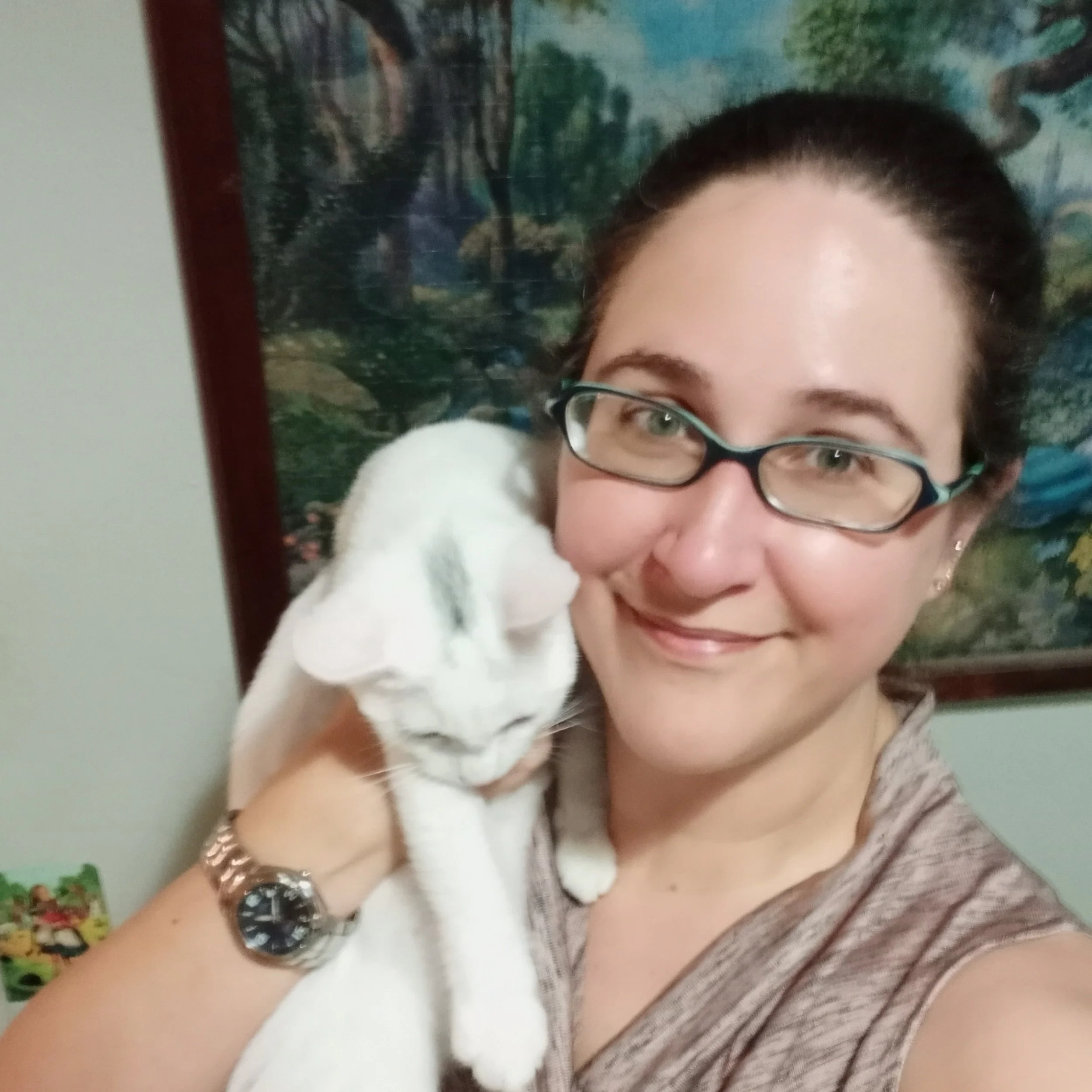
Crystal Sidell, USA, “Gre{HANSEL}tel”
Crystal Sidell is a Tampa Bay native, who grew up playing with toads in the rain and indulging in speculative fiction. A Pushcart, Best of the Net, Dwarf Star Nominee, and Rhysling Finalist, her work appears in 34 Orchard, 805 Lit, Apparition Lit, BFS Horizons, Sprawl Mag, and others.
What compels you to pick up a pen or open your laptop to free-write? And what inspires/influences your writing, particularly when it comes to addressing human rights issues?At this point in my life, I feel like I am always writing. As a librarian (and library card holder), I have access to an incredible variety of poetry books. I read poets of all backgrounds/regions of the world, and I find inspiration in their words. But there are also times when I feel compelled to write—when penning a poem is more than just an emotional outlet for myself. When I hear of anti-LGBT+ bills that are passing or crimes that have occurred against those in the queer community, I feel inspired to translate that negativity into something positive that will hopefully help to spread awareness.
Make it stand out
Whatever it is, the way you tell your story online can make all the difference.
Stay tuned on Instagram
Discover new stories from up-and-coming writers.
Join our movement in supporting underrepresented voices.