
Women Power — Meet the Authors (Part 2)
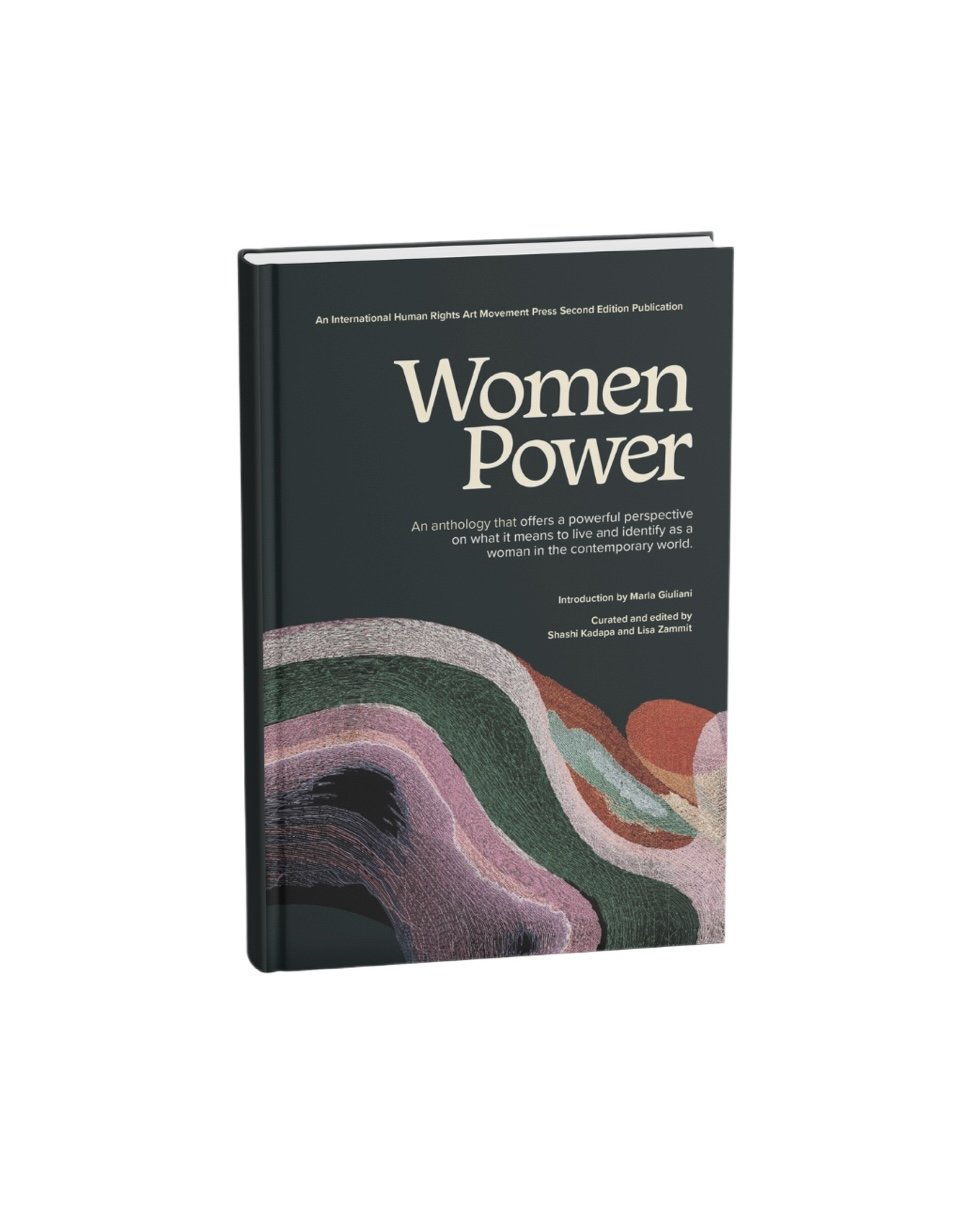
What makes them write? The writers of our latest title “Women Power,” have responded. Inside the Collective is an on-going series dedicated to revealing what inspires and influences their writing and beliefs because the IHRAM Press is dedicated to diversity, community, and representation.
Meet Aaishah and more of the authors: for them, writing is about vulnerability, equity, and resistance; stories that refuse to stay silent.
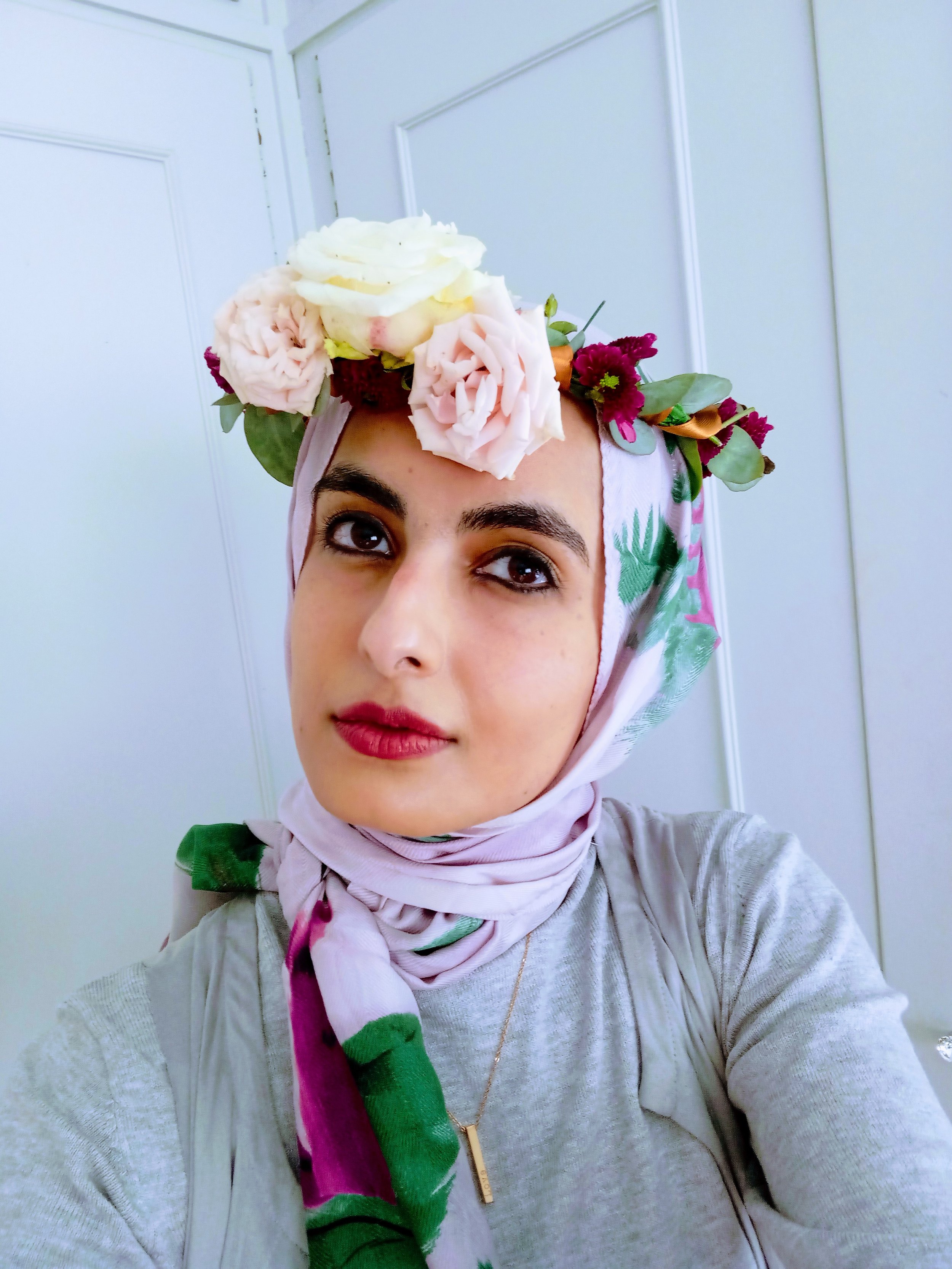
Aaishah Mayet, South Africa, “The Kiln”
Aaishah Mayet is from Johannesburg, South Africa. She first explored writing in The Star Bring A Girl Child to Work initiative, which led to the introduction of the newspaper’s Ek Se supplement. This cemented her love for the flourishes and the power of the pen. She subsequently went on to win the 2005 University of Johannesburg’s English award. She currently works in the Healthcare sector which, for her, has bridged the frontiers of our shared human experience through its proximity to the narratives of those from all socio-economic and linguistic lived experiences. As a self-confessed bibliophile of many years, literature remains her teacher and her sanctuary. Her works include "Haiku," published in the Lotosblute, as well as poetry published by Agbowo, Praxis, Poetry Potion, Active Muse, The Brittle Paper, The Lote Tree Press, and Amaliah.
What compels you to pick up a pen or open your laptop to free-write? And what inspires/influences your writing, particularly when it comes to addressing human rights issues? There is a beautiful intimacy between pen and paper. The act of writing becomes a liberation of innermost turmoil in a world so loud that the silence is thick with words. Human suffering is ubiquitous and most imposed by man-made acts of omission or commission which makes it all the more frustrating. When the collective writes and speaks to express this, words can claim power in action.
How does your intersectionality influence your view of the world (your personal beliefs, gender expression, religious affiliations, etc.)?Religion has played a sacred role in engendering a sense of empathy and consideration for humanity and the earth and also a sense of optimism. We were encouraged early on to plant the seeds in our hands even if it appeared that the world was ending. There is definitely a strong focus to just keep doing good wherever you find yourself.
Make it stand out
Whatever it is, the way you tell your story online can make all the difference.
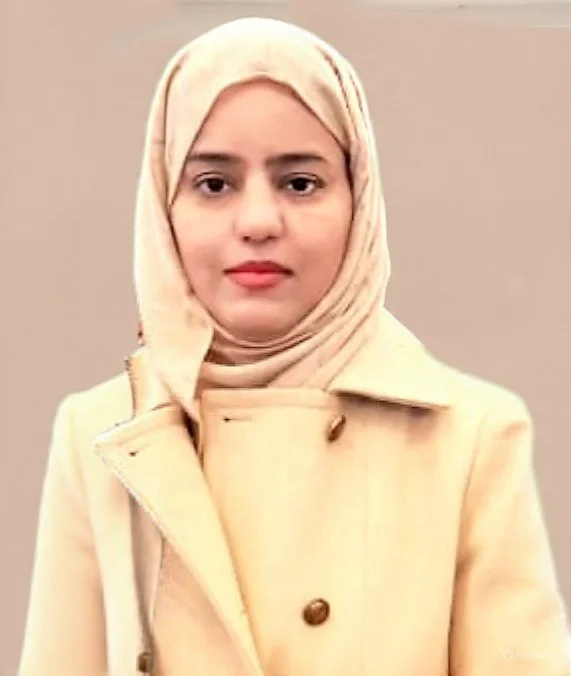
Bushra Haq, Pakistan, “An Invincible Soul”
Bushra Haq is from Lahore, Pakistan, an underdeveloped country of Asia. She is a primary school teacher, having taught at different institutions in Pakistan. She currently teaches at home and has written several books about the latest primary curriculum for children across schools from around the world. She dedicates herself to humanitarian issues, having ambitions to accurately represent women from underdeveloped countries, as well as pursuing her interests in poetry and creative writing. She holds the conviction that cultivating the minds of girls lifts the standing community. She advocates for equal rights and justice for women in underdeveloped countries.
What compels you to pick up a pen or open your laptop to free-write? And what inspires/influences your writing, particularly when it comes to addressing human rights issues?This is a very interesting question. Writing has been my innate passion since my childhood. Being a sensitive girl, I always write, whether it's a story, a poem, or a long diary routine. Gradually being a girl, I realized that in a male-dominant society, I had to face many deprivations, restrictive norms and marginalization, which altered my perspective. I want to see myself standing apart from male dominance. I struggled to educate myself and started to empower the girls around me to forge their own independent identities. It is really a difficult vision to inculcate in a society and community in our country where women often live in the shadow of male figures. However, I got an opportunity to write internationally only because of IHRAM. And now I am quite satisfied and happy that finally I found a platform to amplify my message—knowing my voice reaches the furthest corners of the world where still women are facing male dominance and strive for freedom.
How does your intersectionality influence your view of the world (your personal beliefs, gender expression, religious affiliations, etc.)?When I reflect on my personal beliefs, my expression, and my religious affiliation, they are apparently not different but rather deeply interconnected. Every belief system and faith globally advocates for the core principles of humanity, compassion, and mutual respect. They guide us on how to spread the message of peace by honoring each other’s differences. And I hold a positive perspective in my writings; I strive to carry this spirit of peace forward for the generations to come.
Make it stand out
Whatever it is, the way you tell your story online can make all the difference.
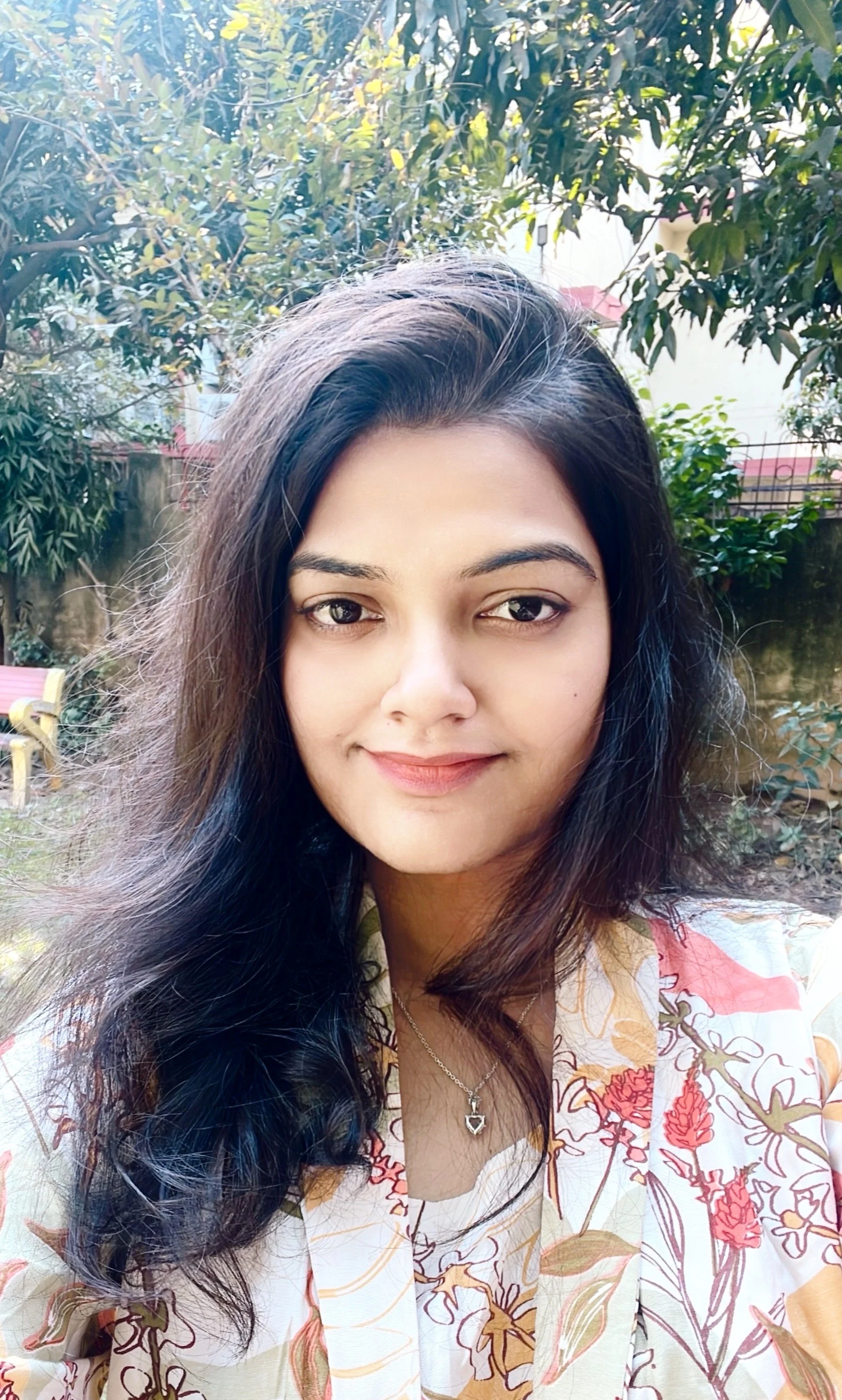
Nidhi Agrawal, India, "Rooh”
Nidhi Agrawal was raised in India and she focuses on emotional and physical trauma in her poetry. She believes poetry is a source of joy, pain, and wonder, helping her navigate life. Her work reflects her own experiences with intense trauma from a medical condition. Nidhi’s writings have been featured by Laurel Review, Project Muse, Hobart Book, University of Illinois at Chicago, BYU College of Humanities, The University of Pennsylvania, University of California, Riverside, California State Poetry Society, Yale University, Setu Journal, and many others. She authored “Confluence” and contributed to “Suicide Volume 2” Poetry Collection and “Anodyne.”
What compels you to pick up a pen or open your laptop to free-write? And what inspires/influences your writing, particularly when it comes to addressing human rights issues?The drive to pick up a pen or open a laptop often stems from the need to bridge the gap between the internal world of feeling and the external world of action. When it comes to human rights, I am influenced by the quiet resilience of the overlooked—the way dignity persists even in the dark. I’ve learned that you don’t need to scream to be heard; sometimes, the most profound truths are whispered.
Power isn’t loud, it is silent. When you know what to say and when not to say it—the impact becomes massive.
It is in the restraint, the deliberate choice of a single word over a thousand, where the heart truly breaks and mends. I write to honor that silence, making sure that when I do speak, the echo lasts.
Make it stand out
Whatever it is, the way you tell your story online can make all the difference.
Stay tuned on Instagram
Discover new stories from up-and-coming writers.
Join our movement in supporting underrepresented voices.